bluename
 How to Identify Aloe Varieties and Master Care Differences for Aloe Vera and Aloe aristata
If you’ve ever stood in a garden center staring at a shelf of spiky, green plants labeled “aloe” and wondered how to tell them apart, you’re not alone. Aloe is a large genus with over 500 species, but only a handful are common in homes and gardens. Two of the most popular types are Aloe vera (also called Aloe barbadensis miller, often known as 库拉索芦荟 in Chinese) and Aloe aristata (commonly called 不夜城芦荟). Learning to identify these varieties and understanding their unique care needs will help your aloe plants thrive.
Key Ways to Identify Common Aloe Varieties
Identifying aloe varieties doesn’t require expert knowledge—you just need to look for specific physical traits and growth habits. Here are the most reliable clues to tell different aloes apart, with a focus on distinguishing Aloe vera from Aloe aristata.
1. Leaf Appearance: Shape, Color, and Texture
Leaves are the easiest part of an aloe plant to observe, and they vary widely between species.
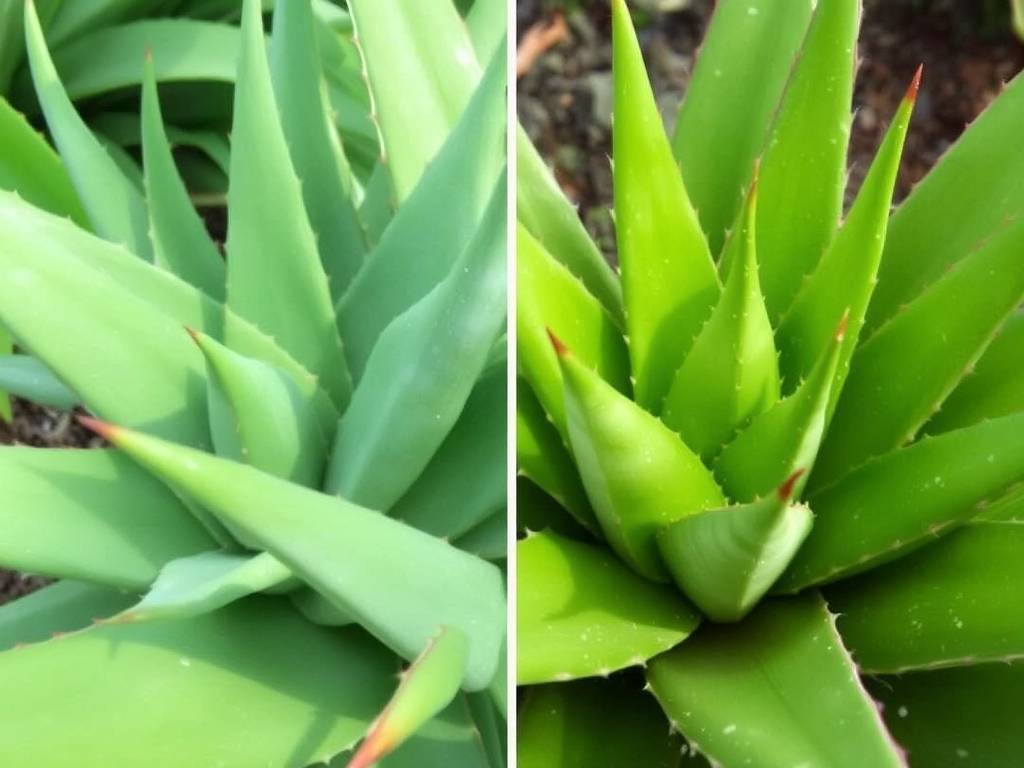
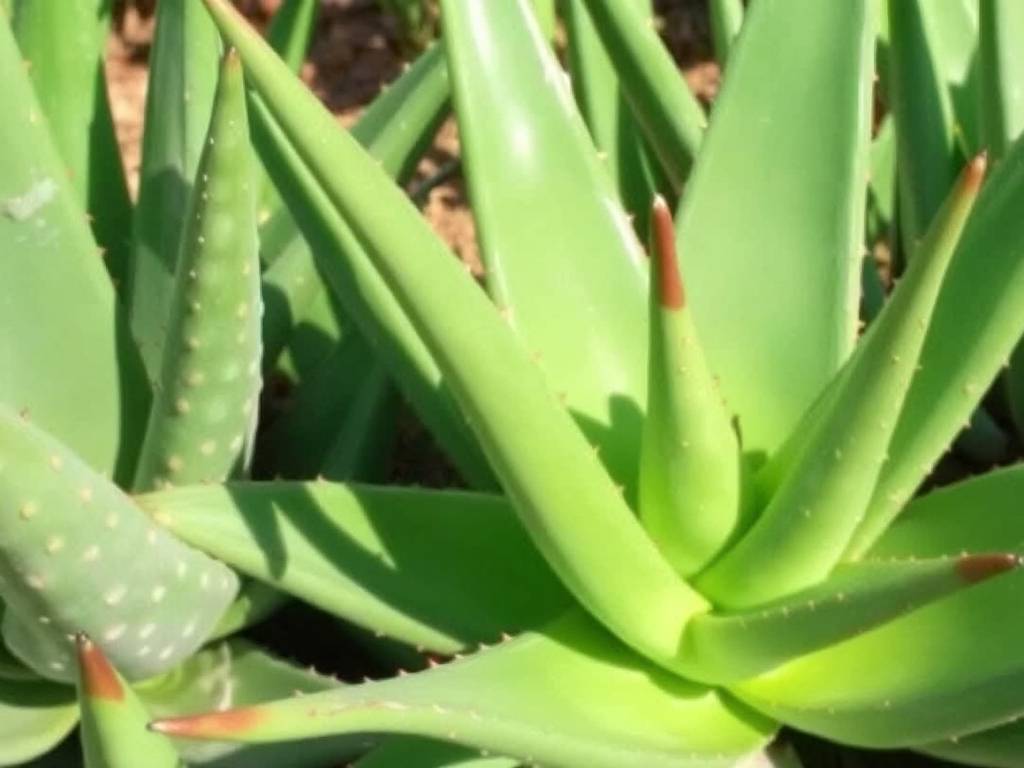
For Aloe vera, the leaves are thick, fleshy, and elongated—think of them as long, pointed swords. They grow in a rosette (a circular cluster) at the base of the plant, and mature leaves can reach 12 to 18 inches long. The color is a bright, pale green, and you’ll often see small, soft white spots along the outer edges of young leaves (these spots fade as the plant matures). The edges of Aloe vera leaves are lined with tiny, tooth-like spines that are sharp but not dangerous—you can gently run your finger along them without getting pricked easily.
Aloe aristata, on the other hand, has much smaller, more compact leaves. They rarely grow longer than 6 inches, and they’re narrower than Aloe vera leaves. The color is a deeper green, sometimes with a slightly blue or gray tint. One of the most distinct features of Aloe aristata is the dense covering of white, hair-like spines (called “cilia”) along the leaf edges and even on the leaf surface. These spines give the plant a fuzzy, soft look—unlike the smooth, sleek leaves of Aloe vera. You’ll also notice that Aloe aristata leaves curve slightly inward, giving the rosette a tighter, more rounded shape.
2. Growth Habit and Size
How an aloe plant grows and how big it gets are also key identification tools.
Aloe vera is a fast-growing, upright plant. As it matures, it can develop a short, thick stem (though young plants are stemless), and the rosette can spread up to 2 feet wide. In ideal conditions, it may even send up a tall flower stalk (up to 3 feet high) with orange or yellow tubular flowers in the summer. This larger size makes Aloe vera a statement plant for floors or large windowsills.
Aloe aristata is a slow-growing, compact plant. It stays low to the ground, with rosettes that rarely exceed 8 inches in diameter. It also produces offsets (small “baby” plants) around the base, which helps it form small clusters over time. Unlike Aloe vera, Aloe aristata’s flower stalks are shorter (usually 1 to 2 feet tall) and bear red or pink flowers. Its small size makes it perfect for small pots, tabletops, or succulent arrangements.
3. Gel Content (a Practical Clue)
While you shouldn’t cut into a plant just to identify it, if you already have an aloe and want to confirm its type, the gel inside the leaves is a useful clue.
Aloe vera is famous for its thick, clear, jelly-like gel. When you slice a leaf open, this gel oozes out easily and is abundant—this is the gel used in skincare and for minor burns. It has a mild, fresh scent and is smooth to the touch.
Aloe aristata has gel too, but it’s much thinner and less abundant. The gel is still clear, but it’s more watery, and you’ll need to squeeze the leaf harder to get it out. It’s not typically used for the same practical purposes as Aloe vera gel, since there’s less of it and it’s not as thick.
Care Differences: Aloe Vera vs. Aloe Aristata
Once you’ve identified your aloe variety, adjusting your care routine to match its needs is crucial. While both are succulents (and thus drought-tolerant), their preferences for light, water, soil, and temperature differ slightly.
Light Requirements: Bright, But Not Too Harsh
Both aloes love light, but they have different tolerances for direct sun.
Aloe vera thrives in bright, indirect sunlight. It can handle 2 to 3 hours of morning direct sun (which helps it grow strong and maintain its green color), but intense afternoon sun (especially in hot climates) can scorch its leaves. If you notice brown, dry patches on the leaves, it’s a sign the plant is getting too much sun. Place it near a south or west-facing window with a sheer curtain, or outdoors in a spot with dappled shade.
Aloe aristata is more tolerant of direct sun, but it still needs protection from extreme heat. It can handle 4 to 5 hours of direct sun per day, especially in cooler climates. However, in hot summer months (temperatures above 90°F/32°C), even Aloe aristata can get sunburned. If you keep it outdoors, move it to a shaded area during the hottest part of the day. Indoors, a south-facing window without a curtain works well—just keep an eye on the leaves for signs of stress.
Watering: Let the Soil Dry Out Completely
Overwatering is the number one killer of aloe plants, but the frequency of watering still varies between the two varieties.
For Aloe vera, water thoroughly when the top 2 to 3 inches of soil are completely dry. In the summer (growing season), this usually means watering every 2 to 3 weeks. In the winter (dormant season), the plant grows slower, so you can cut back to watering every 4 to 6 weeks. Always pour water at the base of the plant (avoid getting water on the leaves, which can cause rot) and make sure the pot has drainage holes to let excess water escape.
Aloe aristata needs even less water than Aloe vera, thanks to its smaller size and thicker leaf spines (which help retain moisture). Wait until the entire pot of soil is completely dry before watering—this can take 3 to 4 weeks in the summer and 6 to 8 weeks in the winter. If you’re unsure if the soil is dry, stick your finger 3 inches into the soil; if it feels dry all the way down, it’s time to water. Overwatering Aloe aristata leads to root rot quickly, so err on the side of underwatering.
Soil: Well-Draining is Non-Negotiable
Both aloes need soil that drains quickly, but the exact mix can be slightly different.
Aloe vera does best in a commercial cactus or succulent potting mix, but you can improve drainage by adding 1 part perlite or coarse sand to 2 parts potting mix. This ensures that water doesn’t sit around the roots. Avoid using regular potting soil, which holds too much moisture and can cause root rot.
Aloe aristata prefers a gritter soil mix. Use 1 part cactus potting mix, 1 part perlite, and 1 part coarse sand. This extra grit helps the soil dry out even faster, which matches Aloe aristata’s lower moisture needs. You can also add a small amount of pumice to the mix for extra drainage.
Temperature and Humidity: Warm, Dry Conditions
Aloes are tropical plants, so they don’t like cold temperatures, but their cold tolerance differs a bit.
Aloe vera can handle temperatures as low as 50°F (10°C) for short periods, but it grows best in temperatures between 65°F and 80°F (18°C and 27°C). If the temperature drops below 50°F, move it indoors—prolonged exposure to cold will damage the leaves. It also prefers low humidity (30% to 50%), which is typical of most indoor environments. Avoid placing it in humid areas like bathrooms, as excess moisture can lead to leaf rot.
Aloe aristata is slightly more cold-tolerant. It can survive temperatures down to 40°F (4°C) for a few days, but it still shouldn’t be exposed to frost. Its ideal temperature range is the same as Aloe vera’s (65°F to 80°F/18°C to 27°C). Like Aloe vera, it thrives in low humidity—high humidity can make its fuzzy spines look limp and lead to fungal issues.
Fertilizing: Light Feeding Only
Neither aloe needs much fertilizer, but they benefit from a small amount during the growing season.
Aloe vera can be fertilized once a month from April to September (growing season) with a diluted, balanced liquid fertilizer (like a 10-10-10 formula). Dilute the fertilizer to half the strength recommended on the label—too much fertilizer can burn the roots. Don’t fertilize in the winter, when the plant is dormant.
Aloe aristata needs even less fertilizer. Fertilize it once every 2 months from April to September with a diluted cactus fertilizer (which has a lower nitrogen content). Dilute it to a quarter of the recommended strength—Aloe aristata is sensitive to fertilizer, and overfeeding can cause leaf discoloration. Skip fertilizing in the winter.
Repotting: When to Move to a Larger Pot
Knowing when to repot your aloe helps it grow healthily.
Aloe vera grows faster than Aloe aristata, so it needs repotting every 1 to 2 years. Look for signs that it’s root-bound: roots growing out of the drainage holes, the plant tipping over easily, or slow growth. Choose a pot that’s 1 to 2 inches larger in diameter than the current pot (too large a pot holds too much soil, which stays wet longer). Repot in the spring, when the plant is starting to grow actively.
Aloe aristata grows slowly, so it only needs repotting every 2 to 3 years. It’s also more likely to produce offsets, so when you repot, you can separate the offsets (with their own roots) and plant them in new pots. Use a pot that’s just 1 inch larger than the current one—Aloe aristata likes to be slightly root-bound. Repot in the spring, and wait a week before watering to let the roots settle.
Troubleshooting Common Issues for Both Varieties
Even with the right care, aloe plants can run into problems. Here’s how to fix issues that affect both Aloe vera and Aloe aristata.
Yellow Leaves: A Sign of Overwatering
If your aloe’s leaves turn yellow and mushy, it’s almost always from overwatering. For Aloe vera, stop watering immediately and check the roots—if they’re brown and soft (rot), gently remove the plant from the pot, cut off the rotten roots with clean scissors, and repot in fresh, dry soil. For Aloe aristata, the fix is similar, but be extra careful with the roots (they’re smaller and more delicate). After repotting, wait 2 weeks before watering to let the roots heal.
Brown Leaf Tips: Too Much Sun or Dry Air
Brown, crispy leaf tips usually mean the plant is getting too much direct sun or the air is too dry. For Aloe vera, move it to a spot with less direct sun and mist the leaves lightly once a week (avoid misting the center of the rosette). For Aloe aristata, reduce sun exposure and place a tray of water and pebbles near the plant (the water evaporates to add a little humidity, but don’t let the pot sit in water).
Slow Growth: Not Enough Light or Nutrients
If your aloe isn’t growing, it’s probably not getting enough light. Move Aloe vera to a brighter spot with more indirect sun, and Aloe aristata to a spot with a bit more direct sun. If light isn’t the issue, try fertilizing once with a diluted fertilizer (following the guidelines above)—but don’t overdo it, as too much fertilizer can slow growth too.
Pests: Mealybugs and Scale
Both aloes can get mealybugs (small, white, fuzzy insects) or scale (brown, hard bumps) on the leaves or along the stems. Wipe mealybugs off with a cotton swab dipped in rubbing alcohol. For scale, scrape them off with a soft brush, then wipe the leaves with a mixture of water and a few drops of dish soap. Repeat every week until the pests are gone.