bluename
 How to Choose Aloe Vera Pots: Key Points for Selecting Suitable Containers (Hydroponic/Soil-Based)
Understanding Aloe Vera’s Container Needs: The Basics
1. Soil-Based Aloe Vera Pots: Key Selection Criteria
1.1 Pot Material: Which Ones Work Best?
Terracotta (Clay) Pots
Porosity prevents overwatering by speeding up soil drying.
Heavy enough to keep mature aloe plants stable (aloe’s thick leaves can make it top-heavy).
Natural, earthy appearance that complements aloe’s green foliage.
Can dry out soil too quickly in hot, dry environments—you may need to water slightly more often.
Susceptible to cracking if exposed to freezing temperatures (keep them away from cold windows in winter).
May develop mineral deposits (white crust) on the outside over time—this is harmless but can be wiped off with a damp cloth if desired.
Ceramic Pots (Glazed)
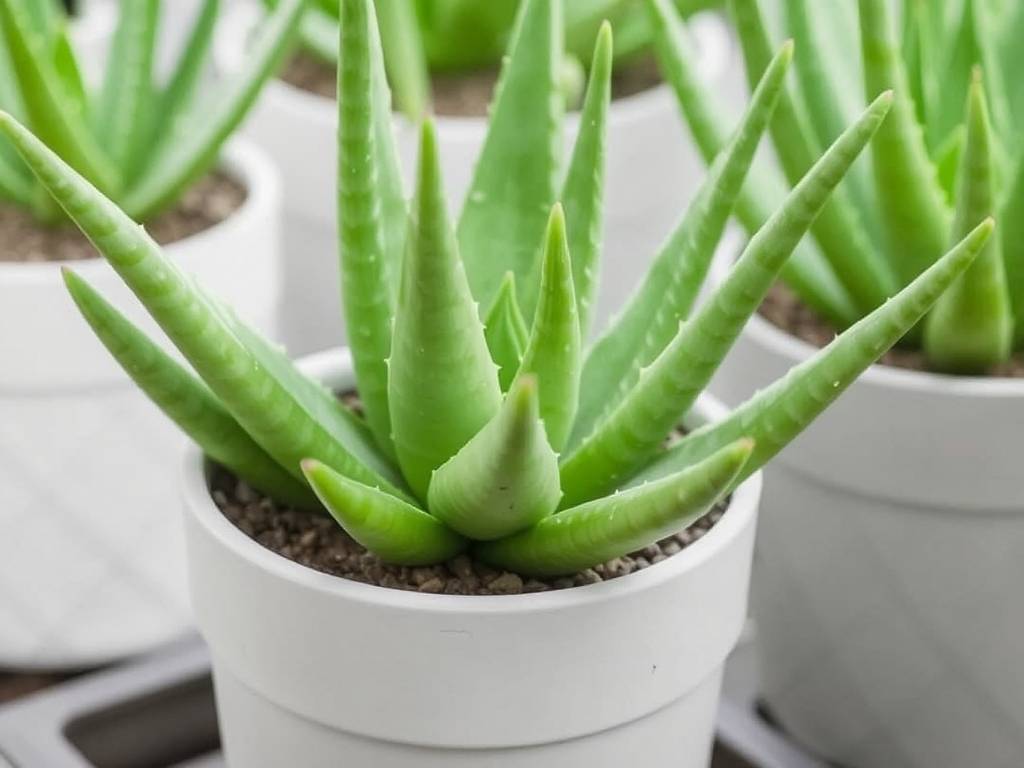
Stylish and versatile—easy to match with any home decor.
More durable than terracotta and resistant to cracking.
Smooth surface is easy to clean (no mineral deposits seep through).
Poor porosity means soil stays wet longer—risk of root rot is higher if you overwater.
Heavy, which can make repotting difficult (especially for large aloe plants).
More expensive than terracotta or plastic.
Plastic Pots
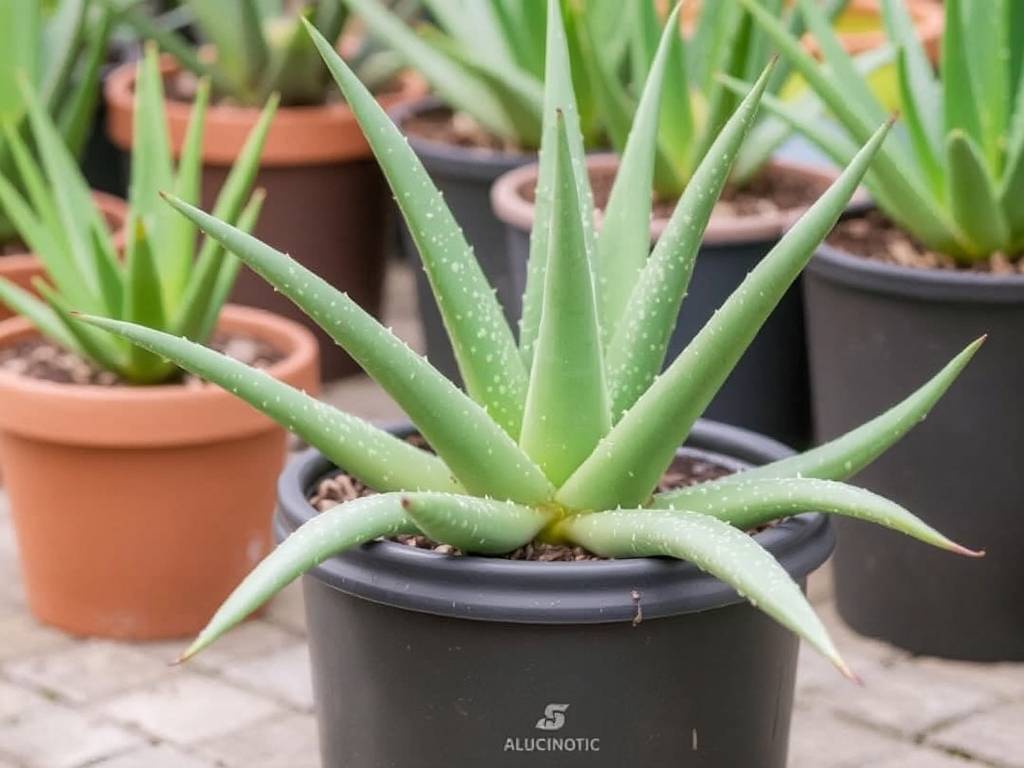
Lightweight—easy to move around (great if you need to adjust light exposure).
Inexpensive—ideal for propagating multiple aloe pups.
Durable and shatterproof—safe for homes with kids or pets.
Non-porous, so soil dries slowly—overwatering is a common issue.
Can become brittle over time if exposed to direct sunlight (the plastic may crack or fade).
May not provide enough stability for large, mature aloe plants (they can tip over easily).
Concrete or Stone Pots
Extremely durable—can last for years outdoors (if you move aloe outside in summer) or indoors.
Heavy enough to support large aloe plants without tipping.
Porous enough to prevent waterlogging (but not as fast-drying as terracotta).
Very heavy—difficult to move once filled with soil and plant.
Expensive compared to other materials.
May leach minerals into the soil over time (test with a small plant first if you’re concerned).
1.2 Drainage: The Most Important Feature
Number of holes: Aim for at least 1–2 drainage holes in the bottom of the pot. For larger pots (10 inches or more), 3–4 holes will help water escape more efficiently.
Size of holes: Holes should be ¼–½ inch in diameter—small enough to prevent soil from falling out, but large enough to let water flow freely.
Saucer compatibility: Choose a pot that fits with a saucer (to catch excess water). Empty the saucer within 30 minutes of watering—never let the pot sit in standing water.
1.3 Size: Matching the Pot to Your Aloe’s Growth Stage
For aloe pups (2–3 inches tall): Choose a pot that’s 3–4 inches in diameter. This gives the young roots just enough room to grow without overwhelming them.
For medium aloe plants (6–8 inches tall): A pot that’s 6–8 inches in diameter is ideal. If the plant is root-bound (roots are circling the bottom of its current pot), go up 1–2 inches in diameter—no more.
For mature aloe plants (10+ inches tall): A pot that’s 10–12 inches in diameter will work. Mature aloe can handle a bit more space, but avoid pots larger than 14 inches unless the plant is very large (18+ inches tall).
1.4 Additional Features for Soil-Based Pots
Wide rim: A pot with a wide rim makes it easier to add or remove soil when repotting, and it prevents water from spilling over the sides when you water.
Light color: Light-colored pots (white, beige, light gray) reflect sunlight, which helps keep the soil cool in hot weather. Dark-colored pots absorb heat, which can dry out soil too quickly or damage roots in direct sunlight.
Thick walls: Thick-walled pots (especially terracotta or ceramic) insulate roots better—they keep roots cool in summer and warm in winter, which is helpful for aloe’s temperature preferences.
2. Hydroponic Aloe Vera Containers: Special Considerations
2.1 What Is Hydroponic Aloe Vera?
2.2 Types of Hydroponic Containers for Aloe Vera
Glass Jars or Vases
Choose a jar that’s 6–8 inches tall (for medium aloe) or 4–5 inches tall (for pups). The diameter should be slightly larger than the plant’s base to keep it stable.
Place a layer of pebbles, gravel, or clay pebbles at the bottom of the jar—this helps anchor the plant and keeps the base above water.
Set the aloe in the jar so that the roots hang down into the water, but the base of the leaves is above the pebbles (and water line).
Fill the jar with water (room-temperature, filtered water is best) until the roots are ½–¾ submerged. Don’t submerge the entire root system—aloe roots need oxygen to breathe.
Transparent, so you can monitor root health and water levels.
Easy to clean—just rinse with warm water every time you change the water.
Stylish and modern—looks great on windowsills or shelves.
Clear glass can allow algae growth if placed in direct sunlight—algae can compete with aloe for nutrients, so keep the jar in indirect light.
Heavy when filled with water—risk of tipping if the jar is too tall or the plant is top-heavy.
Plastic Hydroponic Pots with Reservoirs
Choose a hydroponic pot that’s 1–2 inches larger than the aloe’s root ball (same size guidelines as soil-based pots).
Place the aloe in the upper compartment, and fill the lower reservoir with water and a diluted succulent nutrient solution (follow the package instructions for strength—aloe is sensitive to strong nutrients).
Ensure the roots reach down into the reservoir, but the base of the plant stays dry. Most hydroponic pots have a water level indicator, so you can easily check when to refill.
Designed for hydroponic growing—reduces the risk of overwatering or root rot.
Some models have built-in filters to prevent algae growth.
Convenient—you don’t need to water as often (reservoirs can last 1–2 weeks).
More expensive than glass jars or soil-based pots.
Less transparent—you can’t see the roots, so you need to check the water level indicator regularly.
May be harder to clean than glass jars—reservoirs can develop mineral deposits over time.
Ceramic Hydroponic Containers
Follow the same steps as plastic hydroponic pots—fill the reservoir with water and nutrients, and place the aloe in the upper compartment so roots reach the water.
Choose a ceramic container with a drainage plug in the reservoir—this makes it easy to empty and refill without moving the plant.
Stylish and durable—more aesthetically pleasing than plastic.
Non-porous, so water doesn’t seep out (unlike terracotta).
Heavy enough to keep aloe stable.
Expensive—often more costly than plastic hydroponic pots.
No transparency—you can’t monitor root health, so you need to be extra careful with water changes.
Reservoirs may be smaller than plastic models—you’ll need to refill more often.
2.3 Key Features for Hydroponic Containers
Stability: The container should be heavy enough to support the aloe’s leaves—top-heavy plants can tip over if the container is too light.
Oxygen flow: Look for containers with small holes or vents in the reservoir—this allows oxygen to reach the roots, which is crucial for preventing rot.
Easy to clean: Hydroponic containers need to be cleaned every 2–3 weeks (to prevent algae and bacteria growth), so choose one that’s easy to disassemble or rinse.
Water level control: A container with a marked water line or indicator helps you avoid oversubmerging the roots—this is especially important for beginners.
2.4 Hydroponic Aloe Care Tips (Container-Related)
Change the water every 1–2 weeks: Stagnant water can lead to bacterial growth or root rot. Use room-temperature, filtered water (tap water can have chlorine that harms roots).
Add nutrients sparingly: Use a diluted succulent nutrient solution once a month during the growing season (spring/summer). Avoid fertilizing in winter—aloe is dormant and won’t use the nutrients.
Clean the container regularly: Wipe the inside of the container with a soft cloth (or brush for hard-to-reach spots) to remove algae or mineral deposits.
Monitor root health: If roots turn brown or mushy, remove the plant from the container, trim off the rotting roots, and refill with fresh water.
3. Common Mistakes to Avoid When Choosing Aloe Vera Pots
Mistake 1: Choosing a Pot Without Drainage Holes
Mistake 2: Using a Pot That’s Too Large
Mistake 3: Ignoring Material for Aesthetic
Mistake 4: Overlooking Saucer Size for Soil-Based Pots
Mistake 5: Using the Wrong Container for Hydroponic Aloe
4. Seasonal Adjustments for Aloe Vera Pots
Spring and Summer: Managing Heat and Growth
Soil-based pots: If you’re using a terracotta pot (which dries quickly), check the soil more often—you may need to water every 2 weeks instead of 3. Avoid placing dark-colored pots in direct sunlight, as they’ll heat up the soil and stress roots.
Hydroponic containers: Increase water changes to once a week (warmer water breeds bacteria faster). Keep the container in indirect light to prevent algae growth—if algae does appear, scrub the inside of the jar with a soft brush and refill with fresh water.
Fall and Winter: Preventing Cold Damage and Overwatering
Soil-based pots: Move terracotta pots away from cold windows—terracotta conducts cold, which can damage roots. If you’re using a plastic pot, add a layer of insulation (like a towel or foam sleeve) around the pot to keep roots warm. Reduce watering frequency, and make sure the saucer is emptied immediately to prevent cold, standing water.
Hydroponic containers: Use room-temperature water (never cold) and reduce water changes to once every 2 weeks (since the plant uses less water). Keep the container away from heaters—dry, hot air can cause the plant’s leaves to dry out.
5. How to Clean and Maintain Aloe Vera Pots
Cleaning Soil-Based Pots
Terracotta pots: Soak the pot in warm water for 30 minutes to loosen soil and mineral deposits. Scrub the inside and outside with a soft brush (avoid steel wool, which scratches the surface). If mineral deposits are stubborn, mix equal parts white vinegar and water, soak the pot for an hour, then scrub. Rinse thoroughly and let the pot dry completely before reuse (terracotta absorbs moisture, which can lead to rot if wet when repotting).
Ceramic or plastic pots: Wash with warm, soapy water and a sponge. For glazed ceramic, avoid abrasive cleaners—they’ll scratch the glaze. For plastic pots, wipe with a cloth dipped in hydrogen peroxide to kill bacteria, then rinse. Dry completely before repotting.
Cleaning Hydroponic Containers
Glass jars: Empty the water and remove the pebbles. Rinse the jar with warm water and a drop of dish soap (avoid harsh detergents). Use a bottle brush to clean the inside (especially if algae is present). Rinse the pebbles in warm water, then soak them in a 10% bleach solution for 10 minutes (to kill bacteria) before rinsing again. Let the jar and pebbles dry completely before refilling with water.
Commercial hydro pots: Disassemble the pot (reservoir, upper compartment, wick) and wash each part with warm, soapy water. Use a small brush to clean the reservoir’s water level indicator (mineral deposits can clog it). Rinse thoroughly and let all parts dry before reassembling.
Maintaining Pot Durability
Terracotta pots: Avoid dropping or exposing to freezing temperatures (they’ll crack). If a pot develops a small crack, seal it with waterproof silicone caulk—this extends its life for a few more years.
Plastic pots: Keep away from direct sunlight (they’ll fade and become brittle). If a pot cracks, replace it—cracks can lead to soil leakage and root exposure.
Ceramic pots: Handle with care—they chip easily. If a pot chips, use epoxy glue to fix small chips (avoid using it on the inside, as glue can leach into soil).
6. Final Checklist for Choosing the Perfect Aloe Vera Pot
For Soil-Based Aloe:
Material: Terracotta (best for beginners), ceramic (stylish), plastic (affordable), or concrete (durable)
Drainage: At least 1–2 holes in the bottom (¼–½ inch diameter)
Size: 1–2 inches larger than the root ball (3–4 inches for pups, 6–8 inches for medium plants, 10–12 inches for mature plants)
Saucer: 1–2 inches larger than the pot to catch excess water
Extras: Wide rim (easy to repot), light color (reflects heat), thick walls (insulates roots)
For Hydroponic Aloe:
Type: Glass jar (transparent, affordable), commercial hydro pot (convenient), or ceramic hydro container (stylish)
Stability: Has a way to anchor the plant (pebbles, built-in support)
Water Control: Lets roots be ½–¾ submerged (not fully) and has oxygen flow (vents, open top)
Cleanability: Easy to disassemble or scrub (no hard-to-reach spots)
Size: 6–8 inches tall for medium plants, 4–5 inches tall for pups (diameter slightly larger than plant base)
7. FAQs About Aloe Vera Pots
Q: Can I use a hanging pot for aloe vera?
Q: How do I know if my aloe needs a bigger pot?
Roots growing out of the drainage holes or circling the top of the soil
The plant tipping over easily (roots can’t anchor it)
Slow growth or yellowing leaves (roots don’t have space to absorb nutrients)
Soil drying out within 1–2 days of watering (roots are taking up all the space)