bluename
 How to Care for Indoor Aloe Vera: Tips for Plump, Healthy Leaves
Understanding Aloe Vera’s Natural Needs: The Foundation of Plump Leaves
1. Light: The Non-Negotiable Factor for Thick, Green Leaves
How Much Light Does Indoor Aloe Vera Need?
Signs Your Aloe Isn’t Getting Enough Light
Leaves turn pale green (instead of deep, vibrant green)
Stems stretch toward the light source
Leaves become thin and floppy
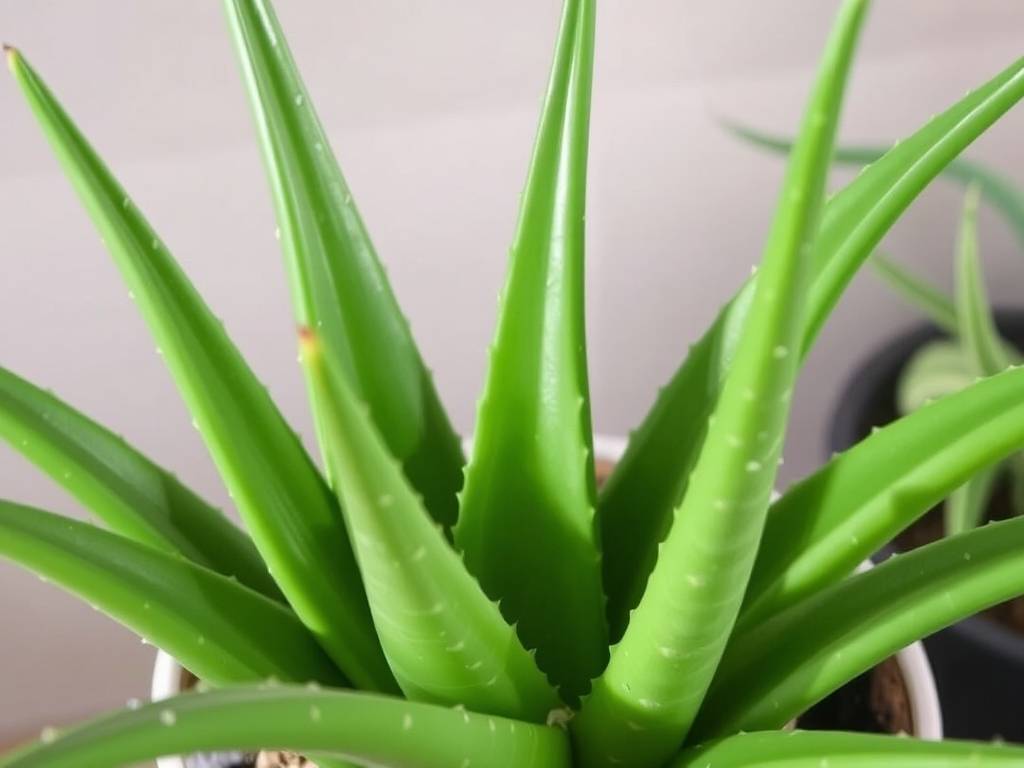
Growth slows down significantly
Fixing Light Issues
2. Watering: The Key to Avoiding Wrinkled or Rotting Leaves
How Often to Water Indoor Aloe Vera
Every 2–3 weeks in spring and summer (when the plant is actively growing)
Every 4–6 weeks in fall and winter (when growth slows down)
How to Water Aloe Vera Correctly
Signs of Overwatering vs. Underwatering
Overwatering: Leaves feel soft, mushy, and may turn brown or yellow at the base. The soil smells sour, and the roots may look black and slimy if you check them.
Underwatering: Leaves are wrinkled, shriveled, and feel thin. The soil is rock-hard, and the plant may look wilted.
Fixing Watering Issues
For overwatering: Stop watering immediately. If the pot has drainage holes, move it to a brighter, more ventilated spot to help the soil dry faster. If the rot is severe, gently remove the plant from the pot, trim off any black or mushy roots (use clean, sharp scissors), and repot it in fresh, well-draining soil.
For underwatering: Water the plant thoroughly, allowing the water to soak the root ball. It may take a few hours for the leaves to plump up again as the plant absorbs the water.
3. Soil: Choosing the Right Mix for Healthy Roots and Plump Leaves
The Best Soil Mix for Indoor Aloe Vera
2 parts potting soil (use a lightweight, well-aerated mix, not garden soil)
1 part perlite or pumice (to improve drainage and aeration)
1 part coarse sand (like horticultural sand, not beach sand—beach sand can contain salt and clog pores)
How to Repot Aloe Vera (When Needed)
Gently remove the plant from its current pot. If it’s stuck, tap the sides of the pot or run a knife around the edge to loosen the soil.
Shake off excess soil from the roots and check for any rotting or dead roots (trim them off with clean scissors if needed).
Choose a new pot that’s 1–2 inches larger in diameter than the old one. Make sure the pot has drainage holes—terracotta pots are a great choice because they’re porous and help the soil dry out faster.
Fill the bottom of the new pot with 1–2 inches of the succulent soil mix.
Place the aloe plant in the pot, making sure the base of the leaves is slightly above the soil line (burying the leaves can cause rot).
Fill in the sides with more soil, gently pressing it down to remove air pockets.
Water the plant lightly to settle the soil, then wait until the soil is completely dry before watering again.
4. Temperature and Humidity: Keeping Aloe Comfortable
Ideal Temperature for Indoor Aloe Vera
Humidity: How Much Is Too Much?
Place the aloe in a room with better ventilation (like a living room or bedroom instead of a bathroom).
Use a fan to circulate air around the plant.
Avoid grouping it with other plants that release a lot of moisture (like ferns or calatheas).
5. Fertilizing: Giving Aloe a Boost (But Not Too Much)
When to Fertilize Indoor Aloe Vera
What Type of Fertilizer to Use
How to Fertilize
Signs of Over-Fertilizing
6. Pruning: Keeping Aloe Neat and Encouraging New Growth
When to Prune Aloe Vera
How to Prune Aloe Vera Correctly
Dead or dying leaves: These are usually brown, wilted, or mushy. Cut them off at the base, as close to the soil as possible.
Damaged leaves: Leaves with cuts, scars, or sunburn can be trimmed—cut off the damaged part, leaving the healthy part of the leaf intact.
Overcrowded leaves: If the plant has too many leaves, it may become cramped, leading to thin growth. Remove a few of the oldest leaves (from the bottom of the rosette) to give the new leaves more space.
7. Troubleshooting Common Issues: Fixing Wilted, Discolored, or Thin Leaves
Problem 1: Wrinkled, Shriveled Leaves
If the soil is dry: Water the plant thoroughly and wait for the leaves to plump up. Adjust your watering schedule to ensure the soil doesn’t stay dry for too long.
If the soil is wet: Check for root rot (remove the plant from the pot and inspect roots). Trim off any rotting roots, repot in fresh soil, and reduce watering frequency.
Problem 2: Soft, Mushy Leaves
Stop watering immediately and move the plant to a bright, ventilated spot to dry out the soil.
If leaves are severely mushy, repot the plant: remove rotting roots, use fresh succulent soil, and choose a pot with drainage holes.
Adjust your watering schedule to let the soil dry out completely between waterings.
Problem 3: Brown Leaf Tips
If you’ve been fertilizing often: Flush the soil with water to remove excess fertilizer, and stop fertilizing for a few months.
If the soil is dry: Water the plant and adjust your watering schedule.
If humidity is low: You don’t need to mist—instead, make sure the plant is getting enough water, as its leaves store moisture.
Problem 4: Pale, Leggy Growth
Move the plant to a brighter spot (south or east window) with 4–6 hours of indirect sunlight.
Gradually acclimate the plant to more light to avoid sunburn.
If growth is very leggy, you can prune the top of the plant (leave a few leaves on the base) and propagate the cuttings (see below) to start a new, bushier plant.
Problem 5: Pests (Mealybugs, Scale, or Aphids)
Wipe the leaves with a cotton ball dipped in rubbing alcohol to kill small infestations.
For larger infestations, use a diluted insecticidal soap (follow the package instructions) and spray the leaves and soil surface.
Improve care conditions (fix watering, increase light) to help the plant recover and resist future pests.
8. Propagating Aloe Vera: Growing New Plants from Offsets
When to Propagate Aloe Vera Pups
How to Propagate Aloe Vera Pups
Gently remove the mother plant from its pot (this is easier if the soil is dry).
Carefully separate the pups from the mother plant using your hands or a clean knife. Try to keep as many roots attached to the pups as possible.
Let the pups sit in a warm, dry spot for 1–2 days to let the cut ends callus over. This step is crucial—it prevents rot when you plant the
Propagating Aloe Vera from Leaf Cuttings (Less Reliable, But Possible)
Choose a healthy, mature leaf from the mother plant (avoid young, small leaves, as they’re less likely to root). Use a clean, sharp knife to cut the leaf at its base, as close to the soil as possible.
Let the leaf cutting sit in a warm, dry spot for 3–7 days to allow the cut end to form a thick callus. The longer you let it callus, the lower the chance of rot.
Fill a small pot with succulent soil mix and moisten the soil slightly (it should be damp but not wet).
Insert the callused end of the leaf into the soil, burying it 1–2 inches deep. The leaf should stand upright or at a slight angle—if it’s too loose, you can use a small stick to prop it up.
Place the pot in a spot with bright, indirect light. Keep the soil slightly moist (but never soggy) for the first 2–3 weeks—this helps encourage root growth. After that, let the soil dry out between waterings, just like a mature aloe.
Be patient: it can take 4–8 weeks for roots to form, and even longer for a new pup to grow from the base of the cutting. If the leaf starts to shrink or turn brown, don’t worry—this is normal as it uses its stored moisture to grow roots. However, if the leaf becomes mushy, it’s a sign of rot, and you’ll need to discard it.
9. Using Aloe Vera Gel: Harvesting Without Harming the Plant
When to Harvest Aloe Vera Gel
How to Harvest Gel Safely
Choose a lower, outer leaf—these are the oldest leaves and contain the most gel. Removing outer leaves also allows the inner, younger leaves to grow more freely.
Use a clean, sharp knife to cut the leaf at its base (where it meets the soil). Avoid tearing the leaf, as this can create ragged edges that are more prone to rot.
Lay the leaf flat on a cutting board and use the knife to trim off the sharp, spiky edges along the sides.
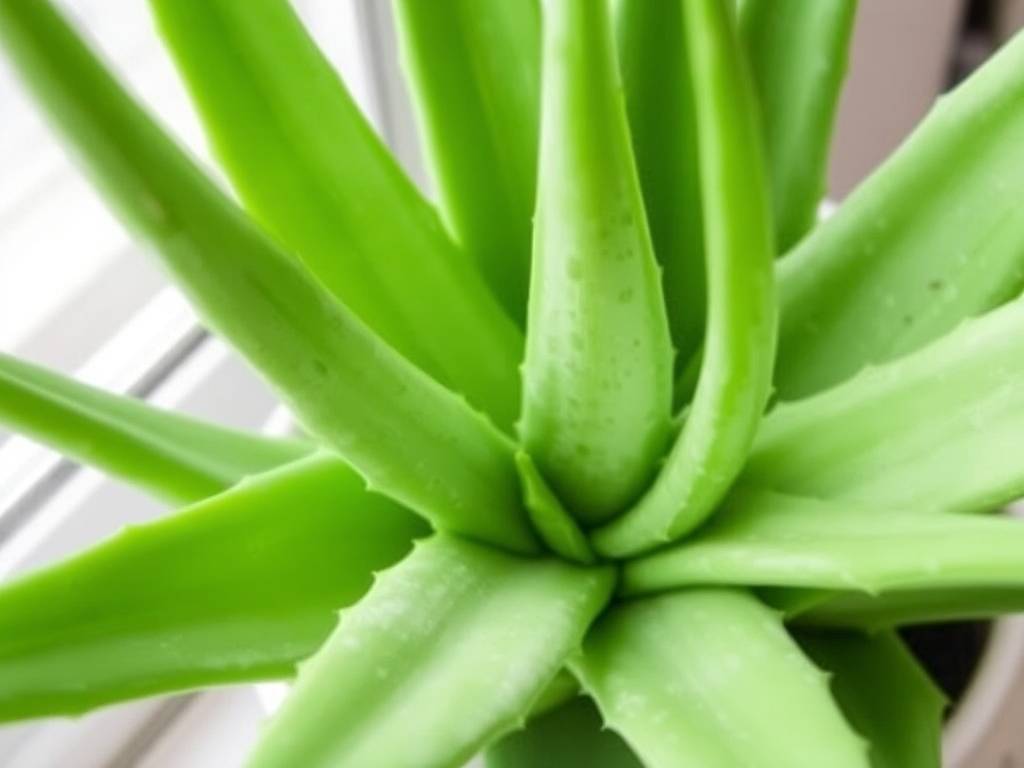
Cut the leaf open lengthwise, from the top to the base. You’ll see the clear, jelly-like gel inside.
Use a spoon or spatula to scoop out the gel—avoid scraping the green outer layer, as it contains a yellowish sap called aloin. Aloin can be irritating to the skin, especially for people with sensitive skin.
If you don’t use all the gel right away, store it in an airtight container in the refrigerator for up to 1 week. For longer storage, you can mix the gel with a few drops of vitamin E oil (to prevent oxidation) and freeze it in ice cube trays.
How to Help the Plant Recover After Harvesting
Avoid watering the plant for 1–2 days after harvesting—this gives the cut end of the plant time to dry out and reduces the risk of rot.
Keep the plant in bright, indirect light to help it photosynthesize and grow new leaves.
Do not harvest more than 1–2 leaves at a time, and wait at least 1–2 months before harvesting again. Over-harvesting can weaken the plant, leading to thin, unhealthy leaves.
10. Seasonal Care Adjustments: Keeping Aloe Healthy Year-Round
Spring: Growth Season Begins
Repot the plant if it’s root-bound (as discussed in Section 3).
Start fertilizing (once every 4–6 weeks) to support new growth.
Increase watering frequency to every 2–3 weeks, as the plant will use more moisture during growth.
Move the plant to a brighter spot if you moved it to a shadier area in winter—just remember to acclimate it gradually to avoid sunburn.
Summer: Active Growth Peak
Ensure the plant gets 4–6 hours of bright, indirect sunlight—if temperatures rise above 85°F (29°C), move it slightly away from the window to avoid overheating.
Water every 2 weeks (or whenever the soil dries out completely). Check the soil more frequently in summer, as high temperatures can cause the soil to dry out faster.
Keep the plant in a well-ventilated area to prevent the soil from staying too moist. If your home gets very hot, you can mist the air around the plant (not the leaves) to cool it down slightly.
Fall: Preparing for Dormancy
Stop fertilizing—fertilizer during dormancy can harm the roots.
Reduce watering frequency to every 3–4 weeks. The soil will dry out more slowly in cooler temperatures, so avoid overwatering.
Move the plant away from drafty windows or doors, as cold drafts can damage the leaves. If you have a south-facing window that’s not drafty, keep it there—this will give it the most light during the shorter fall days.
Winter: Dormancy Period
Water only when the soil is completely dry—this could be every 4–6 weeks, depending on your home’s temperature. Overwatering in winter is especially dangerous, as the plant isn’t using much moisture and the soil takes longer to dry.
Keep the plant in a spot with temperatures between 55–60°F (13–16°C) at night and 65–70°F (18–21°C) during the day. Avoid placing it near heaters, as dry, hot air can cause the leaves to dry out.
Ensure the plant still gets enough light—even in winter, it needs 3–4 hours of bright, indirect sunlight. If your home is dark in winter, you can use a grow light (set to 12–14 hours a day) to supplement.
Final Tips for Long-Term Aloe Vera Health
Observe the plant regularly: Check the leaves, soil, and roots (when repotting) for signs of stress, disease, or pests. Catching problems early makes them much easier to fix.
Avoid overcomplicating care: Aloe vera is a low-maintenance plant—don’t overwater, over-fertilize, or move it around too often. Consistency is key.
Be patient: If your aloe looks a little off (e.g., slightly wrinkled leaves), give it time to adjust after making care changes. It may take a few weeks for the plant to recover and start looking healthy again.
Don’t be afraid to propagate: Propagating pups not only gives you new plants but also helps the mother plant stay healthy by reducing overcrowding.