bluename
 How to Grow Aloe Vera: Key Daily Care Tips for Hydroponic and Soil-Based Methods
Understanding the Basics: Soil-Based vs. Hydroponic Aloe Vera
1. Soil-Based Aloe Vera: Daily Care Essentials
1.1 Soil Selection: The Foundation of Healthy Roots
2 parts lightweight potting soil (avoid garden soil, which can compact easily)
1 part perlite or pumice (adds air pockets to prevent compaction)
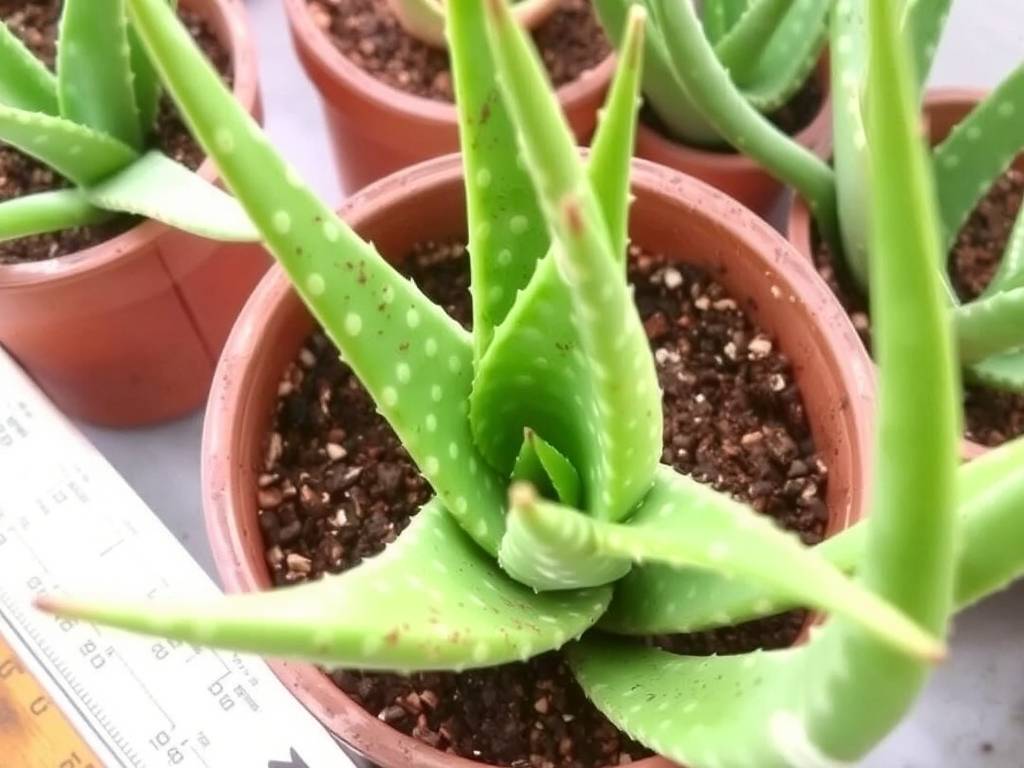
1 part coarse horticultural sand (improves drainage—never use beach sand, which contains salt)
1.2 Watering: The Most Critical Daily Care Step
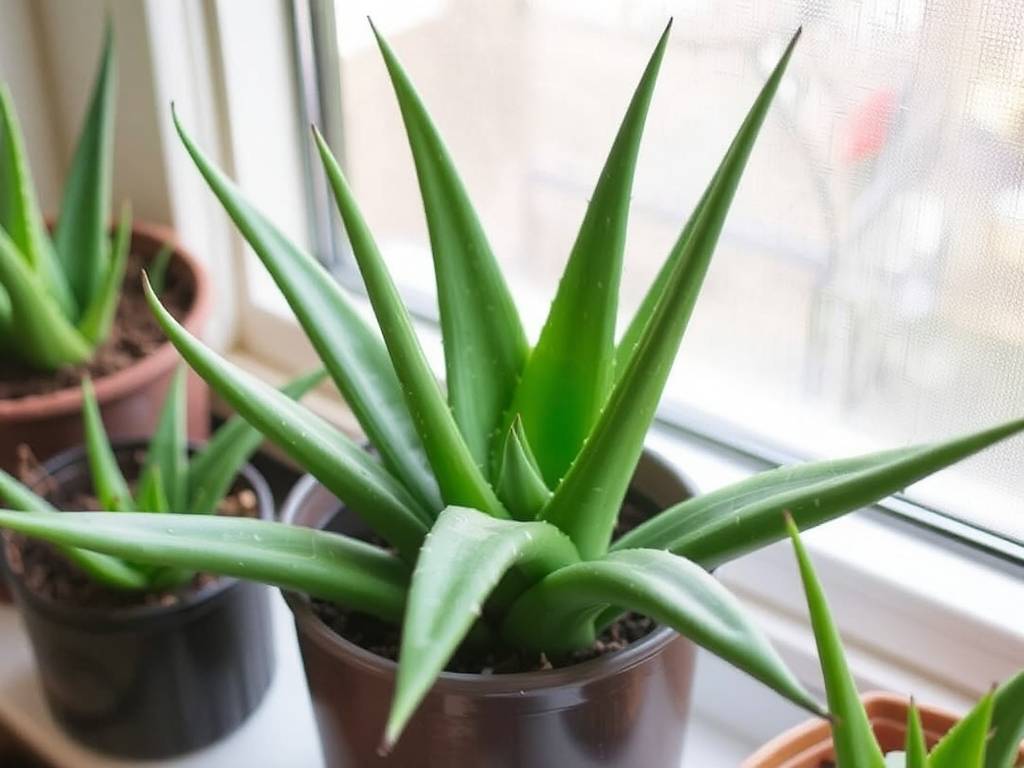
Check soil moisture first: Stick your finger 2–3 inches into the soil. If it feels dry all the way down, it’s time to water. If it’s still damp, wait 2–3 more days and check again.
Use room-temperature water: Cold water can shock aloe’s roots, leading to stress. Fill a watering can and let it sit for 30 minutes to reach room temperature before using.
Water at the base: Pour water slowly around the base of the plant, avoiding the leaves and the center of the rosette (where new leaves grow). Water left in the rosette can cause rot.
Drain excess water: After watering, empty the saucer under the pot within 30 minutes. Never let the pot sit in standing water—this is a sure way to cause root rot.
Spring and summer (growing season): Water every 2–3 weeks (soil dries faster in warm weather).
Fall and winter (dormant season): Water every 4–6 weeks (growth slows, so aloe uses less water).
1.3 Light Requirements: Keep Leaves Thick and Green
Ideal light: 4–6 hours of bright, indirect sunlight per day. South-facing windows are best, as they provide consistent light year-round. East-facing windows work too—they offer soft morning sun, which won’t scorch leaves.
Avoid direct afternoon sun: In hot climates or during summer, direct afternoon sun can burn aloe’s leaves, leaving brown, crispy spots. If your aloe is near a west-facing window, use a sheer curtain to filter light.
Supplement with grow lights (if needed): If you don’t have access to bright natural light (e.g., north-facing windows), use a full-spectrum grow light. Set it to 12–14 hours per day, and place it 12–18 inches above the plant to mimic natural sunlight.
1.4 Temperature and Humidity: Keep Aloe Comfortable
Ideal temperature range: 65–80°F (18–27°C) during the day; 55–60°F (13–16°C) at night. Avoid temperatures below 50°F (10°C)—cold can damage leaves and roots.
Avoid drafts: Keep aloe away from drafty windows, air conditioners, and heating vents. Sudden temperature changes (e.g., cold air from an open window in winter) can stress the plant, leading to yellow leaves.
Humidity levels: Aloe prefers low to moderate humidity (30–50%), which is typical of most homes. If you live in a very humid area (e.g., a tropical climate), ensure the pot has good drainage and place the plant in a well-ventilated spot to prevent soil from staying too wet. If humidity is very low (e.g., dry winter air), you don’t need to mist the plant—misting can cause leaf rot. Instead, the plant will use stored water in its leaves.
1.5 Fertilizing: Give Aloe a Boost (But Not Too Much)
When to fertilize: Only during spring and summer (active growth). Avoid fertilizing in fall and winter—aloe is dormant, so it won’t absorb nutrients, and excess fertilizer can build up in soil.
Type of fertilizer: Use a balanced, water-soluble succulent or cactus fertilizer with an N-P-K ratio of 10-10-10 or 20-20-20. Dilute the fertilizer to half the recommended strength—aloe is sensitive to strong concentrations.
How to fertilize: Water the plant first (fertilizing dry soil can burn roots), then pour the diluted fertilizer around the base of the plant. Fertilize only once every 4–6 weeks—any more is unnecessary.
1.6 Daily Check-Ins: Spot Issues Early
Wrinkled or shriveled leaves: A sign of underwatering. Water the plant thoroughly and adjust your watering schedule.
Soft, mushy leaves: A sign of overwatering or root rot. Stop watering, move the plant to a bright, ventilated spot, and check roots (if leaves are severely mushy, repot with fresh soil).
Brown leaf tips: Caused by overfertilizing, low humidity, or underwatering. Flush soil with water to remove excess fertilizer, or adjust watering/humidity.
Pale, leggy growth: A sign of insufficient light. Move the plant to a brighter spot or add a grow light.
2. Hydroponic Aloe Vera: Daily Care Essentials
2.1 What Is Hydroponic Aloe Vera?
2.2 Hydroponic Setup: Choose the Right Container
Support the plant’s base (so leaves don’t dip into water)
Let roots be partially submerged (not fully—roots need oxygen)
Be easy to clean (to prevent algae and bacteria growth)
Glass jars or vases: Transparent, so you can monitor root health and water levels. Add a layer of pebbles or clay pebbles at the bottom to anchor the plant and keep the base dry.
Commercial hydroponic pots: Designed with a reservoir for water and a separate compartment for the plant. Many have wicks that draw water to roots, making care easier.
Ceramic hydro containers: Stylish and non-porous, but ensure they have a way to check water levels (e.g., a small window or removable lid).
2.3 Water Quality: Keep Roots Healthy
Water level: Keep roots ½–¾ submerged in water. Never submerge the entire root system—roots need oxygen to breathe. If the water level drops below this, add more water to reach the correct level.
Water temperature: Use room-temperature water (65–75°F / 18–24°C). Cold water can shock roots, while warm water (above 80°F / 27°C) breeds bacteria.
2.4 Nutrient Solution: Feed Hydroponic Aloe Correctly
Dilution: Follow the nutrient package instructions, but dilute to ¾ strength. Aloe is sensitive to high nutrient levels, which can burn roots.
Nutrient schedule:
Spring and summer: Add fresh nutrient solution every 2 weeks (change the water completely each time to prevent buildup).
Fall and winter: Reduce to every 4 weeks (aloe grows slower, so it uses fewer nutrients).
Flush with water: Every 4–6 weeks, flush the system with plain filtered water (no nutrients) to remove any mineral buildup on roots. This prevents nutrient burn and keeps roots healthy.
2.5 Oxygenation: Keep Roots Breathing
Avoid oversubmerging roots: As mentioned, keep only ½–¾ of roots in water. The top portion of roots should be exposed to air.
Use an air stone (optional): For larger hydroponic setups, add a small air stone (connected to an air pump) to the water. This creates bubbles that add oxygen to the water, reducing the risk of rot.
Change water regularly: Stagnant water loses oxygen over time. Changing water every 2–4 weeks (depending on the season) keeps oxygen levels high.
2.6 Light and Temperature for Hydroponic Aloe
Light: 4–6 hours of bright, indirect sunlight per day. Avoid direct sunlight on the water container—this can cause algae growth, which competes with aloe for nutrients. If you use a grow light, keep it 12–18 inches above the plant, and avoid shining it directly on the water.
Temperature: Maintain the same range as soil-based aloe (65–80°F / 18–27°C during the day, 55–60°F / 13–16°C at night). Keep the hydroponic container away from drafts and heaters—temperature fluctuations can stress roots more than soil-based roots.
2.7 Daily Check-Ins for Hydroponic Aloe
Water level: Ensure roots are ½–¾ submerged. Add water if needed.
Root color: Healthy roots are white or light tan. If roots turn brown, black, or mushy, it’s a sign of rot. Remove the plant, trim off rotting roots, rinse the container, and refill with fresh water and nutrient solution.
Algae growth: Green or brown algae on the inside of the container or pebbles is common but can be harmful. Scrub the container with a soft brush and replace the water if algae is excessive.
Leaf health: Look for the same signs as soil-based aloe (wrinkled leaves, brown tips) and adjust care accordingly.
3. Key Differences Between Soil-Based and Hydroponic Aloe Care
Aspect | Soil-Based Aloe | Hydroponic Aloe |
Watering | Let soil dry completely between waterings | Keep roots ½–¾ submerged; change water every 2–4 weeks |
Nutrients | Fertilize every 4–6 weeks (growing season) | Add nutrient solution every 2–4 weeks; flush regularly |
Root Care | Avoid overwatering (rot risk) | Ensure oxygenation; avoid full submersion |
Maintenance | Low (forgiving of minor mistakes) | Moderate (needs precise water/nutrient control) |
Mess | Soil may spill; need to repot every 2–3 years | No soil; minimal mess (just clean containers) |
Best For | Beginners, mature aloe plants | Experienced growers, small pups, decorative setups |
4. Troubleshooting Common Aloe Vera Care Issues
4.1 Root Rot
Soil-based: Remove the plant from the pot, trim off all rotting roots (use clean scissors), repot in fresh succulent soil, and reduce watering frequency.
Hydroponic: Remove the plant, trim rotting roots, rinse the container and pebbles with hydrogen peroxide (to kill bacteria), refill with fresh water and diluted nutrient solution, and ensure roots are only ½–¾ submerged.
4.2 Wrinkled or Shriveled Leaves
Soil-based: Water the plant thoroughly, and check soil moisture more frequently.
Hydroponic: Add water to reach the correct level (roots ½–¾ submerged) and check if nutrient solution needs replenishing.
4.3 Brown Leaf Tips
Soil-based: Flush soil with water (pour water until it drains out the bottom) to remove excess fertilizer; avoid fertilizing for 2 months.
Hydroponic: Flush the system with plain water, then refill with diluted nutrient solution (reduce strength to ½ if needed).
4.4 Pale, Leggy Growth
4.5 Pests (Mealybugs, Scale, or Aphids)
Isolate the plant: Move infested aloe away from other plants to prevent pests from spreading.
Manual removal: For small infestations, wipe leaves with a cotton ball dipped in rubbing alcohol (this kills pests on contact). For scale, use a toothpick to scrape off hard bumps before wiping with alcohol.
Insecticidal soap: For larger infestations, spray the plant (leaves and soil surface for soil-based aloe, leaves and roots for hydroponic aloe) with diluted insecticidal soap (follow package instructions). Repeat every 7–10 days until pests are gone.
Improve care: Fix the underlying issue (e.g., reduce watering, increase light) to help the plant recover and resist future infestations. For hydroponic aloe, replace the water and clean the container thoroughly after treating pests.
5. Seasonal Care Adjustments for Aloe Vera
5.1 Spring: Kickstart Growth
Soil-based aloe:
Increase watering to every 2–3 weeks (soil dries faster as temperatures rise).
Start fertilizing (once every 4–6 weeks) with diluted succulent fertilizer.
Repot if the plant is root-bound (signs: roots growing out of drainage holes, slow growth). Use a pot 1–2 inches larger than the current one and fresh succulent soil.
Hydroponic aloe:
Increase water changes to every 2 weeks and resume adding nutrient solution (diluted to ¾ strength).
Move the container to a brighter spot (e.g., a south-facing window) to support growth—just avoid direct sunlight on the water.
5.2 Summer: Manage Heat and Light
Soil-based aloe:
Check soil moisture every 5–7 days (hot weather dries soil quickly). Water when the top 2–3 inches are dry, but avoid overwatering.
Protect from direct afternoon sun: Use a sheer curtain or move the pot 1–2 feet away from west-facing windows to prevent leaf burn.
Ensure good air circulation: Place a fan near the plant (on low) to keep the soil from staying too moist and reduce pest risk.
Hydroponic aloe:
Keep water temperature below 80°F (27°C)—if the container feels warm to the touch, move it to a cooler spot or add a few ice cubes (avoid freezing the water).
Clean the container every 2 weeks to prevent algae growth (scrub with a soft brush and replace water).
5.3 Fall: Prepare for Dormancy
Soil-based aloe:
Reduce watering to every 3–4 weeks (soil dries slower in cool weather).
Stop fertilizing—excess nutrients can build up in soil during dormancy and harm roots.
Move the plant away from drafty windows or doors (cold air can damage leaves). Keep it in a spot with 3–4 hours of bright indirect light.
Hydroponic aloe:
Reduce water changes to every 4 weeks and cut nutrient solution strength to ½ (aloe uses fewer nutrients during dormancy).
Keep the container in a room with stable temperatures (avoid areas that drop below 55°F / 13°C at night).
5.4 Winter: Minimal Care for Dormancy
Soil-based aloe:
Water only when the soil is completely dry (every 4–6 weeks). Overwatering in winter is the biggest risk—cold, wet soil leads to root rot.
Keep the plant in a cool spot (55–60°F / 13–16°C at night) with 3–4 hours of bright indirect light. Avoid placing it near heaters (dry air can cause leaf tips to brown).
Hydroponic aloe:
Use room-temperature water (never cold) and change it every 4–6 weeks. Skip nutrient solution entirely—aloe won’t absorb it during dormancy.
Check roots weekly for rot (winter’s cold temperatures slow water evaporation, increasing rot risk). If roots turn brown, trim them and replace the water.
6. Propagating Aloe Vera: Expand Your Collection
6.1 Propagating Soil-Based Aloe (Pups Method)
When to propagate: Wait until pups are 2–3 inches tall and have their own small roots (visible at the base). Propagate in spring or summer (active growth season).
Steps:
Gently remove the parent plant from its pot (soil should be dry to make this easier).
Separate pups from the parent using your hands or a clean, sharp knife. Try to keep as many roots attached to the pups as possible.
Let the pups sit in a warm, dry spot for 1–2 days to let the cut ends callus over (this prevents rot when planting).
Fill small pots (3–4 inches in diameter) with succulent soil mix. Make a small hole in the center of the soil.
Plant each pup in its own pot, ensuring the base of the leaves is slightly above the soil line (burying leaves causes rot).
Water lightly to settle the soil, then wait until the soil is completely dry before watering again.
Place pups in bright, indirect light and avoid direct sun for the first 2–3 weeks.
6.2 Propagating Hydroponic Aloe (Pups or Leaf Cuttings)
Propagating from Pups:
Follow steps 1–3 from soil-based propagation (separate pups, callus cut ends).
Fill a small hydroponic container (e.g., a glass jar) with filtered water and add a layer of pebbles to anchor the pup.
Place the pup in the container so its roots are ½–¾ submerged in water (base of leaves above water).
Keep the container in bright, indirect light and change the water every 1–2 weeks. Add a drop of diluted nutrient solution after 4 weeks (once roots start to grow).
Propagating from Leaf Cuttings:
Choose a healthy, mature leaf from the parent plant. Use a clean knife to cut the leaf at its base (close to the soil line for soil-based parents, near the rosette for hydroponic parents).
Let the leaf cutting sit in a warm, dry spot for 3–5 days to callus over (longer callus time reduces rot risk).
Fill a small hydroponic container with filtered water and place the callused end of the leaf 1–2 inches into the water (top of the leaf above water).
Keep the container in bright, indirect light and change the water every 3–4 days. Roots should start to grow in 4–6 weeks.
Once roots are 1–2 inches long, move the cutting to a larger hydroponic container and care for it like a mature hydroponic aloe.
7. Harvesting Aloe Vera Gel: Do It Without Harming the Plant
When to harvest: Only harvest from mature aloe plants (2–3 years old) with 6+ leaves. Avoid harvesting from pups or young plants—they need their leaves to grow.
How to harvest:
Choose a lower, outer leaf (these are the oldest and contain the most gel).
Use a clean, sharp knife to cut the leaf at its base (close to the soil for soil-based aloe, near the root base for hydroponic aloe).
Lay the leaf flat and trim off the sharp spines along the edges.
Cut the leaf open lengthwise and use a spoon to scoop out the clear gel (avoid the green outer layer—it contains aloin, which can irritate sensitive skin).
Post-harvest care:
For soil-based aloe: Wait 1–2 days before watering to let the cut end heal. Avoid harvesting more than 1–2 leaves at a time, and wait 1–2 months between harvests.
For hydroponic aloe: Check the plant’s roots after harvesting—if they look healthy, continue regular water changes. If leaves start to wrinkle, reduce light exposure and add a drop of nutrient solution.
Storing gel: Use fresh gel immediately, or store it in an airtight container in the refrigerator for up to 1 week. For longer storage, mix gel with a few drops of vitamin E oil (prevents oxidation) and freeze in ice cube trays.
8. Final Tips for Long-Term Aloe Vera Success
Prioritize drainage (soil) or oxygenation (hydroponics): These are the foundation of healthy roots. Without them, even the best care won’t save your aloe from rot.
Avoid overcaring: Aloe is a low-maintenance plant—overwatering, overfertilizing, or moving it too often causes more stress than neglect.
Observe regularly: Spend 1–2 minutes each day checking leaves, roots (for hydroponic), and soil (for soil-based). Catching issues early (like rot or pests) makes them easy to fix.
Be patient: Aloe grows slowly—don’t expect rapid growth. It may take 6–12 months for a pup to mature into a full-sized plant.
Adjust to your space: If you don’t have bright natural light, use grow lights. If you hate soil mess, try hydroponics. The best care routine is one that fits your lifestyle.