bluename
 How to Fix Silvery Spider-Mite Stippling on Tradescantia Zebrina Leaves
Those silvery, speckled streaks on your Tradescantia zebrina leaves are almost certainly spider mite damage. I know that sickening feeling when you flip a leaf and see that dusty, pale stippling instead of the deep purple and silver you fell in love with. The good news? You can fix this, and I'll show you exactly how I did it over two weeks. Spider mites love dry indoor air and stressed plants, and Tradescantia zebrina — with its thin, juicy leaves — is basically a five-star buffet for them. But before you panic and douse everything in neem oil, let's slow down. I've killed more than one plant by overreacting, and I don't want that for you.
What Spider-Mite Stippling Actually Looks Like
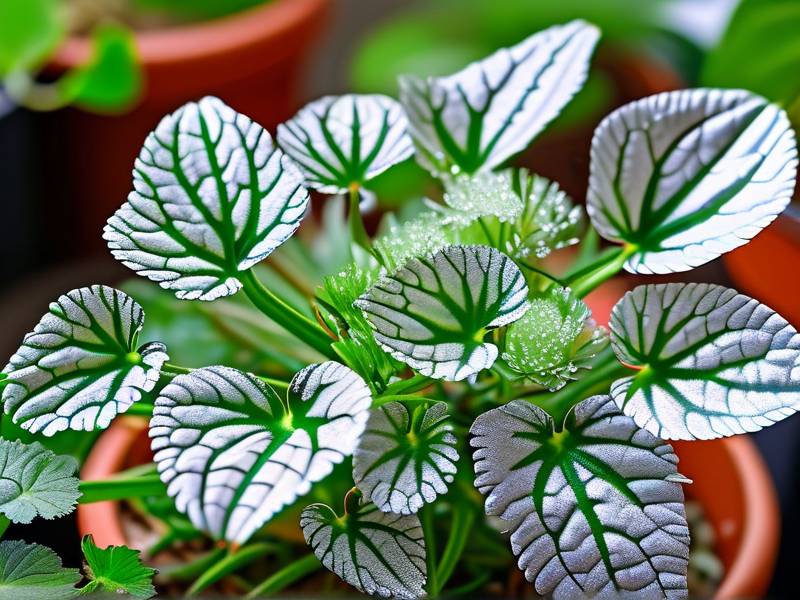
First, let's make sure we're talking about the same thing.
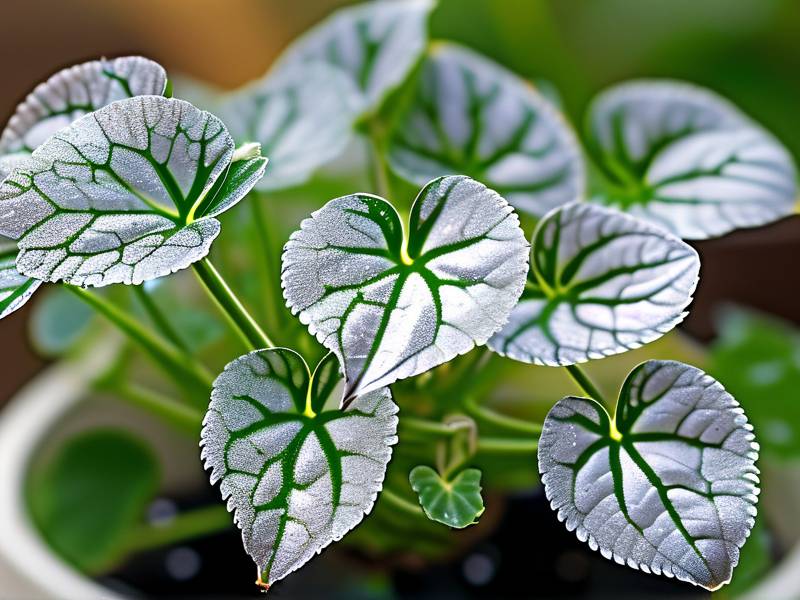
Stippling shows up as tiny silvery or yellowish dots clustered together, usually on the top of the leaf. It looks like someone took a fine-tipped pen and dotted the surface a thousand times.
If you look underneath that same leaf, you'll often see fine webbing and tiny moving specks. Those specks are the mites themselves. They're smaller than a grain of salt, so you may need a magnifying glass.
The silver color happens because mites pierce the leaf cells and suck out the contents. The empty cells reflect light differently, giving that metallic sheen.
I once ignored early stippling on a zebrina because I thought it was just dust. Three weeks later, half the plant looked bleached. Lesson learned.
Why Spider Mites Target Tradescantia Zebrina
Tradescantia zebrina has relatively thin leaves compared to something like a rubber plant. That makes it easier for mites to pierce and feed.
It also thrives in the same warm, dry indoor conditions that spider mites adore. Indoor heating in winter is basically a mite spa.
According to the RHS, spider mites reproduce faster in hot, dry environments and can complete a generation in under a week. That's why early action matters so much.
The AHS also notes that stressed plants are more vulnerable to mite outbreaks. So fixing the underlying growing conditions is just as important as killing the bugs.
The Two-Week Treatment Plan That Worked for Me
Here's the exact sequence I used. I'm not going to pretend it was effortless, but it worked.
Day 1: Isolate and Inspect
Move the affected plant away from all your other houseplants immediately. Spider mites spread by crawling and by hitching rides on drafts.
Check every leaf, especially the undersides. Use a flashlight if your eyes aren't what they used to be.
If only one or two stems are badly hit, cut them off and bag them. Don't compost them.
Day 2: Shower the Plant
Take the plant to your sink or shower and rinse every leaf with room-temperature water. Pay special attention to leaf undersides.
The physical force of water knocks off a huge chunk of mites and their webbing. It's not a cure, but it's a powerful first strike.
I do this every time I bring a new plant home now. It's saved me a lot of grief.
Day 3: Apply Insecticidal Soap or Neem Oil
Spray the entire plant — tops and undersides of leaves, stems, and even the top of the soil. I use insecticidal soap because it's gentle on the plant and breaks down fast.
If you prefer neem oil, that works too. Just don't spray in direct sunlight, or you'll fry the leaves.
Repeat this every 3 to 4 days for two weeks. The reason is simple: sprays kill adult mites but not always the eggs. You need to catch the newly hatched ones before they lay more eggs.
Day 5: Increase Humidity Around the Plant
Spider mites hate moisture. I placed a small humidifier near my zebrina and grouped it with a few other humidity-loving plants.
You can also set the pot on a tray of pebbles with water. Just make sure the pot isn't sitting directly in water.
Day 10: Check for New Growth
By day 10, I noticed something amazing. The newest leaves near the growing tips were coming in clean — no stippling at all.
That's your sign the treatment is working. The old damaged leaves won't heal, but new growth tells you the mites are losing.
Day 14: Final Assessment
At the two-week mark, I did a thorough inspection. No webbing, no moving specks, no new stippling.
I kept the plant isolated for one more week just to be safe, then moved it back with the others. I still check it weekly because I'm a little paranoid now.
The Three Deadly Mistakes New Growers Make
I've made all three of these, so don't feel bad if you have too.
Mistake 1: Overwatering
This is the big one. 90% of indoor plants die from overwatering. Not underwatering — overwatering. Tradescantia zebrina likes consistent moisture, but soggy soil suffocates the roots and invites rot. And a stressed plant is a magnet for spider mites.
Let the top inch or so of soil dry out between waterings. Stick your finger in. If it feels damp, wait.
Mistake 2: Wrong Light
Tradescantia zebrina needs bright, indirect light to keep its color and vigor. Too little light makes it leggy and weak. Too much direct sun scorches the leaves and makes them crispy.
I learned this the hard way after putting a zebrina in a south-facing window without a sheer curtain. The leaves faded and curled within days.
A spot a few feet back from an east or west window is usually perfect.
Mistake 3: The Wrong Pot
I used to think bigger was better. It's not. A pot that's too large holds way more soil than the roots can use, which stays wet for ages.
Use a pot only slightly larger than the root ball. And make sure it has drainage holes. Always.
I once planted a zebrina in a gorgeous ceramic pot with no drainage because I was impatient. It rotted within a month. That was an expensive lesson.
Light, Water, and Soil: Getting the Basics Right
Fixing spider mites is only half the battle. If you don't fix the growing conditions, they'll come back.
Light
Bright, indirect light is the sweet spot. A sheer curtain over a sunny window works well.
If your plant is stretching out with long gaps between leaves, it needs more light. If the leaves are bleached or scorched, it needs less.
Water
Water thoroughly until it runs out the drainage holes. Then wait until the top inch of soil is dry before watering again.
In winter, you'll water much less often. Maybe every 10 to 14 days, depending on your home's humidity.
Soil
Use a well-draining mix. I make my own with two parts potting soil, one part perlite, and one part orchid bark.
That combination holds some moisture but lets excess water drain away fast. Tradescantia zebrina roots hate sitting in a swamp.
Fertilizer
Feed with a balanced liquid houseplant fertilizer diluted to half strength. Once a month during spring and summer is plenty.
Don't fertilize in fall or winter. The plant is resting, and extra salts can burn the roots.
Seasonal Care That Keeps Mites Away
Spider mites are worse in winter when indoor air is dry. That's when I'm most vigilant.
In spring, I repot if needed and start fertilizing again. I also prune any leggy growth to encourage bushiness.
Summer means more water and more frequent checks for pests. I also mist my zebrina every few days if the air is dry.
Fall is when I slow down on watering and stop fertilizing. I also do a thorough leaf inspection before bringing plants back inside.
Winter is the danger zone. I run a humidifier, keep the plant away from heating vents, and check leaf undersides weekly.
Common Questions I Get From Readers
Can I just cut off all the damaged leaves?
You can, but it stresses the plant. I prefer to leave mildly damaged leaves until new growth comes in, then trim the worst ones. If a leaf is more than half silver, go ahead and remove it.
Do I need a magnifying glass to check for mites?
It helps, but you can also tap a leaf over a white piece of paper. If tiny specks start moving, you've got mites. That's my low-tech test.
Will my plant ever look normal again?
Yes. The damaged leaves won't recover, but new growth will be healthy. Be patient. It took my zebrina about a month to look full again after a bad infestation.
One Last Thing
Spider mites are persistent, but they're not invincible. Stay consistent with your treatment, fix the growing conditions, and your Tradescantia zebrina will bounce back. I've brought several plants back from the brink, and it's always worth the effort. You've got this.