bluename
 How to Treat Bacterial Leaf Blight on Syngonium Podophyllum Leaves
Bacterial leaf blight on Syngonium podophyllum is one of those problems that sneaks up on you. One morning your arrowhead plant looks fine, and the next thing you know, there are dark, water-soaked patches spreading across the leaves. I have dealt with this exact issue three times in my five years of growing Syngoniums indoors, and I can tell you right now: catching it early matters more than anything else. Within the first 100 words, here is the short answer, isolate the plant immediately, remove all infected leaves with sterilized scissors, stop misting entirely, and apply a copper-based bactericide every 7 to 10 days for at least 2 weeks. That combination stopped the spread in my collection when nothing else worked.
By the way, if you have been confusing this with fungal leaf spot, you are not alone. I did too for the first year. Bacterial leaf blight looks different once you know what to look for, and that distinction changes everything about how you treat it.
What Bacterial Leaf Blight Actually Looks Like on Syngonium Leaves
Let me be blunt here. Bacterial leaf blight is not the same as the brown tips you get from low humidity. I made that mistake early on and wasted two weeks treating the wrong problem.
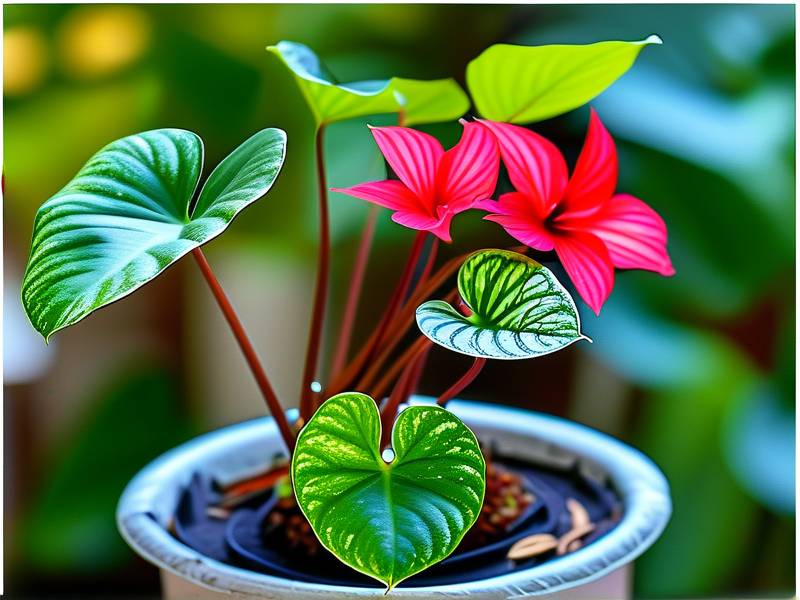
Here is what I see when bacterial blight hits:
- Water-soaked lesions that look dark green or almost translucent at first
- Those spots turn brown or black within a day or two
- Yellow halos around the infected areas, which is a classic sign
- The lesions often start at the leaf margins and spread inward
- Leaves curl, wilt, and drop faster than you would expect
The pathogen behind this is usually a Xanthomonas or Pseudomonas species. According to the RHS, bacterial diseases in houseplants are notoriously difficult to eliminate completely once established. They spread through water, contaminated tools, and even splashing from your watering can.
I remember the first time I saw it on my Syngonium 'White Butterfly.' I thought it was just sunburn. Two days later, half the leaves had these ugly black streaks. That was a rough lesson.
Why This Happens in the First Place
Honestly, most bacterial issues in home gardens come down to a few things.
Overwatering is the big one. When the soil stays wet for too long, the roots weaken, and the plant becomes a magnet for bacterial infections. You have probably heard this before, but it bears repeating: 90% of indoor plants die from overwatering. That statistic is not just about root rot. It also opens the door for bacterial pathogens.
High humidity with poor airflow is another trigger. Syngoniums love humidity, but if you are misting them in a stuffy room with no air movement, you are basically rolling out a red carpet for bacteria.
Contaminated tools or new plants can introduce the bacteria. I once brought home a nursery Syngonium that looked healthy. Within a week, my entire shelf of Aroids was showing symptoms. Now I quarantine every new plant for at least 10 days. Every single time.
Leaf wounds from rough handling or pest damage give bacteria an easy entry point. Even a small tear from repotting can become an infection site.
My Step-by-Step Treatment That Worked Over 2 Weeks
I am going to walk you through exactly what I did when my Syngonium podophyllum got hit with bacterial leaf blight last spring. This is not theory. This is what actually worked.
Day 1: Isolate and Assess
The moment I saw those water-soaked spots, I moved the plant to a completely separate room. Bacterial infections spread fast. I checked every other plant on the same shelf for early signs.
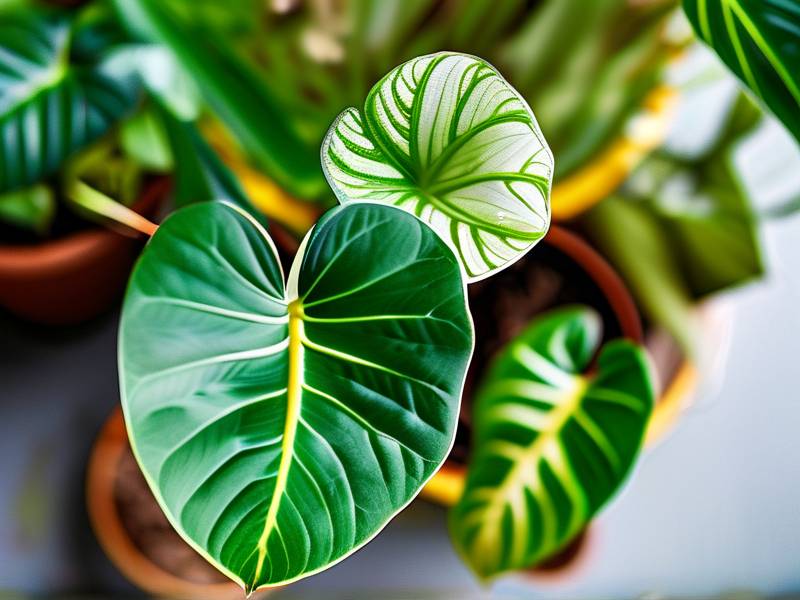
I also took photos. That sounds fussy, but it helped me track whether the treatment was actually working or not. You will thank yourself later.
Day 1-2: Remove Infected Foliage
I used sharp, clean scissors. Between every single cut, I wiped the blades with 70% isopropyl alcohol. This step is non-negotiable. If you cut an infected leaf and then cut a healthy one with the same dirty blade, you are just spreading the bacteria.
I removed every leaf with visible lesions. I also removed the ones that looked suspicious. I know it feels painful to cut back a plant you love. But leaving even one infected leaf can undo everything.
I bagged the cuttings immediately and threw them in the trash outside. Not the compost. The trash.
Day 2: Copper-Based Bactericide Application
I used a copper-based bactericide spray. You can find these at most garden centers or online. I mixed it according to the label and sprayed every remaining leaf, top and bottom, until it was dripping.
Copper does not cure infected tissue. Nothing does. But it creates a protective barrier on healthy leaves that makes it harder for bacteria to establish new infections.
I repeated this spray every 7 days for 2 weeks. That is three applications total.
Day 3-14: Adjust Care Routine
This part is where most people slip up. You cannot just spray and go back to your old routine. I made these changes:
- Stopped misting completely. No exceptions.
- Watered only when the top 2 inches of soil were dry. I used a moisture meter to be sure.
- Increased airflow. I placed a small oscillating fan nearby on low, pointed away from the plant.
- Kept the plant in bright, indirect light. No direct sun on wet leaves.
- Did not fertilize. Stressed plants do not need food. They need stability.
What I Observed Over 2 Weeks
- Day 3: No new lesions appeared. That was a good sign but not a victory yet.
- Day 7: The existing dark spots stopped spreading. Some leaf edges dried and crisped up.
- Day 10: I saw new growth emerging from the base. Tiny, pale green, and completely clean.
- Day 14: Two new leaves had unfurled with zero signs of infection. I knew the plant was going to make it.
I kept up the reduced watering and no-misting routine for another month after that, just to be safe. Bacterial problems can come back if you get complacent.
The 3 Biggest Mistakes I See New Growers Make
Mistake 1: Overwatering
I have said it already, and I will say it again. 90% of indoor plants die from overwatering. Syngoniums are not swamp plants. They like consistent moisture, not soggy soil.
I killed my second Syngonium because I thought more water meant faster growth. It does not. It means root rot, weak immune response, and a free pass for bacterial infections.
Water when the top inch or two of soil is dry. In winter, wait even longer. Simple as that.
Mistake 2: Putting It in the Wrong Light
I tried growing a Syngonium in a dark corner once because someone told me they were "low light" plants. That plant limped along for months, pale and leggy, and eventually got sick.
Syngoniums tolerate low light. They do not thrive in it. Bright, indirect light keeps them strong and more resistant to disease. A spot near an east or north window is usually perfect. If the leaves start looking washed out or scorched, adjust.
Direct afternoon sun will burn the leaves. Those burns become entry points for bacteria. I learned that the hard way with a south-facing window.
Mistake 3: Using the Wrong Pot
I used to think any pot with drainage holes would do. Then I realized that pot size matters just as much as drainage.
A pot that is too large holds too much soil. That soil stays wet longer. The roots sit in moisture. Bacteria love it.
Use a pot that is only 1 to 2 inches wider than the root ball. Terracotta is great because it wicks away excess moisture. Glazed ceramic works too, as long as there is a drainage hole. Plastic is fine, but you need to be more careful with watering.
I also started using a soil mix that drains fast: 60% potting mix, 20% perlite, 20% orchid bark. That blend changed everything for me.
Light Requirements for a Healthy Syngonium
Let me break this down simply.
- Best light: Bright, indirect. A few feet back from a south or west window with a sheer curtain works well.
- Tolerated: Medium indirect light. Growth will be slower, but the plant can still be healthy.
- Too little: Stunted growth, small leaves, loss of variegation, increased disease susceptibility.
- Too much: Scorched, bleached patches on leaves. Those damaged areas invite bacteria.
I rotate my Syngonium a quarter turn every week. That keeps growth even and prevents one side from getting too much or too little light.
Watering Guide That Actually Prevents Bacterial Problems
Here is the thing. Bacterial leaf blight does not happen in a vacuum. It almost always follows poor watering habits.
The core rule: Water deeply, then let the soil dry partially before watering again.
- Spring and summer: Water when the top 1 to 2 inches of soil are dry. Usually every 5 to 7 days indoors.
- Fall: Start stretching the interval. Every 7 to 10 days.
- Winter: Every 10 to 14 days, sometimes less. The plant is not actively growing. It does not need much.
Always water at the soil level. Never pour water over the leaves. Wet foliage is an open invitation for bacteria.
If you accidentally overwater, tilt the pot to let excess water drain out. Do not let the pot sit in a saucer of water. That is basically a bacterial breeding ground.
Soil, Repotting, and Pot Choices
I already mentioned my preferred mix. Let me give you the exact recipe I use now.
- 3 parts quality potting mix
- 1 part perlite
- 1 part orchid bark
This mix holds moisture without staying soggy. It also provides good airflow around the roots.
When to repot: Every 12 to 18 months, or when you see roots coming out of the drainage holes. Spring is the best time.
Pot selection: Always choose a pot with drainage holes. Terracotta is my top pick for Syngoniums. It breathes and helps prevent overwatering.
Repotting tip: Do not water immediately after repotting. Wait 2 to 3 days. This gives any minor root damage time to callus over, reducing the risk of infection.
I repotted my oldest Syngonium last spring. I went up just one pot size. The plant did not skip a beat.
Fertilizing Without Making Things Worse
Syngoniums are not heavy feeders. I use a balanced liquid fertilizer diluted to half strength.
- Spring and summer: Once a month.
- Fall: Once every 6 to 8 weeks.
- Winter: Stop entirely.
Never fertilize a plant that is sick, stressed, or recently repotted. I made that mistake once and burned the roots. The plant took months to recover.
If you see salt buildup (a white crust on the soil surface), flush the soil with plain water until it runs clear. Then skip fertilizing for a month.
Seasonal Care for Syngonium Podophyllum
Spring: Wake-Up Time
This is when your Syngonium starts pushing new growth. It is also the best time to deal with any lingering issues from winter.
- Resume monthly fertilizing.
- Repot if needed.
- Trim any dead or damaged leaves.
- Check for pests that may have overwintered.
I always do a thorough inspection in early spring. I look at every leaf, every stem, and the soil surface. Catching problems now saves you grief later.
Summer: Watch the Heat
Summer is growth season, but it is also when bacterial issues peak if you are not careful.
- Keep the plant out of direct sun.
- Maintain consistent watering, but do not overdo it.
- Ensure good airflow. I run a ceiling fan or a small floor fan in the room.
- Check for pests weekly. Spider mites love hot, dry conditions.
If your home gets very hot, move the plant to the coolest room with good light. Heat stress weakens the plant and makes it more vulnerable.
Fall: Slow Down
Growth slows in fall. Your care should slow down too.
- Reduce watering frequency.
- Cut back on fertilizing.
- Clean up any fallen leaves immediately.
- Inspect for early signs of disease before winter sets in.
I also stop misting entirely in fall. The humidity in most homes is adequate, and wet leaves in cooler temperatures are a recipe for trouble.
Winter: Keep It Alive, Not Thriving
Winter is survival mode for Syngoniums in most homes.
- Move the plant away from cold windows and drafty doors.
- Water sparingly. Maybe every 10 to 14 days.
- Stop fertilizing completely.
- Keep the plant in the brightest spot you have.
- Do not repot. Wait until spring.
I have lost Syngoniums to cold drafts more than once. If you live in a cold climate, check for gaps around windows. A simple draft stopper can make a big difference.
Common Pests and Problems Beyond Bacterial Blight
Bacterial leaf blight is the focus here, but Syngoniums deal with other issues too.
- Spider mites: Tiny webs, stippled leaves. Increase humidity and treat with neem oil.
- Mealybugs: White, cottony clusters. Remove with a cotton swab dipped in alcohol.
- Fungal leaf spot: Brown spots with yellow halos, but no water-soaked appearance. Treat with a fungicide.
- Root rot: Mushy, dark roots and a foul smell. Remove affected roots, repot in fresh soil, and water less.
- Yellow leaves: Usually overwatering or nutrient deficiency. Check your watering schedule first.
The AHS notes that proper sanitation and cultural care prevent most plant diseases. That has been true in my experience. Clean tools, clean pots, and appropriate watering solve more problems than any spray.
FAQ
Can bacterial leaf blight kill my Syngonium?
Yes, if left untreated. It spreads quickly and can defoliate the plant within a couple of weeks. Early intervention is key.
Is bacterial leaf blight contagious to my other plants?
Absolutely. It spreads through water splash, contaminated tools, and direct contact. Isolate the affected plant immediately.
Can I use neem oil for bacterial leaf blight?
Neem oil is more effective against pests and fungal issues. For bacterial blight, a copper-based bactericide is the better choice. Neem can help as a preventative but not as a cure.
Final Thoughts
Bacterial leaf blight on Syngonium podophyllum is frustrating, but it is not a death sentence. Act fast, isolate the plant, remove infected leaves, spray with copper, and fix your watering habits. Those steps carried my plant through a 2-week recovery that I honestly did not think was possible at the start.
The biggest lesson I have learned over the years is that prevention beats treatment every time. Water properly. Give the right light. Use the right pot. Keep your tools clean. Do those things, and you will rarely see bacterial blight again.
And if you do see it? Do not panic. Just start on day one and stay consistent. Your Syngonium can bounce back. Mine did.