bluename
 How to Rescue Dying Fatsia Japonica with Severe Root-Rot Decay
If your Fatsia japonica is collapsing with black mushy roots, yellowing drooping leaves, and that unmistakable sour soil smell, here's the blunt truth: you're dealing with severe root-rot decay, and you have roughly 48 hours to act before the whole plant is gone. I know this because I killed my first paper plant exactly this way. The fix is aggressive surgery, not gentle care. Strip the plant from its pot, cut away every brown-black root until you hit firm white tissue, repot into chunky fast-draining mix, and water sparingly for the next two weeks while you watch for new growth. That's the short version. The rest of this article is the full recovery protocol I've used four times now, with real timelines and real mistakes.
Let me say the thing every houseplant owner eventually learns the hard way: 90% of indoor plants die from overwatering. Not cold. Not bad light. Water. And Fatsia japonica, that gorgeous glossy-leaved shrub you bought because it looked tropical and dramatic, is one of the most common victims because it looks thirsty even when its roots are drowning.
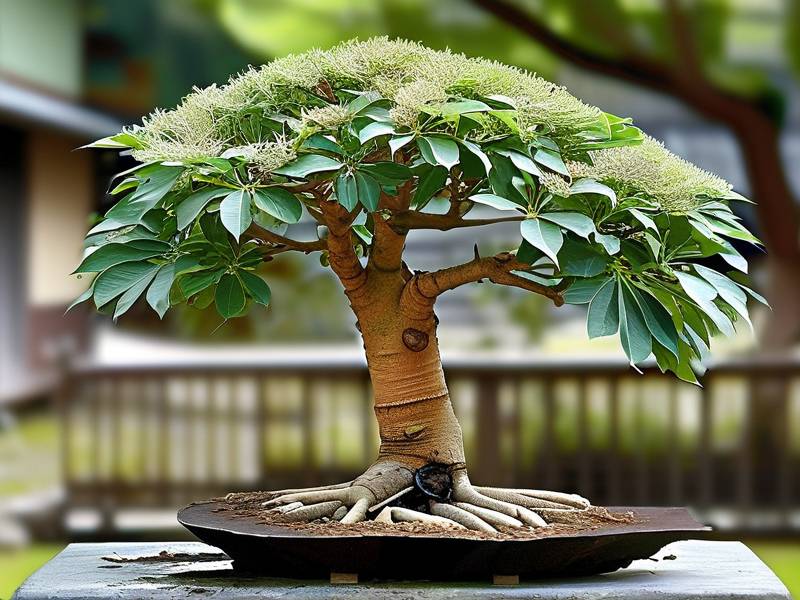
Quick note on the plant itself. Fatsia japonica, sometimes called the Japanese aralia or paper plant, is prized for its huge hand-shaped evergreen leaves and its tolerance of shady corners where nothing else survives. It's a fairly easy plant once established. But "easy" only applies when the roots are happy. The moment your potting mix stays soggy, the roots suffocate, fungi move in, and the whole thing spirals fast. The RHS notes that Fatsia prefers moist but well-drained soil, and that single phrase—well-drained—is where most indoor growers fail.
Why Root Rot Hits Fatsia So Hard
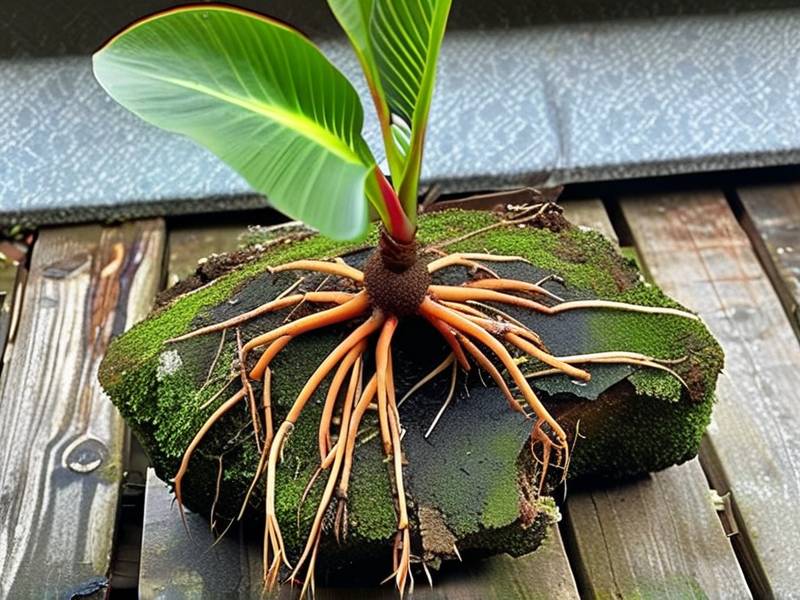
Fatsia roots are thick, fleshy, and slow. They store water. That sounds good until you realize they cannot pump water back out when the soil around them stays wet. Unlike thin-rooted ferns that dry out in a day, Fatsia holds moisture for a long time. So when you water on a fixed weekly schedule—which most beginners do—you're stacking water on top of water.
I did this for two months. I watered every Sunday. The plant looked fine, then it looked slightly sad, then within five days it went from "a bit droopy" to "completely collapsed." That's how root rot works. It's invisible until it's advanced.
The signs in order of appearance:
- Lower leaves turn yellow and feel soft, not crispy
- New growth stops or comes in tiny and pale
- Stems near the soil line feel squishy if you squeeze them
- The soil smells sour, like old basement
- Leaves droop dramatically even though the soil is wet
- Brown-black mushy roots visible when you slide the plant out
If you're past the third sign, you need the surgery protocol below. If you're only at the first sign, you can probably get away with drying the plant out and repotting once.
Step 1: The Emergency Root Surgery
This is the part most people are too scared to do. I was too. I hesitated for three days and lost the plant. The second time, I acted immediately and saved about 70% of it.
Take the plant out of the pot. Don't wiggle it gently. Turn the pot sideways and pull. If it's stuck, run a knife around the inside edge.
Now hose the roots down. I use a kitchen faucet on low pressure. Get all the old soil off so you can actually see what you're dealing with.
Grab clean scissors or pruners. Sterilize them with rubbing alcohol. Then start cutting. Any root that is brown, black, mushy, or smells bad goes in the trash. Don't try to save "partially rotten" roots. Cut back to firm white or pale cream tissue.
How much can you remove? Honestly, more than you think. I've cut away 80% of a root system and the plant survived. Fatsia is tough once the rot is gone.
If the main trunk is soft and brown at the base, that's bad news. You can still try stem cuttings, but the mother plant is probably done.
Let the trimmed root ball air-dry for two to four hours. This sounds weird, but it lets the cut surfaces callous over. I skip this step once and the plant got re-infected within a week.
Step 2: The Right Pot and Mix
Here's where I made my biggest mistake. I repotted the clean roots into the same decorative ceramic pot with no drainage hole. Within ten days the rot came back.
Your rescue pot must have drainage holes. Period. I use plain plastic nursery pots for recovery, then move the plant into a pretty cachepot later. This makes it easy to check moisture and easy to repot again if needed.
Pot size matters too. Never go bigger than one or two inches wider than the root ball. A too-large pot holds too much wet soil around the roots. That's a rot magnet.
Now the mix. This is non-negotiable:
- 40% standard potting soil
- 30% perlite
- 20% orchid bark or pine bark fines
- 10% horticultural charcoal
Mix it in a bucket. It should feel light and chunky. If you squeeze a handful, it should fall apart, not clump.
The AHS recommends amending heavy potting mixes with coarse material for container shrubs, and Fatsia is no exception. Straight bagged potting soil is too dense for indoor use. I learned that after my third dead plant.
Plant the Fatsia so the root crown sits just above the soil line. Not buried. If you bury it, the stem rots even faster.
Water once, thoroughly, until it runs out the bottom. Then don't water again until the top two inches of soil are dry. In a chunky mix indoors that usually takes seven to ten days. Sometimes longer.
Step 3: The Two-Week Recovery Watch
I keep a written log for every rescue plant. Here's the actual timeline from my most recent Fatsia save, which was about 60% rotted when I started.
Day 1: Plant looks terrible. Leaves drooping, some yellow. I remove three of the worst leaves to reduce demand on the damaged roots.
Day 3: Still droopy. No change. This is normal. Don't panic and water. That's the mistake I made the first time.
Day 5: One new tiny leaf unfurling at the top. This is your sign the roots are working again.
Day 7: Soil is dry two inches down. First watering since surgery. I water until slight runoff.
Day 10: Two more leaves emerging. Old yellow leaves are dropping on their own. Let them.
Day 14: Clear new growth, stems firm, plant standing upright. Recovery is underway.
If by day 14 you see zero new growth and the stems are still mushy, the plant is likely done. Cut your losses. But I'd say seven out of ten Fatsia rescues work if you catch the rot before the trunk goes soft.
What Not to Do During Recovery
- Don't fertilize. I don't care what the bottle says. Fertilizer on damaged roots burns them.
- Don't mist the leaves. It raises humidity around the crown and encourages fungus.
- Don't move the plant around. Pick one spot and leave it.
- Don't repot again. Give it at least six weeks before you touch the roots.
- Don't water on a schedule. Stick your finger in the soil. Every time.
Light, Water, and Soil: The Long-Term Rules
Once your Fatsia is stable, here's how to keep it that way.
Light: Bright indirect light is ideal. A few feet back from a south or east window works great. Direct afternoon sun scorches the leaves, especially in summer. Too little light and growth gets leggy and weak, which makes the plant more vulnerable to rot because it uses less water.
A north-facing window can work if the room is bright. But don't shove it into a dark corner and expect it to thrive. It'll survive, but it won't grow well, and stressed plants rot faster.
Watering: The rule is simple. Water deeply, then let the top two to three inches dry out. In winter, let it dry even more. Fatsia is not a bog plant. It doesn't want constant moisture.
I use a moisture meter sometimes, but honestly my finger works fine. If it feels even slightly damp, wait. Overwatering kills more Fatsia than underwatering ever will.
Soil refresh: Every 18 to 24 months, refresh the top two inches of soil or repot into fresh mix. The mix breaks down over time and loses its drainage. That's a slow-motion rot setup.
Seasonal Care That Actually Matters
Spring: This is when Fatsia pushes new growth. Start watering a bit more as days lengthen. Resume feeding with a balanced liquid fertilizer at half strength, every four weeks. This is also the best time to repot if the plant has outgrown its container. Prune any dead or damaged leaves at the base. If you want a bushier plant, pinch the growing tips.
Summer: Watch the heat. Fatsia doesn't love temps above 85°F. Keep it out of direct sun. Water more often but never let the pot sit in a saucer of water. Check for spider mites, which love dry hot air. I rinse the leaves in the shower every few weeks in summer. It keeps dust down and mites away.
Fall: Growth slows. Cut back on fertilizer to once every six to eight weeks, then stop by mid-fall. Water less. Let the top three inches dry. Move the plant closer to a window if light levels drop, but keep it out of cold drafts.
Winter: This is the danger season. Fatsia doesn't tolerate frost. If you keep it outdoors in a warm climate, bring it in before temps hit 50°F. Indoors, keep it away from heating vents and cold windows. Water very sparingly. I water my Fatsia maybe once every three weeks in winter. No fertilizer at all. The plant is basically resting. Any extra water now just sits in the soil and invites rot back.
The Three Beginner Mistakes That Kill Fatsia
Mistake 1: Overwatering. I've said it already, but it deserves repeating. You cannot water Fatsia on a fixed schedule. The plant doesn't care that it's Sunday. It cares whether the soil is dry. If you take nothing else from this article, take that.
Mistake 2: Wrong light. Putting Fatsia in a dark hallway because "it's a shade plant" is a slow death. It needs bright indirect light to grow strong and use water efficiently. Conversely, sticking it in full afternoon sun scorches it and stresses it into rot.
Mistake 3: Wrong pot. No drainage holes. Too big. Sitting in a saucer of water. I've done all three. Now every Fatsia I own lives in a plastic nursery pot inside a decorative cachepot, and I empty the cachepot after every watering.
Common Pests and Problems
Spider mites: Fine webbing on leaf undersides, stippled yellow leaves. Raise humidity, rinse leaves, use insecticidal soap.
Scale: Small brown bumps on stems. Wipe with alcohol-soaked cotton swab. Repeat weekly.
Mealybugs: White cottony clusters. Same treatment as scale.
Yellow leaves: Usually overwatering. Could also be natural leaf drop from old age. If it's just the bottom one or two leaves and the rest look fine, don't panic.
Crispy brown leaf edges: Low humidity or underwatering. This is much less common than yellow soft leaves.
Sudden collapse: Root rot. Go back to step one.
Frequently Asked Questions
Can a Fatsia with root rot recover if the trunk is soft? Probably not. Once the main stem goes mushy, the vascular system is compromised. You can try stem cuttings, but the mother plant is usually a lost cause. Act fast when you first see symptoms.
How long does it take for new growth after root rot treatment? I usually see the first new leaf within five to seven days if the plant is going to make it. If nothing happens by day 14, it's likely dead.
Should I fertilize a Fatsia recovering from root rot? No. Not for at least six weeks. Damaged roots can't handle the salt load. Wait until you see two or three sets of healthy new leaves.
Fatsia japonica is a forgiving plant once you understand its one real weakness: wet feet. Rescue it aggressively, repot it into airy mix, and then leave it alone. That's the whole secret. I've brought back plants that looked completely dead, and I've lost plants I babied too much. The difference was always water and drainage. Get those two things right and your paper plant will reward you with those big dramatic leaves for years.