bluename
 Anthurium Care Across Seasons: Winter Temperature Control and Summer Humidity Tips
Winter Anthurium Care: Mastering Temperature Control and Fighting Dry Air
1. Keep Temperatures Stable (65–75°F / 18–24°C)
How to Control Temperature in Winter
Find a warm spot: Place your anthurium away from drafty windows, exterior doors, and HVAC vents. A south-facing window (with a sheer curtain to filter harsh light) is ideal—these spots stay warmer and get the most winter sunlight. Avoid north-facing windows, which are colder and darker.
Block cold drafts: If your anthurium is near a window, use a draft stopper (a fabric tube filled with sand) along the window sill to block cold air. You can also hang a thick curtain over the window at night to insulate the area.
Use a space heater (if needed): If your home stays below 65°F, use a small space heater to warm the room. Keep the heater at least 3 feet away from the plant (to avoid drying out leaves) and set it to maintain a consistent 65–70°F. Avoid oscillating heaters—they blow dry air and create drafts.
Check temperature regularly: Use a digital thermometer near the plant to monitor conditions. If temperatures drop below 60°F even briefly, move the anthurium to a warmer room (like a bathroom or kitchen, which are often heated more consistently).
Signs of Cold Damage
Dark brown or black spots on leaves (these are frost-like burns).
Wilting leaves that feel soft or mushy.
Spathes that turn brown at the edges and drop early.
2. Adjust Watering to Avoid Root Rot
How to Water in Winter
Water less frequently: Check the soil every 10–14 days (instead of 5–7 days in summer). Water only when the top 2 inches of soil feel completely dry to the touch.
Use warm water: Cold water shocks roots in winter. Let tap water sit for 24 hours to warm to room temperature (and remove chlorine) before using.
Water thoroughly but slowly: Pour water over the soil until it drains out the bottom of the pot, but don’t let the plant sit in standing water (empty the saucer immediately). This ensures roots get moisture without being waterlogged.
Avoid misting (for most homes): While anthuriums need humidity, misting in cold rooms can leave water on leaves that takes hours to dry—this increases the risk of fungal diseases like leaf spot. Skip misting and use other humidity-boosting methods instead (see below).
Signs of Overwatering in Winter
Yellow leaves (starting from the bottom of the plant).
A musty smell from the soil.
Wilting leaves even when the soil is wet.
3. Boost Humidity (Without Causing Mold)
Easy Winter Humidity Hacks
Use a humidifier: This is the most reliable way to maintain consistent humidity. Place a small humidifier near the anthurium and set it to 50–60%. Run it during the day (when heaters are on) and turn it off at night to avoid excess dampness.
Create a pebble tray: Fill a shallow tray with pebbles and add water until it reaches just below the top of the pebbles. Set the anthurium’s pot on the pebbles (make sure the pot doesn’t touch the water—this prevents root rot). As the water evaporates, it adds moisture to the air around the plant. Refill the tray every 2–3 days.
Group plants together: Place your anthurium with other tropical plants (like pothos, peace lilies, or ferns). Plants release moisture through transpiration, creating a more humid microclimate. Just make sure there’s enough space between them for air flow (to prevent disease).
Move it to the bathroom (occasionally): Bathrooms are often the most humid rooms in winter. If your bathroom has a window with indirect light, place the anthurium there for a few hours a week (after a shower, when humidity is highest). Avoid leaving it there permanently—bathrooms can be too dark or cold at night.
4. Adjust Light and Fertilizer for Winter Dormancy
Maximize light: Move the anthurium to the brightest spot in your home (usually a south-facing window with a sheer curtain). If natural light is scarce, supplement with a full-spectrum LED grow light. Set the light to 10–12 hours a day (matching shorter winter days) and hang it 12–18 inches above the plant.
Stop fertilizing: Anthuriums don’t need nutrients in winter—fertilizing during dormancy can burn roots and cause leaf damage. Resume fertilizing in spring (when new growth appears) with a diluted balanced fertilizer (10-10-10) every 4–6 weeks.
Summer Anthurium Care: Beating Heat with Humidity and Shade
1. Boost Humidity to Combat Dry Air
Effective Summer Humidity Tips
Mist daily (morning is best): Unlike winter, summer air is warmer, so misted water dries quickly (reducing fungal risk). Use room-temperature water and mist the leaves and around the plant (avoid soaking the spathes—this can cause browning).
Use a larger pebble tray: In summer, water evaporates faster, so use a bigger tray or add more water to your existing one. Refill it daily to keep humidity high.
Run a humidifier in air-conditioned rooms: If you use AC, place a humidifier near the anthurium to counteract dry air. Aim for 50–70% humidity—use a hygrometer (humidity meter) to monitor levels.
Place the plant near a bowl of water: Set a large bowl of water next to the anthurium. As the water evaporates, it adds moisture to the air. Add ice cubes to the bowl on hot days—this cools the air while boosting humidity.
Signs of Low Humidity in Summer
Crispy, brown leaf tips and edges.
Leaves that curl inward to conserve moisture.
Spathes that lose their shine and become papery.
2. Protect from Direct Sun and Overheating
How to Shield from Sun and Heat
Move to a shaded spot: Place the anthurium near an east-facing window (it gets gentle morning sun, then shade in the afternoon) or a north-facing window (consistent indirect light). Avoid south or west-facing windows—these get intense afternoon sun.
Use a sheer curtain: If you can’t move the plant, hang a sheer curtain over the window to filter direct sun. This softens the light and prevents leaf scorch.
Avoid hot spots: Keep the anthurium away from radiators, stoves, or windowsills that get hot in the sun (plastic pots can heat up quickly, cooking roots).
Cool the plant (if needed): On extremely hot days (above 90°F), mist the leaves with cool (not cold) water to lower the plant’s temperature. You can also place a tray of ice cubes near the plant—melting ice cools the air around it.
Signs of Sun Damage
Brown, scorched spots on leaves and spathes (these are permanent).
Leaves that turn yellow and drop prematurely.
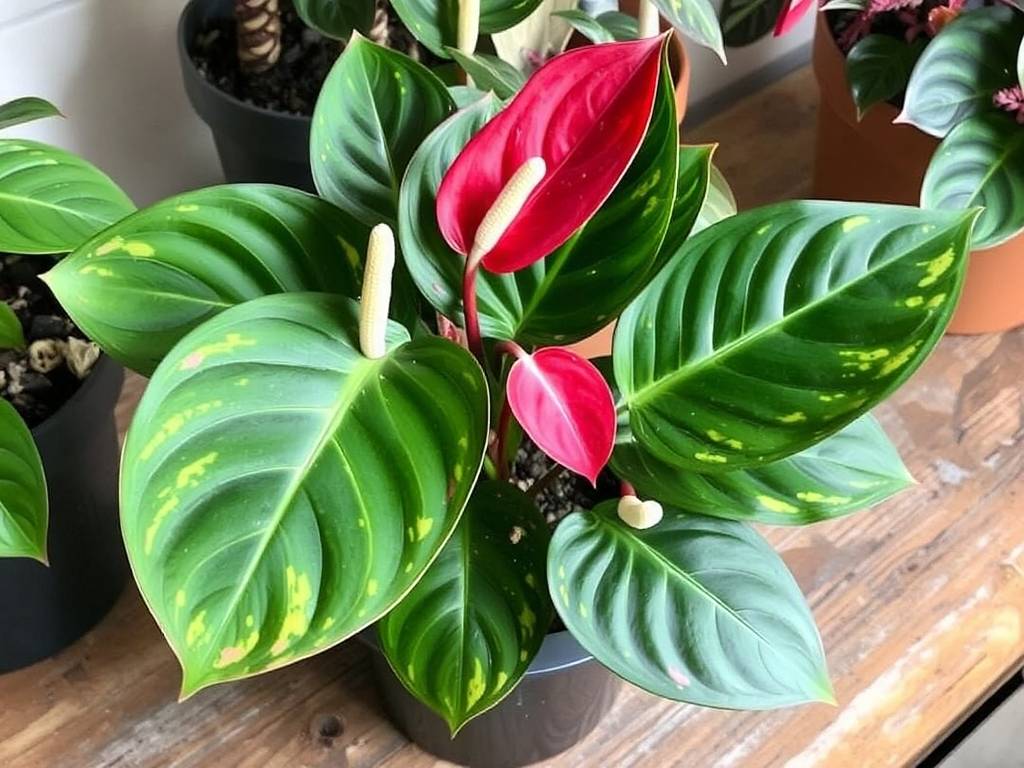
Spathes that fade to pale green or brown.
3. Water More Frequently (But Don’t Overdo It)
How to Water in Summer
Check soil every 5–7 days: Water when the top 1–2 inches of soil feel dry. In hot, sunny spots, you may need to water every 4–5 days; in cooler, shaded spots, every 7–10 days.
Water in the morning: Watering early in the day gives the plant time to absorb moisture before the heat of the afternoon. Avoid watering at night—damp soil overnight increases the risk of root rot.
Use cool (not cold) water: Cold water shocks roots in hot weather. Let tap water sit for a few hours to reach room temperature, or add a splash of cool water to warm tap water.
Monitor for underwatering: In summer, underwatering is more common than overwatering. Signs include wilted leaves (that perk up after watering), dry soil that pulls away from the pot, and crispy leaves. If you underwater, rehydrate the plant by soaking the pot in water for 15 minutes (as outlined in our earlier guide).
4. Fertilize to Support Summer Growth
How to Fertilize in Summer
Use a balanced, water-soluble fertilizer: Choose a fertilizer with equal parts nitrogen (N), phosphorus (P), and potassium (K)—like 10-10-10 or 20-20-20. Dilute it to half strength (follow the package instructions, then add twice as much water) to avoid burning roots.
Fertilize every 4–6 weeks: Apply fertilizer after watering the plant (never fertilize dry soil). This ensures nutrients are absorbed evenly and reduces root burn risk.
Avoid fertilizing during heatwaves: If temperatures rise above 90°F, stop fertilizing—stress from heat plus fertilizer can damage the plant. Resume once temperatures cool down.
Seasonal Pest and Disease Watch
Winter Pests: Spider Mites and Mealybugs
Spider mites: Look for fine webbing on leaf undersides and yellow stippling on leaves. Treat with insecticidal soap or neem oil, and increase humidity (dry air helps them spread).
Mealybugs: White, cotton-like bugs on leaf joints. Wipe them off with a cotton swab dipped in rubbing alcohol, then spray the plant with neem oil to prevent reinfestation.
Summer Pests: Aphids and Fungus Gnats
Aphids: Tiny green or black bugs on new leaves. Spray with a mix of water and dish soap (1 teaspoon soap per quart water) every 3 days until they’re gone.
Fungus gnats: Small black flies that hover over the soil. Let the soil dry out more between waterings, and add a layer of sand on top of the soil (this prevents gnats from laying eggs).
Final Seasonal Care Checklist
Winter Checklist
✅ Keep temperatures 65–75°F; avoid drafts.
✅ Water every 10–14 days (when top 2 inches of soil are dry).
✅ Boost humidity to 50–70% (use a humidifier or pebble tray).
✅ Maximize light (add a grow light if needed); stop fertilizing.
Summer Checklist
✅ Keep temperatures below 85°F; protect from direct sun.
✅ Water every 5–7 days (when top 1–2 inches of soil are dry).
✅ Boost humidity (mist daily or use a humidifier).
✅ Fertilize every 4–6 weeks with diluted balanced fertilizer.