bluename
 How to Care for Monstera Plants: Solving Common Issues Like Yellow Leaves and Stunted Growth
Why Do Monstera Leaves Turn Yellow? Common Causes and Fixes
1. Overwatering: The #1 Cause of Yellow Monstera Leaves
Stop watering immediately. Let the soil dry out completely—stick your finger 2-3 inches deep; it should feel bone dry.
Check the roots: Gently remove the Monstera from its pot. Healthy roots are white or light brown and firm; rotted roots are dark brown, mushy, and smell bad. Trim off all rotted roots with clean, sharp scissors (sanitize first with rubbing alcohol to avoid spreading disease).
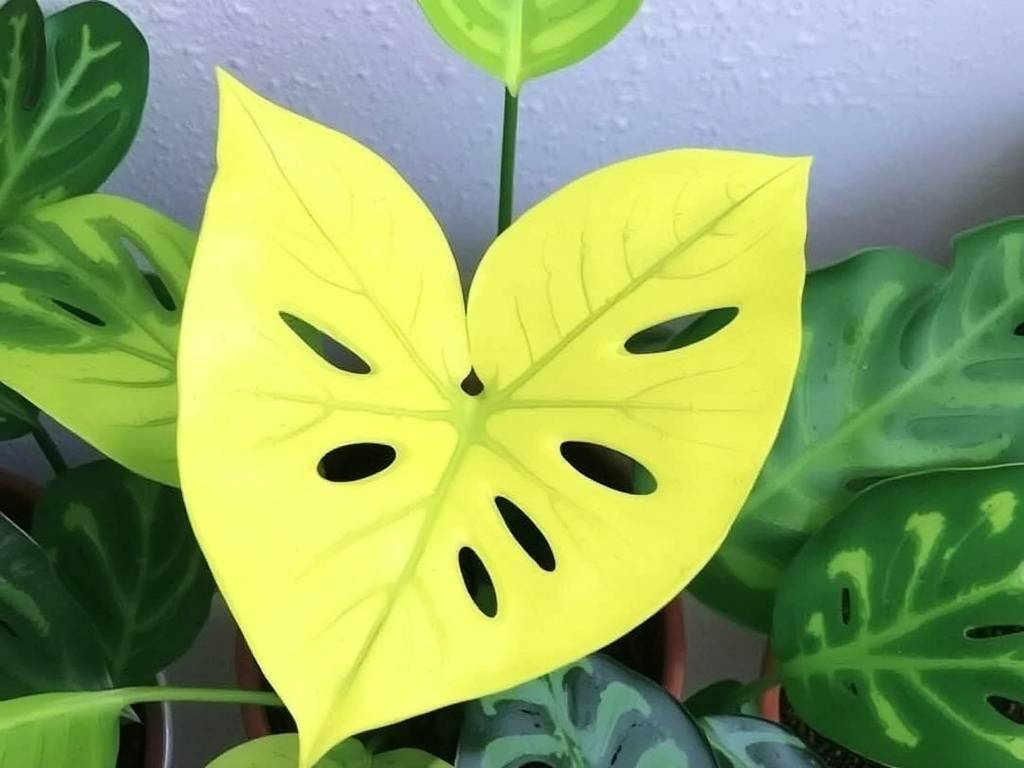
Repot in fresh, well-draining soil. Use a mix of 1 part peat moss, 1 part perlite, and 1 part potting soil—this prevents water from pooling. Choose a pot with drainage holes (never a pot without them!) to avoid future overwatering.
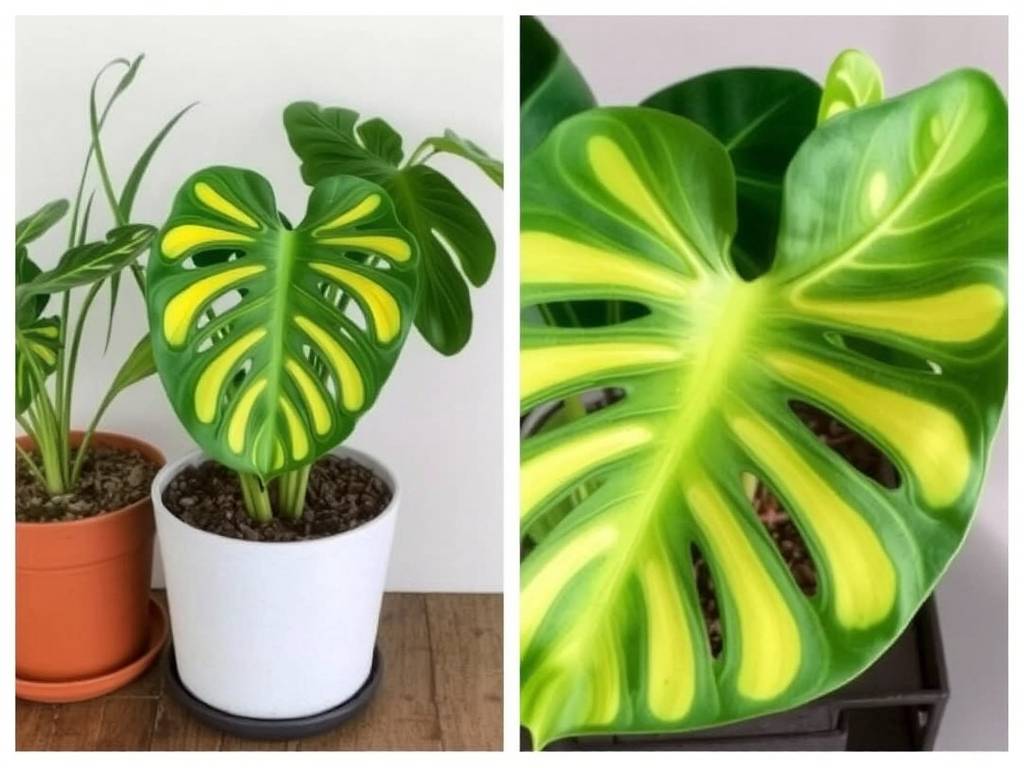
Adjust your watering routine: Water only when the top 2-3 inches of soil are dry. In winter, when growth slows, water even less (every 10-14 days instead of 5-7).
2. Underwatering: A Surprising Cause of Yellow Leaves
Give the plant a “deep soak”: Place the pot in a sink or basin and pour room-temperature water slowly over the soil until it drains out the bottom. Let it sit for 10-15 minutes to let the roots absorb extra moisture.
Check the soil regularly: Get into the habit of testing the soil depth every 3-4 days. Underwatering often happens when busy plant parents forget to check—set a gentle reminder on your phone if needed.
Mist the leaves: If the air is dry, misting 2-3 times a week adds moisture and prevents further leaf crisping (just avoid misting if the soil is still dry, as this won’t fix the root dehydration).
3. Too Much or Too Little Light
For too much light: Move the Monstera 2-3 feet back from south or west-facing windows, or use a sheer curtain to filter the sun. North or east-facing windows are ideal for gentle, consistent light.
For too little light: Place the plant near a brighter window (but still avoid direct sun). If natural light is scarce, add a grow light—set it to 12-14 hours a day, positioned 12-18 inches above the plant. This mimics natural light and encourages healthy leaf growth.
4. Nutrient Deficiencies: When Yellow Leaves Mean Hunger
Fertilize moderately: Use a balanced, water-soluble fertilizer (10-10-10 or 20-20-20) diluted to half strength. Feed every 4-6 weeks during spring and summer (growing season). Stop fertilizing in fall and winter when growth slows.
Add organic matter: Mix a handful of worm castings or compost into the soil once a year. This adds slow-release nutrients and improves soil health without the risk of chemical burn.
Avoid overfertilizing: Too much fertilizer can burn roots and cause yellow leaves too! If you see a white crust on the soil surface, flush the soil with water to wash away excess salts.
Why Is My Monstera Not Growing? Fixing Stunted Growth
1. Root-Bound Plant: When Roots Run Out of Space
Repot in a larger pot: Choose a pot that’s 2-3 inches wider in diameter than the current one. Make sure it has drainage holes!
Loosen the roots: Gently tease the root ball with your fingers to loosen circling roots—this encourages them to grow into the new soil.
Use fresh soil: Repot with the well-draining mix we mentioned earlier (peat moss, perlite, potting soil). Water thoroughly after repotting to help the plant settle.
2. Low Humidity: Dry Air Slows Growth
Use a humidifier: Place a small ultrasonic humidifier near the Monstera, set to 50% humidity. This is the most reliable way to keep humidity consistent.
Try the pebble tray method: Fill a tray with pebbles, add water just below the pebbles, and set the pot on top. As water evaporates, it adds moisture to the air.
Group plants together: Cluster your Monstera with other humidity-loving plants (pothos, ferns, philodendrons). They release moisture through transpiration, creating a humid microclimate.
3. Incorrect Temperature: Monsteras Hate Extremes
Move the plant away from drafts: Keep it at least 3 feet away from windows that open in winter, AC vents, or heaters.
Maintain consistent temperatures: Avoid placing it near areas with temperature swings (like next to a front door). If your home gets cold in winter, use a space heater (set to 65°F+) near the plant—just don’t point it directly at the leaves.
4. Pests: Tiny Invaders That Slow Growth
Inspect regularly: Check the undersides of leaves and leaf joints weekly—pests love these hidden spots.
Treat with insecticidal soap: For mild infestations, spray the plant (tops and undersides of leaves) with a homemade or store-bought insecticidal soap. Repeat every 5-7 days for 2-3 weeks to kill all pests and eggs.
Use neem oil for severe infestations: Neem oil is a natural pesticide that kills pests without harming beneficial insects. Dilute it according to the package instructions and spray the plant thoroughly.