bluename
 How to Care for Snake Plant - Leaf Cutting for High Survival Rate
You've admired the striking, architectural beauty of the Snake Plant, also known as Sansevieria or Mother-in-Law's Tongue, in homes and offices everywhere. Its reputation as an indestructible, low-light survivor is well-earned, making it a top choice for beginner plant parents. But what happens when you want more of these air-purifying wonders? You might have tried propagating a leaf cutting, only to watch it slowly rot in the soil, turning your excitement into disappointment. Achieving a high survival rate for snake plant leaf cuttings isn't just about snipping and sticking; it's a precise art that, when done correctly, yields fantastic results. This guide is dedicated to transforming that common frustration into propagation success, ensuring your cuttings not only survive but thrive.
Understanding Your Snake Plant's Propagation Potential
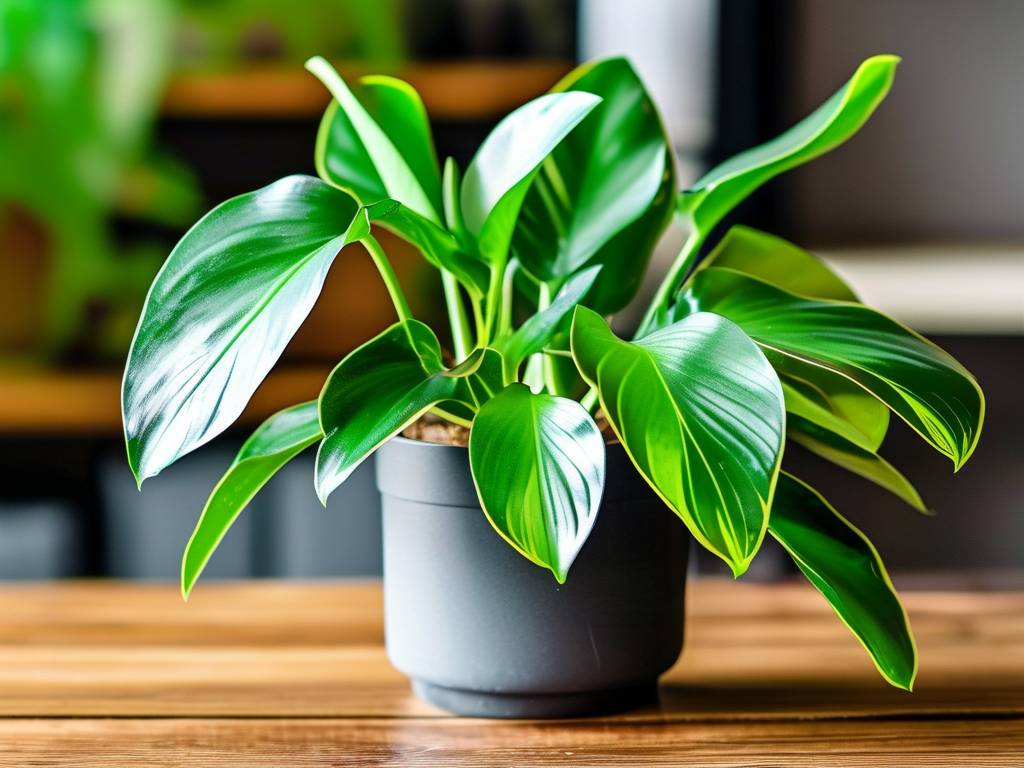
Before you make the first cut, it's crucial to understand how snake plants grow. Unlike some plants that can be propagated from a small section of leaf vein, snake plants propagate through a process called vegetative propagation using rhizomes. When you take a leaf cutting, you are encouraging the development of a new rhizome and root system from the cut tissue. This process requires patience and the right conditions. The Royal Horticultural Society (RHS) notes that Sansevieria is relatively easy to propagate from leaf cuttings, but success hinges on using healthy source material and providing consistent aftercare. This foundational knowledge is key to setting realistic expectations and following the correct steps.
Essential Tools and Materials for Success
Gathering the right tools beforehand streamlines the process and minimizes stress on both you and the plant. You will need:
- A sharp, sterilized knife or pair of pruning shears. Sterilization with rubbing alcohol prevents introducing pathogens to the fresh wound.
- A healthy, mature snake plant leaf. Choose one that is firm, deeply colored, and free from any soft spots, scars, or pest damage.
- Well-draining potting mix. A cactus or succulent blend is ideal, or you can create your own using equal parts potting soil, perlite, and coarse sand.
- Small pots or containers with drainage holes.
- Rooting hormone (optional but highly recommended for boosting success rates).
- A clean workspace and gloves if desired.
The Step-by-Step Guide to High-Success-Rate Leaf Cutting
Follow these detailed steps to maximize your chances of propagating a healthy new snake plant.
Selecting and Preparing the Perfect Leaf
Your journey to a high survival rate begins with choosing the right parent leaf. Avoid young, floppy leaves from the center of the plant. Instead, select an outer leaf that is mature, robust, and at least 4-6 inches tall. This leaf has stored more energy, giving your cutting a significant head start. Using your sterilized tool, make a clean, horizontal cut as close to the soil line as possible. A clean cut heals faster and is less susceptible to rot than a ragged tear.
The Crucial Cutting and Callusing Phase
This is the most critical step to prevent rot—the number one killer of snake plant cuttings. Lay the long leaf on a cutting board. Using your clean tool, cut the leaf into horizontal sections, each 2 to 4 inches long. It is vital to note the direction of growth. The end of the cutting that was closest to the soil (the bottom) must be planted. Mark this end with a small notch or a gentle pencil mark to avoid confusion later. The American Horticultural Society (AHA) emphasizes the importance of allowing succulent cuttings to form a callus before planting. Place all cuttings in a dry, warm location out of direct sunlight for a minimum of 48 hours, or until the cut ends have dried completely and formed a hard, seal-like layer. This callus acts as a barrier against soil-borne bacteria and fungi.
Planting Your Callused Cuttings Correctly
Once fully callused, your cuttings are ready for their new home. If using rooting hormone, dip the bottom (marked) end into the powder, tapping off any excess. Fill your small pots with the pre-moistened, well-draining potting mix. Insert each cutting about 1 inch deep, ensuring it is upright and stable. You can plant multiple cuttings in one larger pot, spacing them an inch or two apart. Do not water the cuttings immediately after planting. The pre-moistened soil provides enough humidity without being soggy.
Optimal Care During the Rooting Process
Patience is your greatest ally here. Place the potted cuttings in a location with bright, indirect light. Avoid direct sun, which can scorch the cuttings or dry them out too quickly. The ideal temperature range is between 65°F and 75°F (18°C - 24°C). Watering is the trickiest part. Wait until the soil is completely dry before giving it a thorough but gentle soak. Overwatering is the fastest way to induce rot at this delicate stage. It can take anywhere from 4 to 8 weeks for roots to begin developing, and several months before you see a new shoot, or "pup," emerge from the soil.
Troubleshooting Common Propagation Problems
Even with perfect technique, issues can arise. Here’s how to handle them:
- Cutting is Soft or Mushy: This is rot, usually caused by planting before callusing or overwatering. Remove the cutting from the soil, cut away the mushy part above the affected area, re-callus, and replant in fresh, dry mix.
- No Growth After Months: The cutting may still be developing its root system underground. As long as it remains firm, be patient. Ensure it's getting enough warmth and indirect light.
- Cutting Wrinkles or Shrivels: This indicates underwatering or excessive dryness. Give the soil a thorough drink if it's bone dry.
Transitioning Your New Pup to Regular Care
When a healthy new pup emerges and grows to a few inches tall, congratulations are in order! This new plant can be left in its pot to form a cluster or carefully separated. To separate, gently remove the entire root ball from the pot. Brush away the soil to locate the connection between the pup and the original leaf cutting. Using a clean knife, sever this connection, ensuring the pup has its own roots. Pot it up in a small container with fresh succulent mix and begin treating it like a mature snake plant, following standard care guidelines.
What if my leaf cutting grows but the new plant doesn't have the same yellow edges as the mother plant? This is a common occurrence when propagating variegated snake plant varieties, like Sansevieria trifasciata 'Laurentii'. The striking yellow margins are often a result of a genetic mutation that is not always stable through leaf propagation. The new plant may revert to the solid green form of the species. To guarantee the variegation, the plant must be propagated by division, separating the rhizomes of the existing plant.
Can I propagate a snake plant cutting directly in water? Yes, water propagation is possible and allows you to watch the roots develop. Follow the same steps for taking and callusing a cutting. Then, place the bottom end in a jar with just enough water to cover the bottom inch. Change the water weekly to prevent bacterial growth. Once roots are an inch or two long, you can transition it to soil. Be aware that water roots are different from soil roots, and the transition can sometimes shock the plant, so keep the soil slightly moist for the first few weeks after potting.
How often should I fertilize my new snake plant pup? Do not fertilize the cutting or the new pup until it is well-established in its own pot and showing active, new growth. This is typically at least 6 months after the pup appears. When you do begin, use a balanced, diluted liquid fertilizer (such as a 10-10-10 formula) at half strength, and only apply it during the active growing season (spring and summer), no more than once a month.
Mastering the technique of snake plant leaf cutting propagation unlocks the ability to expand your collection and share this resilient plant with friends. The journey from a simple leaf segment to a proud, independent plant is immensely rewarding. Remember, the pillars of success are a clean cut, a patient callusing period, a well-draining medium, and restrained watering. By providing the right conditions and managing your expectations for the timeline, you can consistently achieve a high survival rate. Embrace the process, learn from any setbacks, and enjoy the satisfaction of cultivating new life from a single leaf.