bluename
 How to Care for Succulents: Summer Water Control & Ventilation to Avoid Black Rot
There’s nothing more disheartening for a succulent enthusiast than discovering your beloved plant has developed black rot. This mushy, dark decay often strikes seemingly overnight, especially during the warm summer months. The culprit is almost always a combination of two factors: improper watering and poor ventilation. Mastering these elements is the single most important skill for keeping your succulents thriving through the heat. This guide will provide you with a clear, actionable plan for summer succulent care, focusing on precise water control and airflow management to prevent the dreaded black rot and ensure your plants remain healthy and vibrant.
Understanding the Enemy: What is Black Rot?
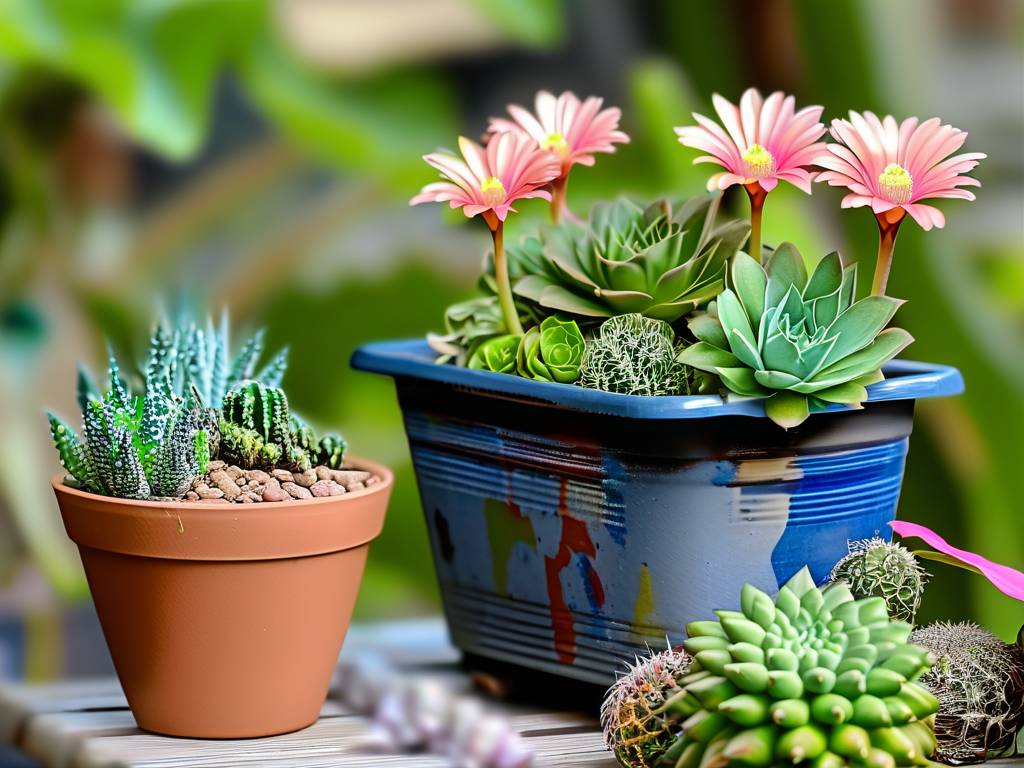
Black rot, often caused by fungi like Pythium or Phytophthora or bacterial pathogens, is a fast-moving condition where plant tissues break down, becoming soft, discolored, and foul-smelling. It typically starts at the soil line or in overwatered leaves, spreading rapidly through the plant's vascular system. Succulents are particularly susceptible in summer because warm, moist conditions create the perfect breeding ground for these pathogens. The key to prevention is creating an environment where these organisms cannot thrive.
The Golden Rule: Mastering Summer Watering for Succulents
Watering is an art form when it comes to succulents, and your approach must change with the seasons. The common mantra "water deeply but infrequently" takes on critical nuance during summer.
Forget the Schedule: Water Only When the Soil is Bone Dry
The number one mistake is watering on a calendar schedule. Instead, you must learn to "read" your plant and its soil. During summer, the goal is to allow the potting mix to dry out completely between waterings. For most succulents, this means:
- Check the Soil: Insert your finger or a wooden skewer at least 2 inches into the pot. If you feel any moisture or soil sticks to the skewer, wait.
- Observe the Leaves: A well-hydrated succulent has firm, plump leaves. As it uses its water reserves, the leaves will soften slightly and may show subtle wrinkles. This is your plant's signal that it's ready for a drink.
- Consider the Weather: During a heatwave, soil may dry faster, but the plant might also be stressed and dormant. Don't assume faster drying means more frequent watering.
The Soak and Dry Method: Technique is Everything
When it is time to water, do it properly.
- Water Deeply: Take your plant to a sink or outdoor area and water thoroughly until a significant stream runs freely from the drainage hole. This ensures the entire root ball gets moisture, encouraging strong, deep root growth.
- Drain Completely: Never let your succulent sit in a saucer of water. After watering, tip the pot to remove any excess water that has collected. This step is non-negotiable for preventing root rot.
- Dry Quickly: Ensure your plant is in a well-ventilated area after watering so excess moisture on leaves and in the soil evaporates quickly.
According to the Royal Horticultural Society (RHS), "Overwatering is the most common cause of plant death. Cacti and succulents need periods of dryness to mimic their natural habitat." This expert guidance underscores the importance of a disciplined drying period.
The Critical Role of Airflow in Preventing Succulent Rot
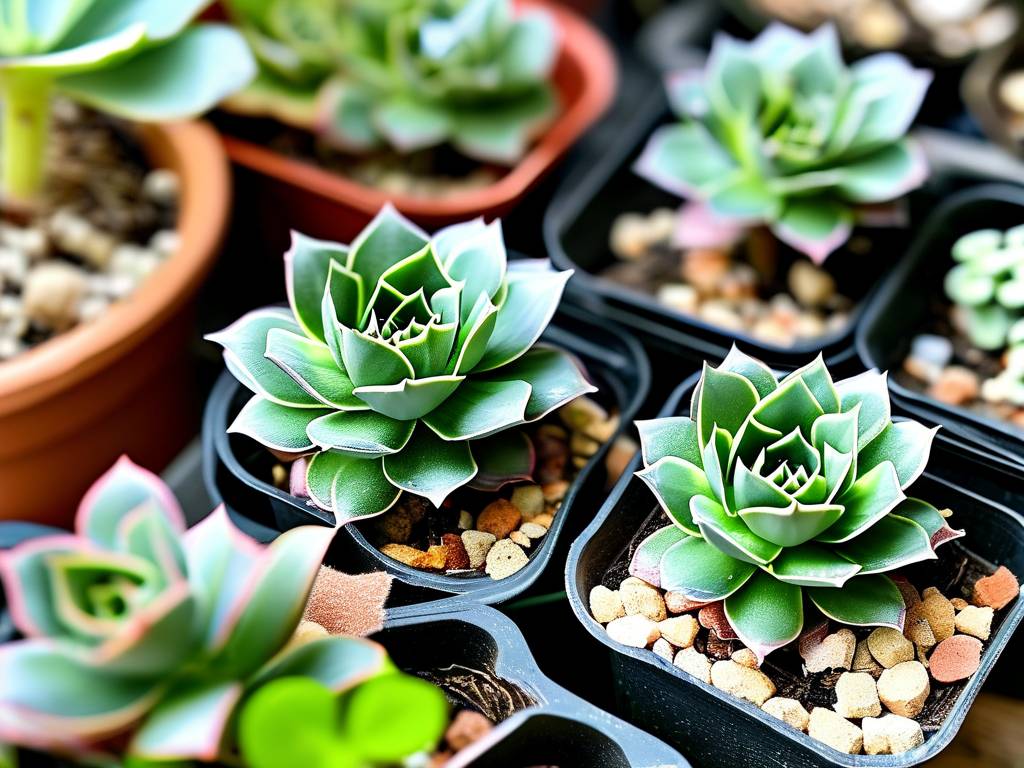
While water control addresses moisture from below, ventilation manages moisture from above and around the plant. Stagnant, humid air is a silent killer for succulents in summer.
Why Your Succulents Need to Breathe
Good airflow serves multiple essential functions:
- Dries Leaves and Soil: It accelerates the evaporation of water from the soil surface and from any droplets on leaves, denying pathogens a wet surface to colonize.
- Strengthens Plants: Gentle air movement encourages stronger stem growth and can help regulate the plant's temperature.
- Discourages Pests: Many pests, like fungus gnats and mealybugs, prefer still, humid conditions.
Practical Tips for Maximizing Ventilation
You don't need a wind tunnel; consistent, gentle airflow is ideal.
- Strategic Placement: Don't crowd your plants. Leave ample space between pots on a shelf or windowsill. Avoid pushing them into corners where air doesn't circulate.
- Use a Fan: Indoors, a small oscillating fan set on low, placed at a distance, can dramatically improve air circulation. Never point a strong fan directly at plants, as this can cause dehydration.
- Outdoor Advantage: If possible, moving succulents to a shaded patio or under a pergano with bright, indirect light provides natural, excellent airflow. The American Horticultural Society (AHS) notes that "air movement is a key component of integrated pest management and disease prevention in the garden," a principle that applies directly to container-grown succulents.
Choosing the Right Soil and Pot: The Foundation of Health
Your watering and ventilation efforts will fail if the plant is in the wrong foundation. The right soil and pot are your first line of defense.
The Perfect Well-Draining Succulent Mix
A quality succulent and cactus mix is designed to drain rapidly. For even better results, many experts recommend amending a commercial mix with additional inorganic materials.
- Ideal Blend: A 1:1 ratio of potting soil to perlite or pumice is excellent. For extra-sensitive plants, use a grittier mix with more inorganic components.
- Function: These gritty particles create air pockets in the soil, preventing compaction, improving root zone aeration, and allowing water to flow through instantly.
Pot Selection: Drainage is Non-Negotiable
The pot you choose is equally critical.
- Drainage Hole Required: Always use a pot with at least one drainage hole. This is not a suggestion—it is an absolute rule for succulent care.
- Material Matters: Porous materials like unglazed terracotta are superior for summer. They "breathe," allowing moisture to evaporate through the pot walls, which helps the soil dry faster than plastic or glazed ceramic pots.
Recognizing Early Signs and Taking Action
Despite your best efforts, problems can arise. Early detection is key to saving a plant.
Early Warning Signs of Overwatering and Rot
- Leaves turning translucent, yellow, or feeling mushy.
- A stem that feels soft or looks darkened at the base.
- Slowed or stopped growth during the growing season.
Emergency Surgery: How to Save a Rotting Succulent
If you spot black rot, act immediately.
- Unpot and Inspect: Gently remove the plant from its soil and brush away all dirt from the roots.
- Sterilize and Cut: Using a sterile knife or scissors, cut away all black, brown, or mushy parts of the stem and roots. Cut until you see only healthy, firm, green or white tissue.
- Let it Callus: Place the saved plant portion in a shady, well-ventilated spot for several days to a week until the cut end forms a dry, hard callus.
- Re-root: Once callused, place it on top of dry, well-draining soil. Do not water until new roots begin to form, which can take several weeks.
Can I water my succulents on a weekly schedule in summer? No, a fixed schedule is the most common path to overwatering. Summer watering frequency depends entirely on factors like temperature, humidity, pot material, and plant type. Always use the "bone dry" soil test as your guide, not the calendar.
My succulent is indoors with air conditioning. Does it still need extra ventilation? Yes. While AC lowers temperature, it can also create pockets of still air. Indoor environments, especially with closed windows, often lack sufficient natural airflow for succulents. A gentle fan remains beneficial to prevent moisture stagnation around the leaves and soil surface.
Is misting a good way to water succulents or cool them down in summer? Absolutely not. Misting wets the leaves and crowns without providing water to the roots, creating the exact humid microclimate that promotes fungal and bacterial growth, leading directly to rot. It offers no meaningful cooling benefit and should be avoided entirely.
Keeping your succulents free from black rot this summer boils down to a simple but disciplined philosophy: create a dry, breezy environment. By mastering the soak-and-dry watering method, prioritizing strong airflow, and using the correct gritty soil and drainage pots, you work with your plant's natural biology rather than against it. Pay close attention to the subtle signals your succulents give you—the slight give of a thirsty leaf, the speed at which the soil dries—and adjust your care accordingly. With these practices, you can enjoy robust, healthy succulents that not only survive the summer heat but truly thrive in it.