 bluename
 How to Care for Bougainvillea: Summer Sun Protection to Prevent Leaf Wilt
You’ve nurtured your bougainvillea, eagerly awaiting its spectacular show of vibrant bracts. But as the summer sun intensifies, you notice the once-lush green leaves starting to curl, turn brown at the edges, or wilt dramatically. This common yet distressing sight can leave any gardener feeling frustrated. The culprit is often not neglect, but an imbalance in care during peak heat. Understanding how to care for bougainvillea, specifically through strategic summer sun protection, is the key to preventing leaf wilt and ensuring a thriving, colorful plant all season long.
The dazzling beauty of bougainvillea is synonymous with sunny, warm climates. However, there’s a critical difference between preferring sun and enduring extreme, scorching heat. While these plants are sun-lovers, prolonged exposure to intense, direct afternoon sunlight—especially when combined with other stressors—can push them past their limit, leading to heat stress and leaf damage.
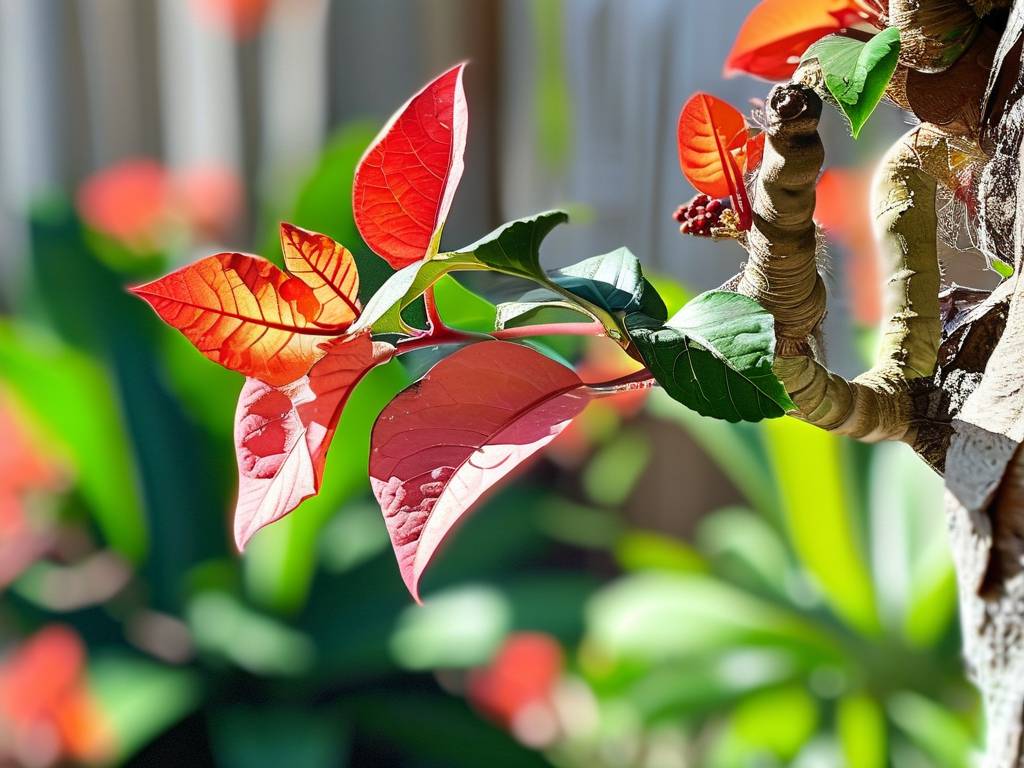
Understanding Bougainvillea Heat Stress and Leaf Wilt
Leaf wilt is the plant’s primary distress signal. When the rate of water loss from the leaves (transpiration) exceeds the water uptake from the roots, the leaves lose turgor pressure and droop. In summer, this can happen for two main reasons: genuine underwatering, or a more complex scenario where the roots are unable to keep up with demand due to environmental extremes.
True heat stress goes beyond simple wilting. Look for these signs:
- Leaf Scorch: Leaves develop dry, brown, or bleached patches, particularly on the edges and surfaces most exposed to the sun.
- Leaf Curl: Leaves curl inward in an attempt to reduce their surface area and minimize water loss.
- Premature Leaf Drop: The plant may shed older or most-damaged leaves to conserve resources.
- Stunted Growth or Lack of Blooms: The plant shifts all energy into survival, halting new growth and flower production.
As noted by the American Horticultural Society (AHS), many plants, including sun-adapted varieties like bougainvillea, can experience photoinhibition—a reduction in photosynthetic efficiency—when light intensity is too high. This directly impacts the plant’s health and vigor.
Your Essential Summer Sun Protection Strategy
Protecting your bougainvillea from excessive summer sun is a multi-faceted approach. It’s not just about providing shade, but about creating a holistic environment where the plant can thrive despite the heat.
Optimal Watering Practices for Hydration Balance
Watering is your first line of defense, but precision is crucial. The goal is deep, consistent moisture without waterlogging.
- The Deep Watering Method: Water slowly and thoroughly at the base of the plant, allowing moisture to penetrate deep into the root zone. This encourages roots to grow downward, seeking cooler, more reliable water sources. A shallow sprinkle only dampens the topsoil and encourages weak surface roots that are vulnerable to heat.
- Perfect Timing: Water early in the morning. This allows the plant to fully hydrate before the day’s heat begins and gives any moisture on the foliage time to evaporate, reducing the risk of fungal diseases. Avoid evening watering, as damp foliage overnight can invite mildew.
- The Finger Test is Your Guide: Forget a fixed schedule. Insert your finger 2-3 inches into the soil. If it feels dry, it’s time to water. If it’s still moist, wait another day. Container plants will need checking much more frequently than in-ground plants.
Creating Protective Shade During Peak Hours
Providing respite from the harshest afternoon sun (typically from 2 PM to 6 PM) can dramatically reduce heat stress. This is a core technique for bougainvillea summer care to avoid wilting.
- Use Temporary Shade Cloth: A 30-50% shade cloth positioned on the south or west side of the plant can filter the intense light. It’s a simple, effective solution for potted specimens on patios or sensitive in-ground plants.
- Employ Natural Sunbreaks: Strategically place taller, heat-tolerant plants or use a movable patio umbrella to cast afternoon shade. The idea is not to plunge the bougainvillea into deep shadow but to break the intensity of the direct rays.
- Container Advantage: For potted bougainvilleas, don’t underestimate the power of relocation. Moving a pot to prevent bougainvillea leaf scorch to a spot with bright morning sun and dappled afternoon light for the hottest months can be a game-changer.
Root Zone Cooling and Mulching Magic
The temperature of the soil directly affects root function and water uptake. Hot soil stresses roots and accelerates evaporation.
- Apply a Thick Mulch Layer: This is non-negotiable for summer bougainvillea heat stress prevention. Apply a 2-4 inch layer of organic mulch (like wood chips, bark, or straw) around the base of the plant, keeping it a few inches away from the main stem. Mulch acts as an insulating blanket, keeping the root zone significantly cooler and retaining precious soil moisture. The Royal Horticultural Society (RHS) emphasizes that mulching is one of the most beneficial practices for maintaining soil moisture and moderating soil temperature.
Container-Specific Considerations for Potted Bougainvillea
Potted plants face amplified challenges. Their root systems are confined, and pots can heat up like an oven.
- Pot Material Matters: Switch dark, plastic, or metal pots to light-colored ceramic, clay, or fabric grow bags. Light colors reflect heat, while materials like clay allow for breathability, helping to keep roots cooler.
- Double-Potting Technique: Place your nursery pot inside a larger, decorative pot. The air gap between the two provides excellent insulation against heat.
- Elevate Pots: Use pot feet or bricks to lift containers off hot surfaces like concrete or decking. This improves air circulation and prevents the drainage holes from being sealed against a scorching hot patio.
Seasonal Adjustments to Fertilization and Pruning
Your summer care routine must adapt. Avoid high-nitrogen fertilizers in peak summer, as they promote tender, leafy growth that is more susceptible to heat and water stress. Instead, use a balanced or bloom-boosting fertilizer (higher in potassium) at half-strength. Similarly, avoid heavy pruning in the height of summer. The existing foliage provides shade for the stems and helps with transpiration. Save major shaping cuts for late winter or early spring.
What are the first signs of bougainvillea sun damage? The earliest signs are often a slight wilting or drooping of leaves during the hottest part of the day, even if the soil is damp. This may progress to leaves feeling dry or papery, developing yellow or pale patches that eventually turn brown and crispy (leaf scorch), particularly on the south-facing side of the plant.
Can a bougainvillea recover from severe leaf scorch? Yes, it can be remarkably resilient. Once you implement proper sun protection and watering, the plant will focus energy on new growth. Prune away only the most severely damaged, crispy branches and leaves. As long as the stems are still pliable and green underneath the bark, recovery is likely. Be patient; new leaves may take several weeks to appear.
Is it better to grow bougainvillea in full sun or partial shade in very hot climates? In extremely hot, desert-like climates, providing afternoon shade for bougainvillea is highly beneficial and often necessary. Aim for a location that receives a minimum of 5-6 hours of direct morning sun, followed by filtered or partial shade during the intense afternoon heat. This provides the light energy it needs for blooming while offering protection from the most damaging rays.
Success with bougainvillea in summer hinges on mindful observation and proactive care. It’s about partnering with the plant’s natural needs rather than fighting against the elements. By mastering the balance of deep, timely watering, creating intelligent shade during peak heat, and diligently cooling the root zone with mulch, you transform the challenging summer months from a period of survival into a season of sustained vitality. Your reward will be a bougainvillea that not only withstands the heat but continues to produce its breathtaking papery blooms, proving that with the right protection, its vibrant display knows no seasonal bounds.





