bluename
 How to Care for Cacti: Summer Sun Protection to Prevent Sunburn
You’ve nurtured your cactus all year, watching it thrive, only to find unsightly, pale, or brown scorched patches marring its surface after a few intense summer days. This common frustration highlights a critical aspect of cactus care often misunderstood: while cacti love sunlight, they are not immune to sun damage. Learning how to care for cacti with proper summer sun protection is essential to prevent sunburn and ensure your spiky friends remain healthy and vibrant.
Sunburn on a cactus isn't just cosmetic; it's a form of cellular damage. The plant's tissues, adapted to specific light levels, can be overwhelmed by sudden, intense exposure, particularly the harsh, prolonged rays of summer. This guide will walk you through everything you need to know about shielding your cactus from the summer sun, ensuring it enjoys the light without suffering the burn.
Understanding Cactus Sunburn: More Than Just a Tan
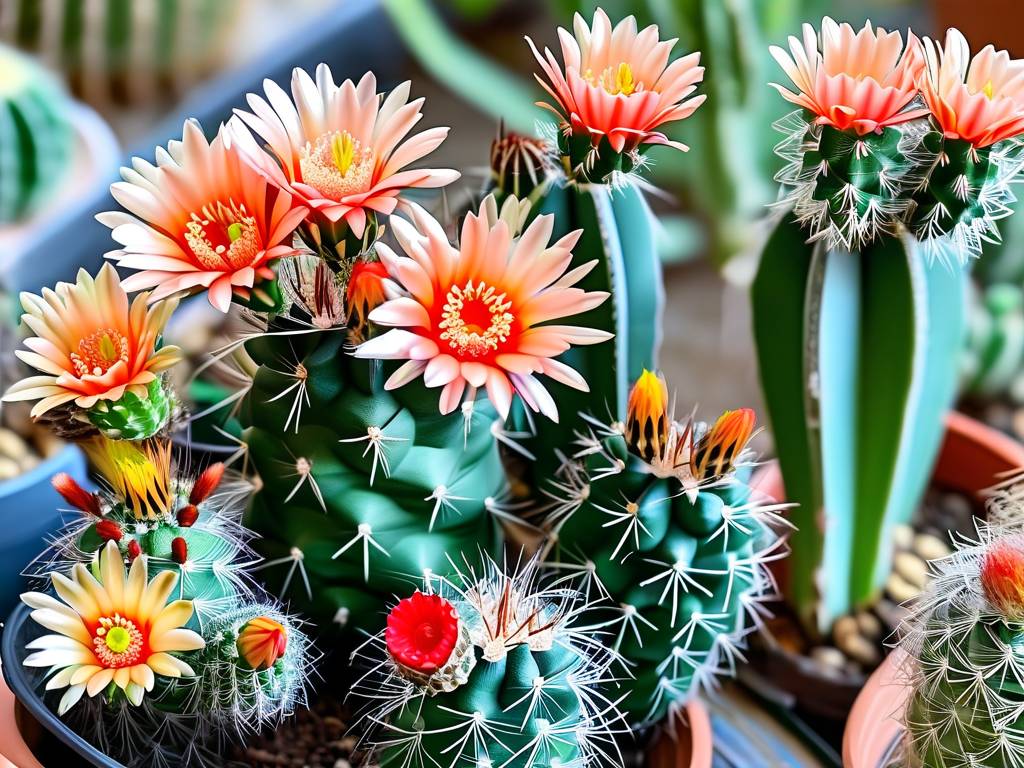
Before we dive into protection, let's understand the enemy. Cactus sunburn occurs when the plant is exposed to more ultraviolet (UV) radiation than it can handle. This often happens in two scenarios: when a cactus that has been kept indoors or in shade is abruptly moved into direct, full sun, or when a summer heatwave brings unexpectedly intense and persistent sunlight.
The damage manifests as discoloration. You might see yellowing, bleaching to a pale white, or hardening into a brown, corky scar. These scorched areas are permanently damaged; they will not revert to green. Severe burns can compromise the plant's ability to photosynthesize and create entry points for pathogens. According to insights from the Arizona-Sonora Desert Museum, while desert cacti are supremely adapted to high light, their adaptations are for acclimated exposure. Even native saguaros can experience stress during periods of extreme, unrelenting summer heat.
Key Strategies for Effective Cacti Sun Protection
Protecting your cactus is a proactive process. It involves understanding your plant's needs, managing its environment, and knowing how to respond if damage occurs.
1. The Art of Gradual Acclimation (Hardening Off)
This is the single most important step in preventing cactus sunburn. Never shock your plant with a sudden change in light.
If your cactus has spent winter indoors or in a shaded greenhouse, it needs a slow introduction to summer sun. Begin by placing it in an area that receives bright, but indirect, light or only morning sun (which is less intense) for 1-2 weeks. Morning sun exposure is an excellent starting point for summer cactus care. Gradually increase its time in direct sun by an hour or so every few days over the course of 3-4 weeks. Watch closely for any signs of stress, such as slight color change or redness (a normal sign of acclimation) versus obvious bleaching.
This process, often called "hardening off," allows the cactus to develop protective pigments and thicker epidermal layers to shield itself. The Royal Horticultural Society (RHS) emphasizes that gradual exposure is crucial for all sun-loving plants moved outdoors for the summer, not just cacti, to avoid fatal transplant shock.
2. Strategic Placement and Shading Techniques
Where you place your cactus for the summer can make all the difference.
- Utilize Microclimates: Observe your garden or balcony throughout the day. A spot that gets blazing afternoon sun might be too harsh. Opt for a location that gets plentiful morning sun but is protected during the peak intensity hours of 11 am to 3 pm. The east side of a building is often ideal.
- Employ Shade Cloth: For collections on a patio, rooftop, or in a very sunny yard, shade cloth is a gardener's best friend. A 30-50% density shade cloth mounted above your plants diffuses the sunlight, reducing intensity while still providing ample brightness. This is a highly effective method for protecting cacti from sunburn during heatwaves.
- Use Companion Planting or Structures: Larger plants, latticework, or even an umbrella can provide dappled shade during the hottest part of the day.
- Don't Forget Container Choice: Light-colored pots reflect heat, while dark-colored pots absorb it and can literally bake the roots. In hot climates, choose light-colored ceramic or clay pots to keep the root zone cooler.
3. The Critical Role of Proper Watering
Hydration and sun tolerance are directly linked. A well-hydrated cactus is better equipped to handle heat stress. During active summer growth, water your cactus thoroughly when the soil is completely dry. Soak the soil until water runs from the drainage holes, then allow it to dry out fully before watering again.
Crucially, never water a cactus in the heat of the midday sun. Water droplets can act as magnifying glasses, focusing sunlight and causing minute burns on the skin. Always water in the early morning or late evening. The American Horticultural Society (AHS) advises that morning watering is optimal, as it allows the plant to take up water before the day's heat and reduces evaporation loss.
4. Recognizing and Treating Sunburn Damage
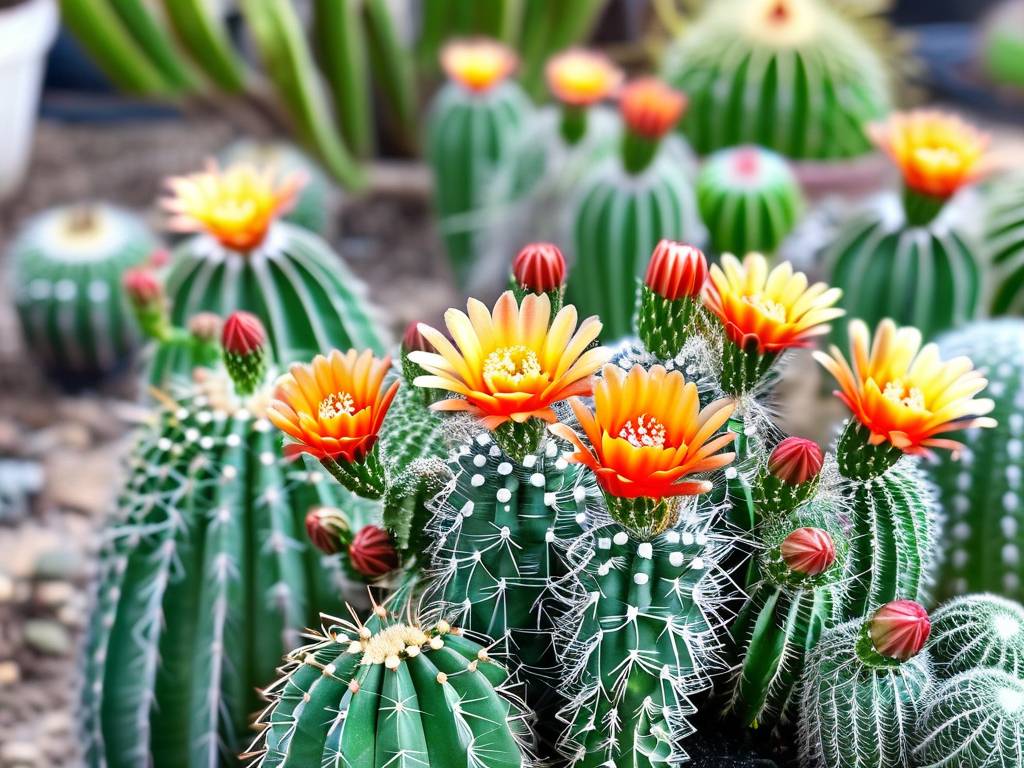
Despite your best efforts, sunburn can happen. Here’s what to do:
- Identify the Damage: Differentiate between sunburn and other issues like fungal rot (which is often mushy and smelly) or pest damage. Sunburn is dry, scarred, and localized to the areas most exposed to light.
- Move to Shade Immediately: At the first sign of bleaching or browning, relocate the cactus to a bright, shaded area to prevent further damage.
- Do Not Remove the Scar: The burned, corky tissue acts as a natural bandage. Cutting it away can open the plant to infection. Allow it to remain; it will become a permanent, if unsightly, part of the plant's history.
- Monitor for Health: The plant will compartmentalize the damage. Ensure it has optimal conditions (good air flow, proper water) to support the healthy, undamaged portions as it recovers. New growth will emerge unaffected if the cause is corrected.
Special Considerations for Different Cactus Types
Not all cacti are created equal. Forest cacti like Christmas Cactus (Schlumbergera) or Orchid Cacti (Epiphyllum) naturally grow under tree canopies and require bright, indirect light—they will burn quickly in direct summer sun. Desert cacti (like Echinocactus, Ferocactus, Mammillaria) are more tolerant but still require acclimation. Seedlings and young plants of any species are far more susceptible to sun damage than mature, established specimens and need gentler light.
FAQs: Your Cactus Sun Protection Questions Answered
Can a sunburned cactus recover? Yes, a cactus can recover from sunburn in the sense that it will continue to live and grow. However, the scarred tissue will not heal or turn green again. The plant will grow around the damage. The key is to remove the source of stress immediately to prevent further injury and allow the plant to focus energy on new, healthy growth.
How often should I water my cactus in the summer sun? There is no universal schedule. Watering frequency depends on factors like temperature, pot size, soil mix, and plant size. The universal rule is to water deeply only when the soil is completely dry to the touch. In peak summer heat, this might be every 7-10 days for a potted cactus outdoors, but always check the soil first. When in doubt, wait a day or two.
Is afternoon sun or morning sun better for cacti? Morning sun is almost always preferable for cacti summer sun protection. It is bright but less intense, with lower heat levels than the harsh, scorching rays of the afternoon. Most cacti will thrive with 4-6 hours of direct morning sun followed by bright, indirect light or light shade in the afternoon. This pattern provides the energy they need without the extreme stress.
Caring for cacti in the summer is a balance between providing the abundant light they crave and protecting them from the extremes that can cause harm. Success lies in the gradual introduction to sunlight, thoughtful placement, mindful watering practices, and vigilant observation. By viewing intense sun not just as a friend but as a force to be respectfully managed, you can enjoy healthy, unblemished cacti that thrive through the hottest seasons. Remember, the goal is to mimic the ideal conditions of their native habitat—where sun, shade, and seasonal rhythms exist in a careful, natural balance.