bluename
 How to Care for Fiddle Leaf Fig - Mastering Summer Ventilation to Prevent Leaf Drop
You’ve nurtured your fiddle leaf fig into a lush, statement-making beauty, only to watch in dismay as summer arrives and leaves begin to yellow, brown, and drop. This seasonal setback is a common and frustrating pain point for many plant parents. The culprit often isn't just heat or light—it's poor air circulation. Stagnant, humid air around your fiddle leaf fig creates a breeding ground for stress and disease, directly leading to that heartbreaking leaf drop. This guide will transform your approach to summer ventilation for fiddle leaf figs, providing you with a clear, actionable strategy to keep your plant thriving through the hottest months.
Understanding the vital link between air movement and your plant's health is the first step. We'll move beyond basic care into the nuanced practices that prevent leaf drop and promote vigorous growth.
Why Your Fiddle Leaf Fig Needs Breezy Summers
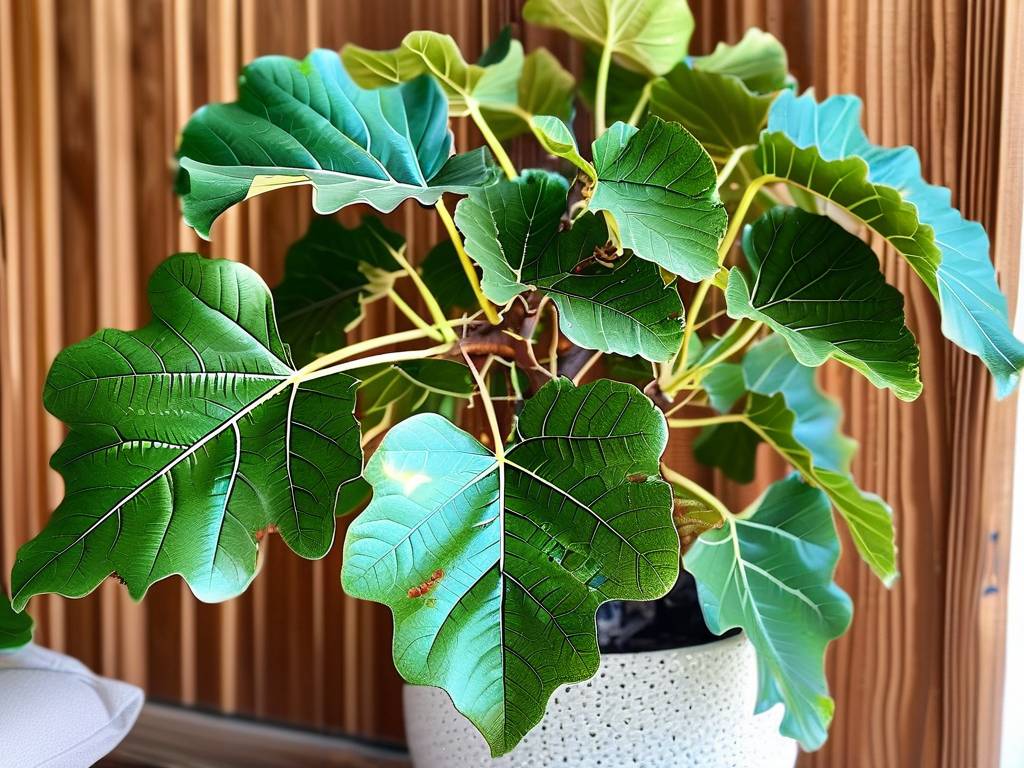
Fiddle leaf figs (Ficus lyrata) are native to the warm, lowland rainforests of West Africa. While this origin suggests a love for humidity, a key detail is often missed: in their natural habitat, air is constantly moving. This gentle wind strengthens stems, aids in transpiration (the plant's cooling system), and, most critically, disrupts spore settlement and pest infestations.
In our sealed, climate-controlled homes, we provide the warmth and humidity but often neglect the air flow. According to principles emphasized by horticultural authorities like the Royal Horticultural Society (RHS), good ventilation is non-negotiable for healthy indoor plants. It prevents the micro-climate around leaves from becoming overly humid, which can lead to fungal issues like powdery mildew or leaf spot—common precursors to leaf drop.
Simply put, stagnant air suffocates your fig. Without a breeze, the plant struggles to regulate its moisture, nutrients, and temperature, forcing it to shed leaves to conserve resources.
The Direct Link: Stagnant Air and Leaf Drop
Leaf drop is your fiddle leaf fig's distress signal. When air doesn't move:
- Transpiration Slows: The plant cannot effectively pull water and nutrients from its roots up through its stems and leaves.
- Humidity Pockets Form: Water vapor released by the plant lingers on and around the leaves, creating a perfect environment for pathogens.
- Soil Drying Becomes Uneven: Without air flow, the soil surface may feel dry while the core remains soggy, leading to root stress from both under and over-watering.
This combination of physiological stress and increased disease risk overwhelms the plant. Shedding older or less efficient leaves becomes a survival tactic. By addressing ventilation, you address the root cause of this summer-specific stress.
Your Step-by-Step Summer Ventilation Strategy
Implementing an effective airflow system doesn't require fans blowing gales 24/7. It's about consistent, gentle movement.
Strategic Fan Placement is Key
Avoid pointing a fan directly at your fiddle leaf fig, as this can cause constant leaf flutter and moisture loss akin to windburn. Instead, use an oscillating fan placed several feet away. Set it on a low or medium setting and angle it so the breeze circulates around the plant and across the room. The goal is to see the leaves sway gently every so often, not constantly rustle.
For larger rooms, consider a ceiling fan on a low, reversible setting (set to blow air downward in summer). This creates a whole-room convection current, benefiting all your plants.
The Magic of Cross-Ventilation
Whenever outdoor temperatures are favorable—typically in the early morning or evening—create a cross-breeze. Open windows on opposite sides of the room. This natural exchange pulls stale, humid air out and brings fresh, carbon-dioxide-rich air in. Even 20-30 minutes of this daily can dramatically improve your plant's microclimate. Always ensure your fig is not in the path of a hot, direct draft from an air conditioner or a cold draft in cooler evenings.
Pruning for Internal Airflow
Sometimes, the plant itself blocks airflow. A dense, bushy fiddle leaf fig can have a crowded interior where leaves touch and moisture gets trapped.
Carefully prune one or two of the innermost leaves or smaller branches that are growing inward. This opens up the plant's structure, allowing light and air to penetrate its center. Always use clean, sharp shears and make cuts just above a leaf node. The American Horticultural Society (AHS) advises that thoughtful pruning not only improves air circulation but also encourages the plant to direct energy into new, healthy growth.
Balancing Humidity with Movement
Many plant owners increase misting or humidifier use in summer. This is beneficial, but only with concomitant air flow. Misting leaves in still air can leave water droplets sitting for hours, inviting fungal disease. If you mist, do it in the morning when followed by daytime air movement, which helps water evaporate. A better alternative is to use a humidifier in the room while maintaining gentle air circulation from a fan—this raises ambient humidity without wetting the leaves directly.
Integrating Ventilation with Overall Summer Care
Ventilation doesn't work in isolation. It synergizes with your other care routines.
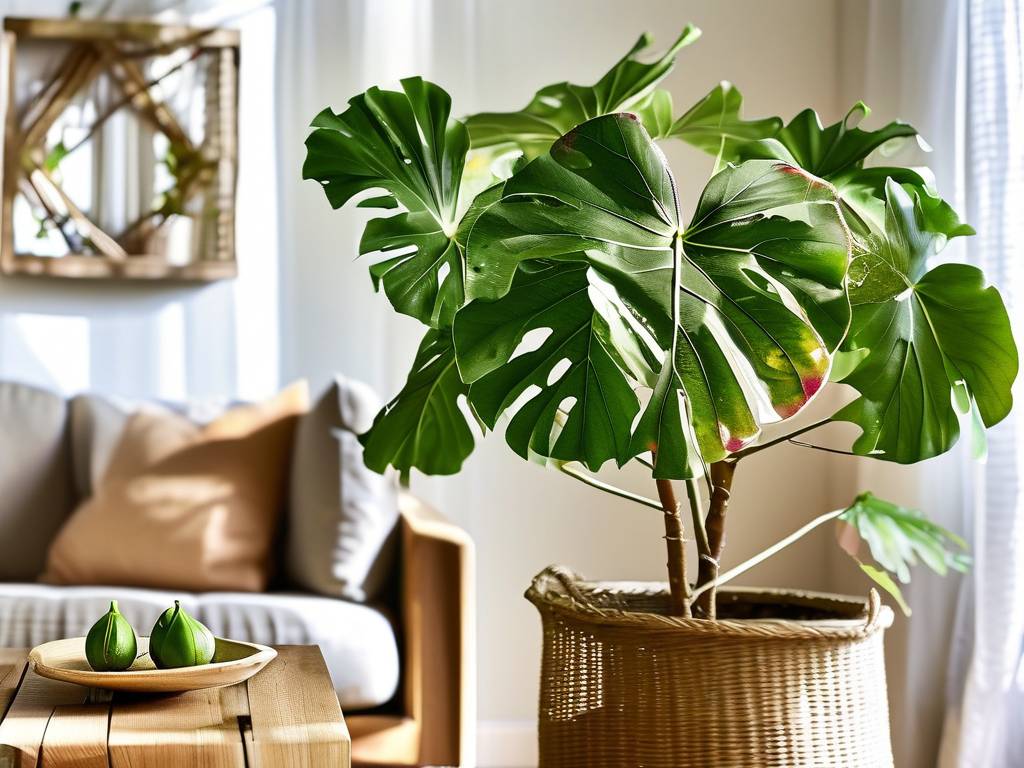
Watering Adjustments: With improved air flow, soil may dry slightly faster. Always check the soil moisture before watering. Insert your finger two inches deep; water only when it feels dry at that depth. Proper ventilation helps prevent overwatering, the number one killer of fiddle leaf figs.
Light Requirements: Maintain your plant in bright, indirect light. Good air flow can help mitigate heat buildup on leaves from strong summer sun. If your plant is near a hot west-facing window, ventilation becomes even more critical to prevent scorching.
Cleaning the Leaves: Dust is an airflow blocker. Every few weeks, gently wipe each leaf with a damp, soft cloth. This removes dust, maximizes the leaf's ability to breathe and photosynthesize, and gives you a chance to inspect for pests.
Troubleshooting Common Ventilation Scenarios
- "My room has no windows I can open." Use an oscillating fan consistently. Consider an air purifier with a gentle circulation mode, as they move air while filtering it.
- "I run the A/C all summer." Air conditioning dehumidifies but can create strong, cold, direct drafts. Keep your fig away from the direct blast of the A/C vent. Use a fan to diffuse the cooled air more gently around the room.
- "My plant is in a corner." Corners are notorious for dead air. Either move the plant a few feet out into the room or be extra diligent about using a fan to direct flow into that corner.
Frequently Asked Questions
Can I just put my fiddle leaf fig outside for the summer? Proceed with extreme caution. A sudden move to full outdoor sun will scorch the leaves. If you wish to acclimate it, start in deep, full shade and move it gradually over several weeks to a spot with only dappled morning light. Always ensure it's protected from strong winds, which can tear the large leaves. For most, mastering indoor ventilation is a safer, more effective strategy.
How often should I run the fan for my plant? Aim for consistency rather than duration. Running an oscillating fan on low for 8-12 hours during the day is ideal. You can use a timer to automate this. The goal is to mimic the natural, intermittent breezes of its habitat, not a constant hurricane-force wind.
Are there signs that my ventilation efforts are working? Absolutely. Within a few weeks, you should notice a halt in abnormal leaf drop. New leaves may emerge more readily and be sturdier. The plant will have an overall perkier, more resilient appearance. The soil will also dry more evenly, making your watering schedule more reliable.
Mastering summer care for your fiddle leaf fig hinges on recognizing it as a dynamic, breathing organism. By prioritizing gentle, consistent air movement, you solve the hidden problem behind seasonal leaf drop. Combine strategic fan use with mindful watering, proper light, and clean leaves, and you create an environment where your fig doesn't just survive the summer—it thrives, growing taller and fuller, turning that common pain point into a showcase of your expert care. The difference is in the details, and the detail your plant has been silently craving is simply a breath of fresh air.