bluename
 How to Care for Monstera Deliciosa - Summer Watering to Avoid Root Rot
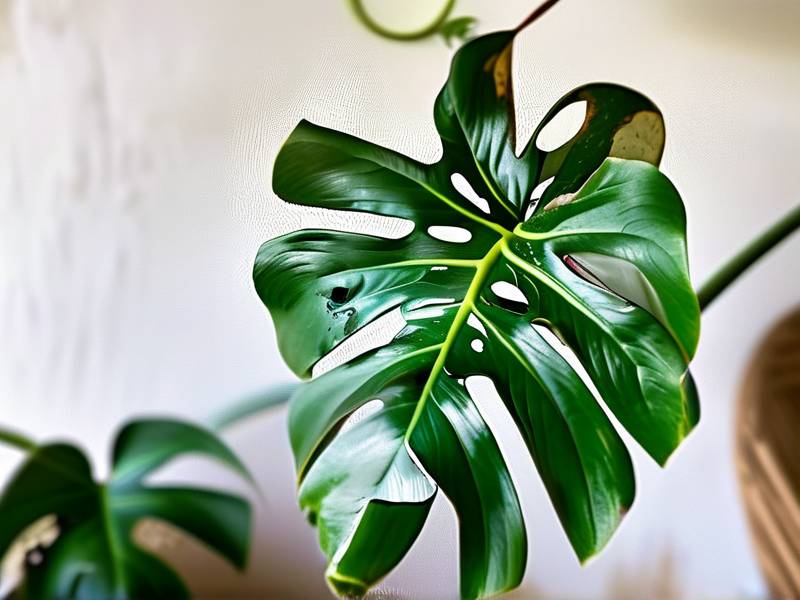
There's nothing more disheartening for a plant parent than seeing their beloved Monstera deliciosa, with its iconic split leaves, start to yellow, wilt, or develop black spots at the base. Often, the culprit behind this summer distress is not neglect, but an act of overzealous love: overwatering. As temperatures rise, our watering habits must adapt. This guide is dedicated to mastering the art of summer watering for your Swiss Cheese Plant, providing a clear, step-by-step approach to keep it thriving while avoiding root rot—the silent killer of indoor greenery.
Understanding the unique needs of your Monstera during the warmer months is the first step toward prevention.
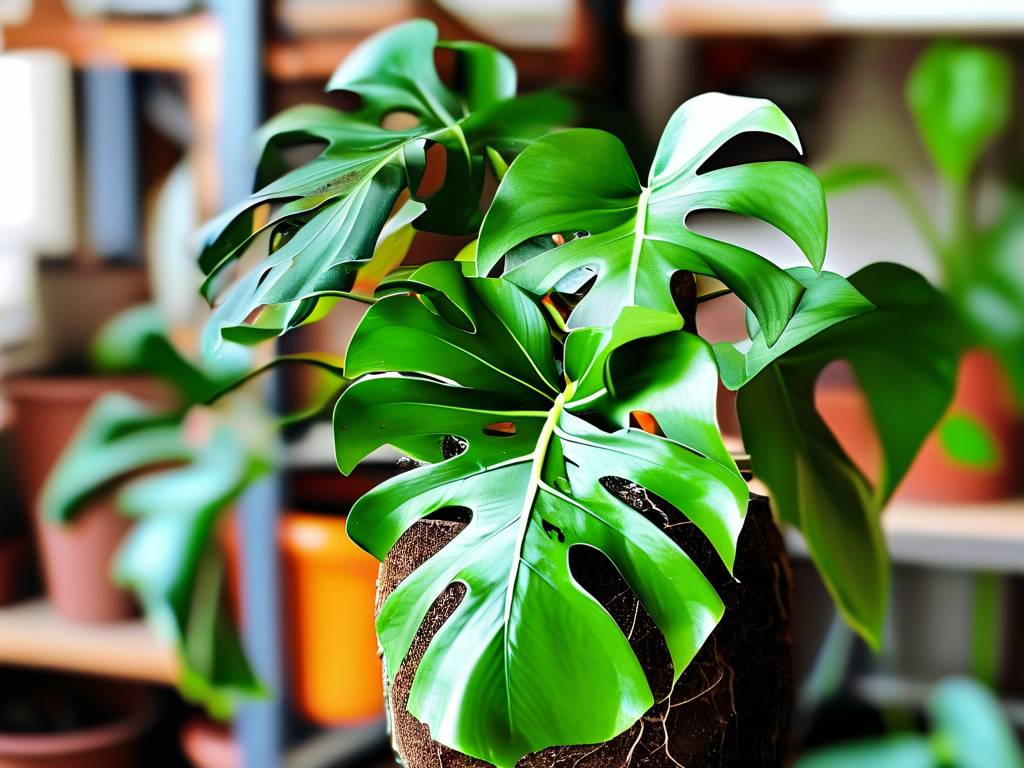
Why Summer Poses a Higher Risk for Monstera Root Rot
Your Monstera deliciosa enters a more active growth phase in summer, spurred by increased light and warmth. While it may seem logical to water more frequently to support this growth, the situation is nuanced. Higher temperatures increase the rate of evaporation from the soil surface, but they also affect the plant's internal processes and the soil environment.
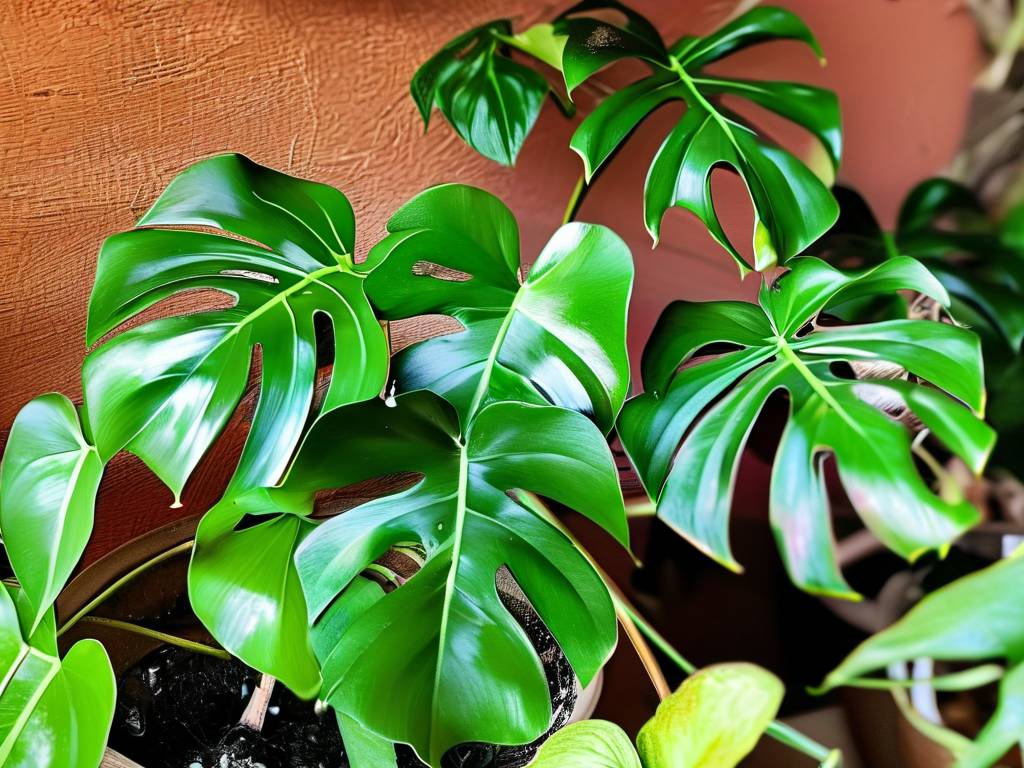
Crucially, warm, moist soil is the perfect breeding ground for anaerobic bacteria and fungi that cause root rot in Monstera deliciosa. These pathogens thrive in waterlogged conditions where oxygen is scarce. Overwatering essentially suffocates the roots, damaging their ability to absorb water and nutrients—a cruel irony where more water leads to a dehydrated plant. The Royal Horticultural Society (RHS) emphasizes that "root death due to waterlogging is one of the most common problems in container-grown plants," highlighting the universal nature of this issue.
The Golden Rule: Check the Soil, Not the Calendar
The most fundamental shift you can make is to water based on need, not a schedule. The top few inches of soil should be your primary guide.
Insert your finger into the potting mix up to your second knuckle (about 2-3 inches deep). If the soil feels dry at that depth, it's time to water. If it still feels cool or moist, wait. For those who prefer a less messy method, a simple wooden chopstick or a moisture meter can provide an accurate reading. The goal is to allow the root zone to approach dryness between waterings, promoting healthy root growth as they seek out moisture.
Perfecting Your Watering Technique for Summer
How you water is just as important as when you water. The "drench and drain" method is universally recommended by experts, including those at the American Horticultural Society (AHS), who advocate for thorough watering that mimics a natural, heavy rain shower.
Take your Monstera to a sink, bathtub, or outdoor space. Water slowly and evenly over the entire soil surface until you see water flowing freely from the drainage holes at the bottom of the pot. This ensures the entire root ball is evenly moistened. Allow the pot to drain completely for 15-30 minutes before returning it to its decorative cache pot or saucer. Never let the plant sit in a saucer of standing water, as this creates the perpetually wet conditions that lead to Monstera deliciosa summer care failures.
The Critical Role of Pot and Soil in Moisture Management
Your watering efforts can be undermined by an inappropriate pot or soil mix. The right foundation is non-negotiable.
Ensure your pot has ample drainage holes. Terracotta pots are excellent for Monsteras because they are porous, allowing the soil to dry out more evenly from the sides as well as the top. For plastic or ceramic pots, be extra vigilant with your soil checks. The potting mix itself should be chunky, airy, and well-draining. A standard houseplant soil amended with 30-50% perlite, orchid bark, or coconut coir creates an ideal structure. This mix retains enough moisture for the roots while allowing excess water to drain away quickly and air to circulate, directly combating the causes of root rot.
Recognizing the Early Warning Signs of Trouble
Vigilance can save your plant. Early symptoms of overwatering and impending root rot include:
- Yellowing leaves, often starting with the older, lower leaves.
- Leaves that feel soft, limp, or mushy, not just dry and crispy.
- A general appearance of wilting despite wet soil.
- Black or brown, soft spots on stems or at the base of the plant.
- A musty or sour smell emanating from the soil.
If you notice these signs, stop watering immediately. Investigate by gently removing the root ball from the pot. Healthy Monstera roots are firm and white or light tan. Roots affected by rot will be dark brown or black, mushy, and may fall apart to the touch. They often have an unpleasant odor.
Emergency Care: How to Save a Monstera from Root Rot
If you discover root rot, act quickly. Remove all the wet soil and gently rinse the roots. Using sterilized pruning shears or scissors, cut away every single soft, rotten root back to healthy, firm tissue. Be ruthless; any remaining rot will spread. After pruning, you can soak the remaining healthy root system in a diluted hydrogen peroxide solution (1 part 3% peroxide to 3 parts water) for a few minutes to disinfect. Repot the plant into a clean pot (or the old one, scrubbed with a bleach solution) with fresh, dry, well-draining potting mix. Do not water immediately; wait several days to allow any root wounds to callous over, then resume a very careful watering regimen.
How often should I water my Monstera in summer? There is no one-size-fits-all answer, as it depends on your home's temperature, humidity, and light. Typically, a thorough watering every 1-2 weeks may be sufficient, but always let the soil dryness be your definitive guide. The top 2-3 inches should be dry before you water again.
Can misting help with summer care for my Monstera? Misting provides a temporary boost in humidity but does not significantly impact soil moisture or prevent root rot. To increase humidity more effectively, group plants together, use a pebble tray with water, or employ a humidifier. Focus your efforts on correct soil watering rather than leaf misting.
My Monstera is in a low-light spot. How does that affect summer watering? Light level is the primary driver of a plant's water use. A Monstera in lower light will grow more slowly and use water much less frequently than one in bright, indirect light. You must extend the time between waterings significantly for plants in lower light, even in summer, to prevent the soil from staying wet for too long.
Mastering summer watering is about embracing a rhythm of observation and response. By prioritizing deep, infrequent waterings based on soil dryness, ensuring impeccable drainage through pot and soil choice, and staying alert to early signs of distress, you create an environment where your Monstera deliciosa can channel the summer's energy into vigorous growth. Remember, a little restraint with the watering can often be the greatest gift you give your plant, safeguarding its roots and ensuring it remains a stunning, healthy focal point in your home for years to come.