bluename
 How to Care for Philodendron Selloum - Summer Shade to Prevent Yellow Leaves
There’s nothing more disheartening for a plant parent than watching the lush, deeply lobed leaves of a Philodendron Selloum start to turn yellow. As summer’s intensity builds, this common issue often points to one critical, yet manageable, factor: improper light exposure. Mastering the art of providing summer shade is not just about preventing yellow leaves; it’s about unlocking the secret to a thriving, vibrant tropical showcase in your home or garden. This guide will walk you through everything you need to know about Philodendron Selloum summer care, with a dedicated focus on light management to maintain perfect foliage health.
Understanding Your Philodendron Selloum’s Light Needs
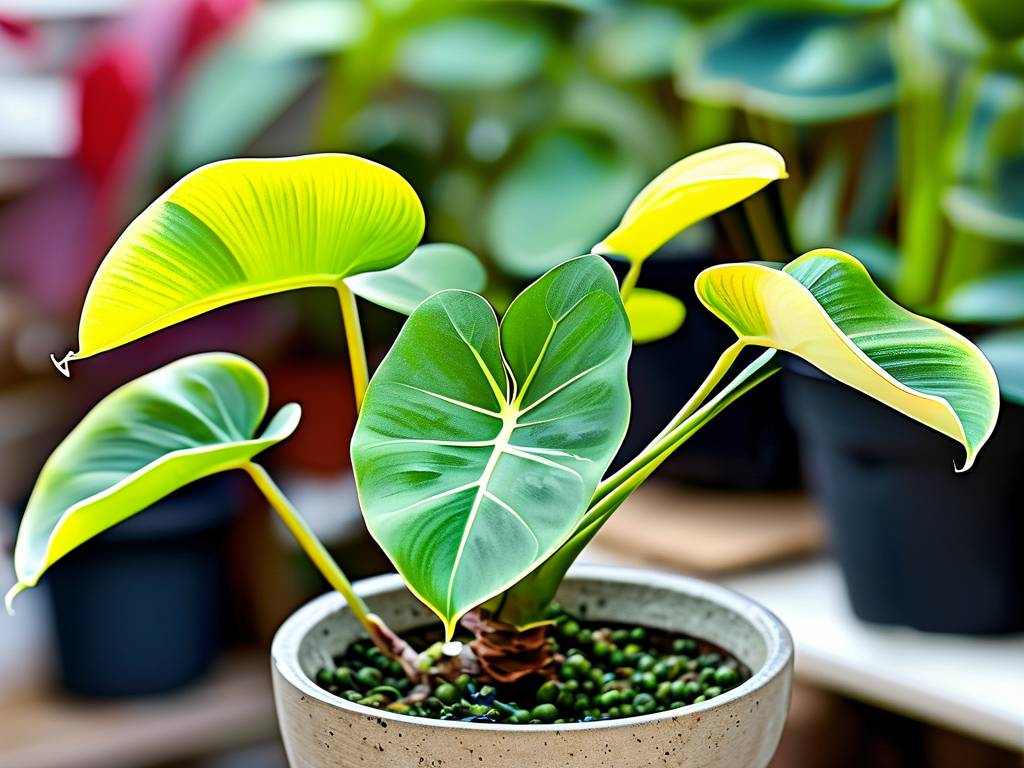
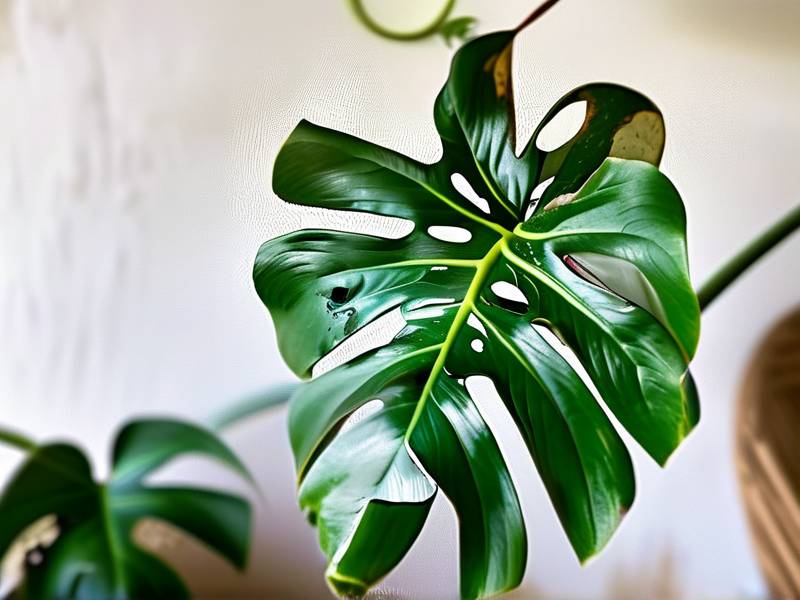
Native to the tropical rainforests of South America, the Philodendron Selloum (also known as Philodendron bipinnatifidum or Tree Philodendron) is a classic example of an understory plant. In its natural habitat, it thrives under the dappled canopy of taller trees, receiving bright but indirect light. Direct, harsh sunlight—especially the potent rays of summer—is foreign and damaging to its system.
When exposed to excessive direct sun, the leaves undergo photoinhibition. Simply put, the plant’s photosynthetic machinery gets overwhelmed and damaged. The first and most visible sign is chlorosis—the yellowing of leaves. This starts as pale patches or yellow spots, often on the areas facing the sun, and can progress to full leaf yellowing, crispy brown edges, and scorched patches. It’s the plant’s distress signal, indicating that its light environment is causing more harm than good.
Crafting the Perfect Summer Shade Strategy
Providing shade isn’t about plunging your plant into deep darkness. It’s about replicating that sweet spot of filtered, bright indirect light. Here’s your actionable plan for preventing yellow leaves on Philodendron Selloum through intelligent shading.
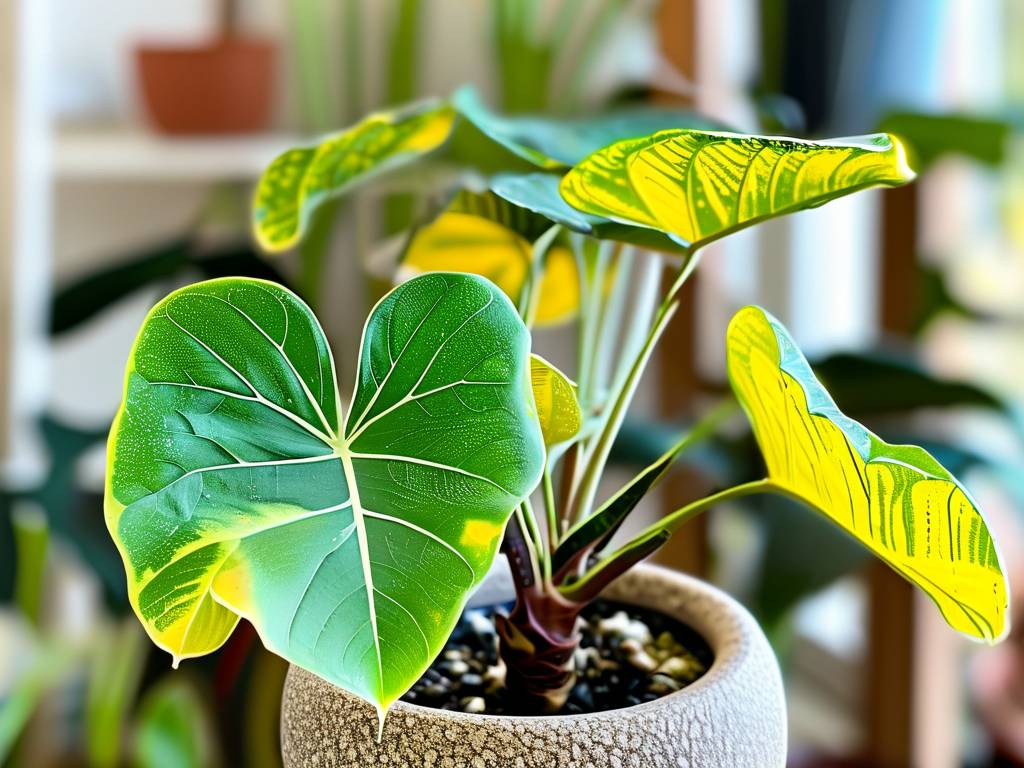
Assess Your Current Light Situation Start by observing the light patterns in your space throughout a sunny day. A south or west-facing window, while ideal in winter, can become a solar furnace in summer. East-facing windows typically offer the gentler morning sun, which is usually tolerable, but afternoon western exposure is the primary culprit for leaf scorch. North-facing light is often too dim for robust growth. Use your hand to cast a shadow on the leaves during peak sun hours; a soft, fuzzy shadow indicates good indirect light, while a sharp, well-defined shadow means the direct sun is too strong.
Implement Shading Solutions
- Sheer Curtains or Blinds: These are your most effective and adjustable tools. A lightweight white sheer curtain diffuses harsh sunlight, transforming it into the perfect gentle glow your Selloum craves.
- Strategic Relocation: For the summer months, consider moving the plant a few feet back from a sunny window, into the room’s interior where the light is still bright but indirect. A pedestal stand can place it perfectly in a bright corner.
- Outdoor Shade Management: If your Philodendron Selloum summers outdoors, this is non-negotiable. Place it under a pergola, a dense tree canopy, or on a covered patio that receives no direct midday or afternoon sun. A 40-60% shade cloth is an excellent investment for patios or balconies with intense exposure, as recommended by many horticultural extensions for protecting understory foliage plants.
- Natural Filters: Utilize other plants or structures. Placing your Selloum behind a taller, sun-tolerant plant can create a natural dappled light effect.
Beyond Shade: Holistic Summer Care for Leaf Health
While light is paramount, yellow leaves can sometimes be a symptom of other care aspects exacerbated by summer conditions. A holistic approach ensures you’re addressing all factors.
Watering in Harmony with Light and Heat Summer often means increased evaporation and transpiration. However, a plant in perfect shade may not dry out dramatically faster than in spring. The key is to water based on soil moisture, not the calendar. Insert your finger into the top 2-3 inches of soil. Water thoroughly only when this layer feels dry. Overwatering in a panic about heat is a common mistake that leads to root rot—another major cause of yellowing leaves. Ensure your pot has excellent drainage.
Humidity: The Invisible Comfort Philodendron Selloum adores humidity, which helps it transpire efficiently and keeps leaf pores (stomata) functioning optimally. Summer air can be dry, especially indoors with air conditioning. As noted by the American Horticultural Society, maintaining ambient humidity is crucial for tropical foliage health. Boost humidity by:
- Grouping plants together to create a microclimate.
- Using a pebble tray filled with water placed beneath the pot (ensure the pot sits on the pebbles, not in the water).
- Running a humidifier nearby.
- Regular misting can offer a temporary boost, though it’s less effective than other methods.
Nutrition Without Overload Summer is the prime growing season, so your plant is actively using nutrients. A balanced, water-soluble fertilizer (e.g., a 20-20-20 formula) applied at half-strength once a month during spring and summer is sufficient. Over-fertilization can cause fertilizer burn and yellowing leaf margins. When in doubt, err on the side of less. Flushing the soil with water every few months can prevent salt buildup.
The Role of Proper Potting Mix A well-aerated, chunky potting mix is foundational. It supports the roots, allows for oxygen flow, and prevents waterlogging. A mix containing peat, perlite, orchid bark, and charcoal provides the ideal structure. Repotting is best done in spring, but if you suspect root issues, address them promptly regardless of season.
Expert Insights on Light Stress and Recovery
Research on plant physiology consistently shows that light stress disrupts chlorophyll production and can lead to oxidative damage within leaf cells. The Royal Horticultural Society (RHS) advises that for foliage plants showing signs of scorch, “the immediate action is to move the plant to a shadier location and remove any severely damaged leaves to improve its appearance and prevent potential disease entry points.”
If your Philodendron Selloum already has yellow leaves, don’t despair. Leaves that are entirely yellow or have large scorched areas will not recover. Using clean, sharp shears, prune these away to redirect the plant’s energy to new, healthy growth. Leaves with minor yellowing or spots may stabilize if the stressor is corrected. Be patient; recovery and the emergence of new, perfectly formed leaves are the best signs of success.
Why are the new leaves on my Philodendron Selloum smaller than the old ones? This is frequently a light issue. While you may have prevented yellowing with shade, the plant might not be receiving enough bright, indirect light to support large leaf development. Try incrementally increasing light exposure without introducing direct sun, or consider supplementing with a grow light during the darker months.
Can a yellow leaf turn green again? No, once a leaf has turned yellow due to factors like light stress or nutrient deficiency, the chlorophyll is broken down and cannot be restored. The leaf should be removed. The focus should be on ensuring the plant’s future growth is healthy.
My plant is in shade, but the leaves are still turning yellow. What else could it be? Consistent overwatering is the next most likely cause, leading to soggy soil and root rot. Check the roots—healthy roots are firm and white or tan, while rotten roots are mushy and brown/black. Other possibilities include a severe nutrient deficiency (like nitrogen), pests (check the undersides of leaves), or a drastic temperature drop.