bluename
 How to Care for Rubber Plant: Summer Sun Protection to Prevent Sunburn
You’ve nurtured your rubber plant (Ficus elastica) into a stunning, glossy-leaved centerpiece, only to find unsightly brown, crispy patches marring its beautiful foliage as summer intensifies. This common and frustrating issue is a clear sign of leaf scorch or sunburn, a direct result of excessive light exposure. Understanding how to care for rubber plant during the sunniest months is crucial to prevent this damage and maintain its vibrant health. While these tropical natives love bright light, the intense, direct rays of summer sun can be too harsh, leading to stressed, burned leaves that cannot be reversed. This guide will provide you with a complete, step-by-step strategy for summer sun protection, ensuring your rubber plant not only survives but thrives through the hottest season.
Understanding Your Rubber Plant’s Light Needs
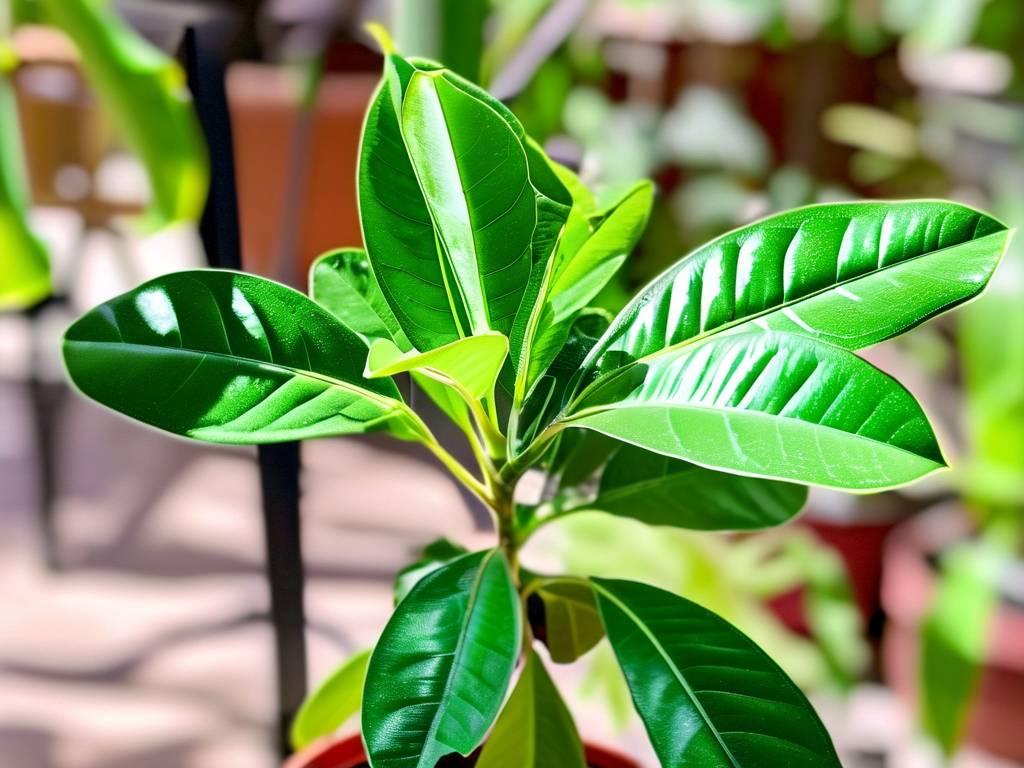
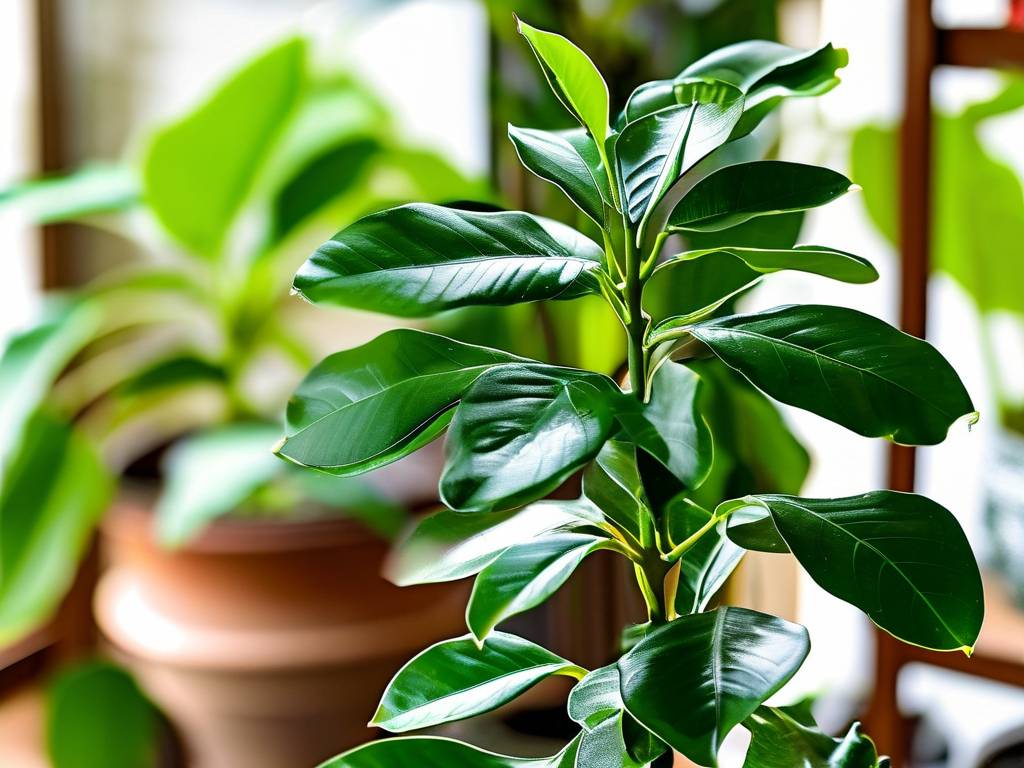
Rubber plants originate from the tropical forests of Southeast Asia, where they grow under the dappled canopy of taller trees. This natural habitat is key to understanding their light preferences. They are adapted to receive plenty of bright, but filtered or indirect, light. They are not true sun worshippers like cacti or succulents.
In your home, this translates to a spot with abundant ambient light. An east-facing window is often ideal, providing gentle morning sun. A few feet back from a south or west-facing window, where the light is bright but direct rays are diffused by a sheer curtain or distance, is also perfect. The goal is to replicate that bright, sheltered understory environment.
Why Summer Sun Causes Sunburn on Rubber Plants
The summer sun is fundamentally different from winter sun. Its angle is higher, and its intensity is significantly greater. What was a perfectly suitable spot by a south window in December can become a scorching hotspot in July. The ultraviolet radiation in direct summer sunlight damages the plant’s leaf tissues, specifically the chlorophyll and cell membranes.
According to principles outlined by the Royal Horticultural Society (RHS), sunburn occurs when a plant loses water from its leaves faster than its roots can absorb it from the soil, exacerbated by intense heat and light. The leaf tissue literally cooks and dies, resulting in those characteristic bleached, tan, or brown crispy patches. These patches are permanent; the leaf will not heal. Prevention is the only cure.
Step-by-Step: Protecting Your Rubber Plant from Summer Sun
1. Assess and Adjust Its Location The first and most critical step is to evaluate your plant’s current position. If it’s directly in a line of unfiltered summer sun for more than an hour or two, it’s at risk. Gently move it back from the window by 3 to 6 feet. Alternatively, relocate it to an east-facing room where it will receive only the milder morning sun. Observe the plant over the following days. Leaves that were previously angled toward the light should begin to grow more evenly.
2. Employ Light Diffusion Techniques If moving the plant isn’t feasible, diffuse the light. Sheer curtains, blinds, or even a static-cling window film designed to filter UV rays are excellent solutions. They break up the direct beams into the soft, scattered light your rubber plant craves. This simple adjustment can mean the difference between a burned plant and a flourishing one.
3. Monitor and Rotate Regularly Make it a weekly habit to check on your rubber plant. Look for early warning signs like a slight paling or yellowing of leaves facing the window, or leaves feeling unusually warm to the touch. Regularly rotating the pot a quarter turn ensures all sides receive even light, preventing one side from becoming stressed and encouraging symmetrical growth.
4. Optimize Watering for Summer Heat Increased light and temperature accelerate photosynthesis and transpiration (water loss). Your rubber plant will likely need more frequent watering in summer. However, the mantra “water deeply but infrequently” still applies. Always check the soil first: the top 1-2 inches should be dry before you water again. Thoroughly soak the soil until water runs from the drainage holes, then allow it to drain completely. Consistent, appropriate hydration helps the plant better cope with brighter conditions.
5. Maintain Proper Humidity Rubber plants appreciate moderate to high humidity, which helps keep their leaf pores functioning optimally. Dry, hot air from air conditioning or summer heat can compound stress. Boost humidity by grouping plants together, using a pebble tray filled with water placed beneath the pot (ensure the pot sits on the pebbles, not in the water), or running a humidifier nearby. The American Horticultural Society (AHA) notes that maintaining adequate ambient humidity can reduce a plant’s susceptibility to environmental stressors like intense heat.
6. Hold Off on Fertilizer During Heat Stress If your plant shows any signs of sun stress—bleaching, curling leaf edges, or scorch marks—do not fertilize it. Fertilizing a stressed plant forces it to engage in energy-intensive growth when it should be focusing on recovery and survival. Resume a balanced, diluted feeding regimen only when the plant is in a stable, protected location and shows healthy new growth.
What to Do If Sunburn Occurs
Despite your best efforts, you might still find a scorched leaf. Here’s how to manage it:
- Diagnose Correctly: First, confirm it’s sunburn and not underwatering (which causes crispy brown edges) or overwatering (which causes soft, mushy brown spots, often starting in the middle of the leaf or at the base).
- Prune Strategically: If a leaf is severely damaged (over 50% affected), use clean, sharp scissors or pruners to remove it at the stem. This improves aesthetics and allows the plant to redirect energy to healthy growth.
- Leave Minor Damage: For small, localized scorch marks, you can simply leave the leaf. It still contributes to photosynthesis. Focus on correcting the light issue to prevent further damage.
- Practice Patience: Do not make multiple drastic changes at once. Relocate the plant once to a better spot, adjust your watering, and then give it several weeks to acclimate and produce new, healthy leaves.
Common Questions About Rubber Plant Summer Care
Can I put my rubber plant outside for the summer? Yes, but with extreme caution. Acclimate it slowly over 7-10 days, starting in full shade, then moving to dappled shade. Never place it in direct outdoor sun, which is far more intense than indoor light. A covered patio or under a dense tree canopy is ideal. Always bring it back inside well before nighttime temperatures drop below 50°F (10°C).
My rubber plant’s new leaves are smaller and paler than before. Is this sun-related? This is more likely a sign of insufficient light, not too much. While pale leaves can indicate bleaching from too much sun, consistently small new growth often points to a need for more bright, indirect light. Re-evaluate its position to ensure it’s receiving enough ambient brightness without the direct harsh beams.
How can I tell if my rubber plant is getting the right amount of light? The plant itself will tell you. Ideal conditions result in steady growth of large, firm, deeply colored leaves. The stems are strong, not leggy or stretched. If growth is slow and leaves are widely spaced on a stretching stem, it needs more light. If leaves are bleaching, scorching, or feeling hot, it needs less direct exposure. The key is finding that sweet spot of bright, indirect light.
Protecting your rubber plant from summer sun is an exercise in observation and subtle adjustment. By understanding its natural preferences and proactively managing its light exposure, you can effortlessly prevent the distress of sunburn. The goal is not to hide your plant in a dark corner, but to thoughtfully shield it from the most intense rays, allowing it to bask in the gentle brightness it loves. With these protective measures in place, you can enjoy the lush, dramatic presence of a healthy rubber plant all year long, without the worry of crispy brown leaves. Consistent care tailored to the seasons is the true secret to long-term success with this popular and rewarding houseplant.