bluename
 How to Care for Zamioculcas Zamiifolia: Summer Water Control to Avoid Root Rot
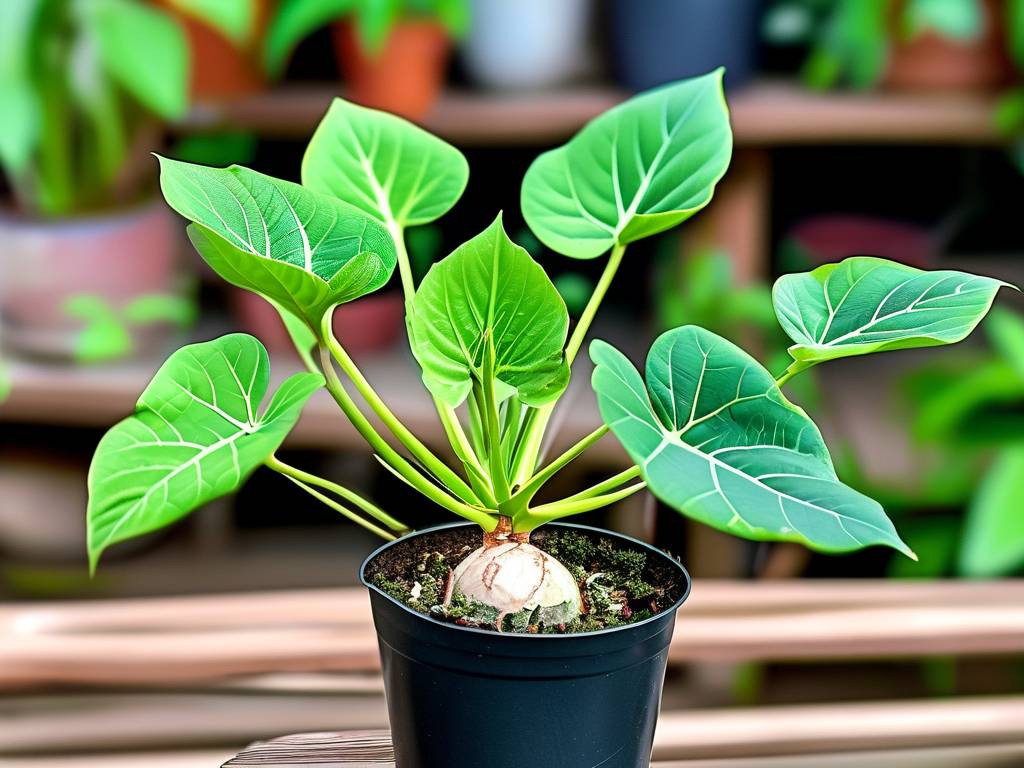
You’ve brought home a beautiful, glossy Zamioculcas zamiifolia, often called the ZZ plant, celebrated for its toughness and air-purifying qualities. It thrives on neglect, they said. Yet, as summer temperatures rise, you notice something alarming: yellowing leaves, a telltale sign of distress. The most common, and often fatal, mistake with these resilient plants isn’t underwatering—it’s overwatering, especially during the warm months. This guide will provide you with a clear, actionable plan for summer water control to prevent root rot and ensure your ZZ plant not only survives but flourishes.
Understanding the ZZ Plant’s Natural Rhythms
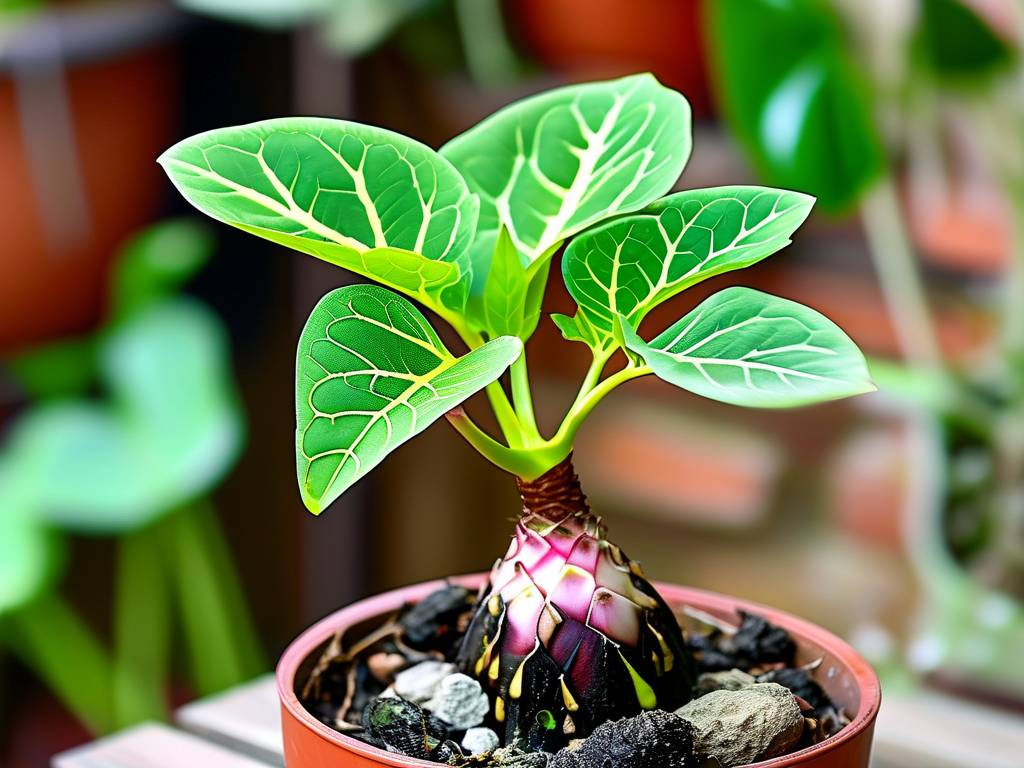
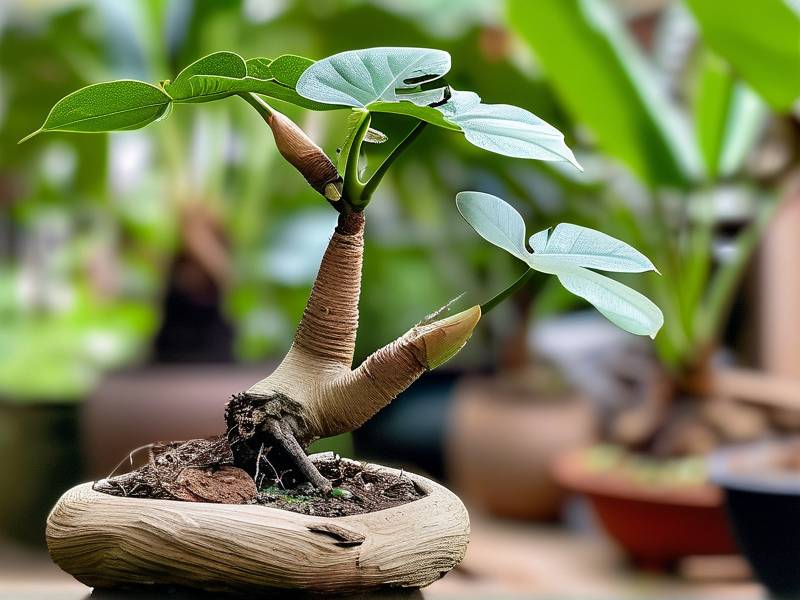
To water correctly, you must first understand your plant’s biology. Native to eastern Africa, Zamioculcas zamiifolia is a drought-tolerant succulent. It stores water in its thick, potato-like rhizomes (underground stems) and fleshy leaf stalks. This evolutionary adaptation means it is programmed to withstand dry periods. During summer, while growth may accelerate slightly with increased light, its water-storage capacity remains its primary survival tool. Overwatering directly counteracts this natural design, suffocating the roots and rhizomes.
Why Summer Poses the Greatest Risk for Root Rot
Summer creates a perfect storm for overwatering. Higher temperatures and longer days might intuitively suggest your plant is thirstier. However, several factors interplay, increasing the risk of root rot.
- Evaporation vs. Absorption: While topsoil may dry faster, the plant’s metabolism and water uptake may not increase at the same rate, especially if it’s not in direct, blazing sun. Watering on a fixed schedule can leave the core of the pot soggy.
- Reduced Airflow in Soil: Consistently moist soil in a warm environment has reduced oxygen, which roots desperately need. This anaerobic condition invites harmful fungi and bacteria that cause root rot.
- The Deceptive “Dry Surface”: The top inch of soil can feel bone dry, tricking you into watering, while the lower layers surrounding the rhizomes are still saturated. This is the most common pitfall.
A Step-by-Step Guide to Summer Watering for a Healthy ZZ Plant
Forget the calendar. Your watering schedule should be dictated by one thing: the soil’s moisture level deep within the pot.
The Golden Rule: The “Dry-Down” Method
Before you even think about reaching for your watering can, you must check the soil. Do not water if the surface is dry. Instead, insert your finger or a wooden chopstick deep into the potting mix, near the edge of the pot. If it comes out with damp soil clinging to it, or if you feel moisture past the second knuckle, wait. Water only when the soil is completely dry all the way through. In summer, this might mean watering every 3-4 weeks, or even longer, depending on your home’s humidity and light conditions.
Perfecting Your Watering Technique
When it’s finally time to water, do it thoroughly and correctly.
- Use the Soak and Drain Method: Take your plant to the sink or bathtub. Water slowly and evenly over the soil surface until you see water freely running out of the drainage holes. This ensures the entire root ball is hydrated.
- The Critical Drainage Step: Let the pot sit in the sink for at least 30 minutes to allow all excess water to escape. Never let your ZZ plant sit in a saucer of standing water. As the Royal Horticultural Society (RHS) advises for succulents, “Ensure complete drainage after watering to prevent waterlogging at the roots.”
- Return to its Spot: Only return the plant to its decorative cover pot or saucer once it has fully stopped dripping.
Optimizing Your Plant’s Environment
Watering is only half the battle. Creating an environment that supports dry-down is crucial.
- The Right Pot: Always use a pot with ample drainage holes. Terracotta pots are excellent for ZZ plants as they are porous, allowing soil to dry more evenly from the sides.
- The Right Soil: A well-draining, chunky potting mix is non-negotiable. Use a cactus/succulent mix, or amend a standard potting soil with 30-50% perlite or orchid bark to dramatically improve aeration and drainage. The American Horticultural Society’s Plant Care Guide emphasizes that “a fast-draining medium is essential for plants prone to root rot.”
- Light and Airflow: Place your ZZ plant in bright, indirect light. More light helps the plant use water more efficiently. Good air circulation around the plant also aids in soil drying.
Recognizing and Rescuing a ZZ Plant from Root Rot
Despite your best efforts, early signs may appear. Act fast if you see:
- Widespread yellowing leaves, particularly starting from the lower stems.
- Stems that feel mushy or look blackened at the base.
- A foul, musty odor coming from the soil.
The Emergency Repot Protocol:
- Gently remove the plant from its pot and wash all soil from the roots and rhizomes.
- With sterile, sharp scissors, cut away any soft, brown, or blackened roots and rhizomes. Healthy roots are firm and white.
- Let the plant’s root system air dry for several hours.
- Repot into a clean pot (same size or slightly smaller) with fresh, dry, well-draining succulent mix.
- Do not water. Wait at least one week before giving it a very modest drink, then return to the strict “dry-down” watering rule.
How often should I water my ZZ plant in summer? There is no universal schedule. The frequency depends entirely on your home’s light, temperature, and humidity. Always use the “dry-down” test—water only when the soil is completely dry throughout the pot. For most indoor environments, this typically translates to a deep watering every 3 to 4 weeks during summer.
My ZZ plant has a few yellow leaves. Is it always root rot? Not necessarily. It’s normal for an older leaf to occasionally yellow and die off as the plant grows. However, if multiple leaves are yellowing, especially across the plant and accompanied by soft stems, overwatering and root rot are the prime suspects. Isolated yellow leaves can also result from sudden changes in light or temperature.
Can I use a moisture meter for my ZZ plant? Yes, a moisture meter can be a helpful tool, especially for deeper pots. Insert the probe near the bottom of the pot to get an accurate reading of the moisture level around the rhizomes. Remember to calibrate and clean your meter occasionally for best results.
Mastering the care of your Zamioculcas zamiifolia hinges on respecting its drought-adapted nature. Summer demands extra vigilance, shifting your focus from watering on a routine to responding to the plant’s actual needs. By adhering to the “dry-down” rule, ensuring impeccable drainage with the right pot and soil, and understanding the signs of trouble, you transform the risk of root rot from a common killer into a preventable issue. Your ZZ plant’s lush, enduring beauty is a direct reward for this simple, mindful approach to hydration.