How to Care for Pilea Peperomioides: 7 Essential Tips for a Thriving Chinese Money Plant
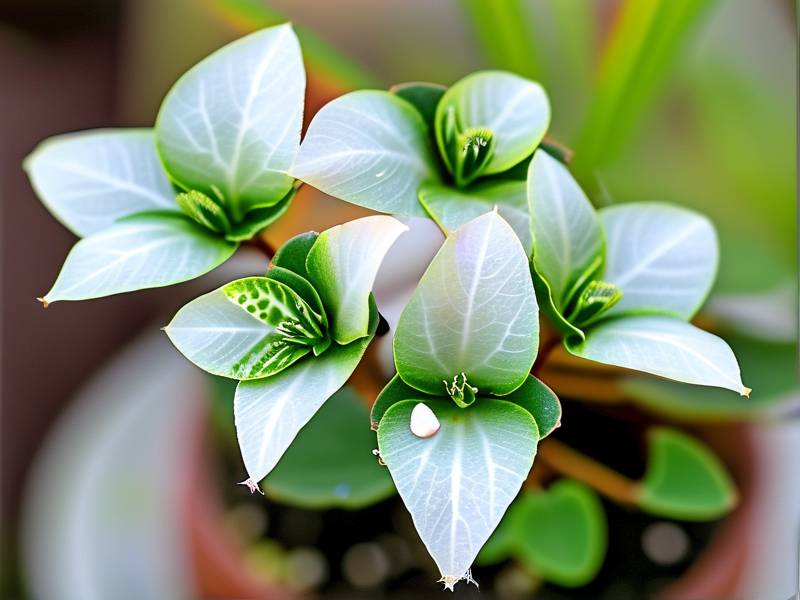
If you’ve fallen in love with the round, glossy leaves of the Pilea peperomioides—also known as the Chinese Money Plant, Pancake Plant, or UFO Plant—you’re not alone. This charming houseplant has won hearts worldwide for its unique appearance and relatively easygoing nature. But like any plant, it has specific needs to stay healthy, lush, and full of life. Whether you’re a new Pilea parent or looking to revive a struggling plant, these 7 key care tips will answer all your questions about how to care for Pilea peperomioides and keep it thriving for years.
1. Master the Light: Bright, Indirect Sunlight Is Non-Negotiable
Light is one of the most critical factors in Pilea peperomioides care, and getting it right can make or break your plant’s health. In its native habitat—southern China—this plant grows under the canopy of larger plants, which means it’s used to bright but filtered light. Direct sunlight, especially the harsh afternoon rays, is a big no-no: it can scorch the delicate, round leaves, leaving unsightly brown spots or even killing the foliage.
So, where should you place your Pilea? Aim for a spot with bright indirect light for Pilea peperomioides—think near an east-facing window (where it gets gentle morning sun) or a west-facing window with a sheer curtain to soften the light. North-facing windows may not provide enough light, leading to leggy growth (long, sparse stems stretching toward the light) and smaller leaves. If you notice your Pilea getting leggy, try moving it to a brighter spot or supplementing with a grow light (set to 12-14 hours a day) during darker winter months.
A quick tip: Rotate your Pilea every 1-2 weeks. Its leaves grow toward the light, so rotating ensures even growth and a full, bushy shape.
2. Water Wisely: Avoid Overwatering (the #1 Pilea Killer)
Overwatering is the most common mistake new Pilea owners make—and it’s often fatal. Pilea peperomioides watering needs are simple: let the soil dry out between waterings. This plant has succulent-like stems that store water, so it’s more tolerant of underwatering than overwatering.
How do you know when to water? Stick your finger 1-2 inches into the soil. If it feels dry to the touch, it’s time to water. If it’s still damp, hold off—wet soil can lead to root rot, a fungal disease that turns roots brown and mushy (and causes leaves to wilt or turn yellow).
When you do water, water thoroughly: pour water until it drains out the bottom of the pot. This ensures the roots get enough moisture, not just the top layer of soil. Avoid “sip watering” (giving small amounts of water frequently), as this can lead to shallow root growth.
Adjust your watering schedule with the seasons: in spring and summer (growing season), your Pilea will need more water (every 7-10 days, depending on light and humidity). In fall and winter, growth slows down, so water less often (every 14-21 days). Also, use room-temperature water—cold water can shock the roots. If you use tap water, let it sit out overnight to let chlorine evaporate, as chlorine can harm sensitive Pilea roots.
3. Choose the Right Soil: Well-Draining Is Key
The right soil mix supports healthy root growth and prevents overwatering—two musts for Pilea peperomioides care. This plant needs soil that drains quickly but still retains some moisture (not too much, though!). A heavy, compact soil (like regular garden soil) will hold water, leading to root rot.
A good soil mix for Pilea is:
You can also buy a pre-made succulent or cactus mix—just add a bit of potting soil to make it slightly more moisture-retentive (succulent mixes are often too gritty for Pileas). Avoid adding sand to the soil, as it can compact over time and reduce drainage.
Another soil tip: Add a layer of small pebbles or gravel at the bottom of the pot before adding soil. This extra drainage layer helps excess water escape faster, further protecting against root rot.
4. Temperature & Humidity: Keep It Warm and Comfortable
Pilea peperomioides temperature tolerance is pretty straightforward: it thrives in typical indoor temperatures, so you won’t need to rearrange your home to keep it happy. The ideal temperature range is 65-75°F (18-24°C). Avoid placing your Pilea near cold drafts (like open windows in winter, air conditioners, or fans) or heat sources (like radiators or vents)—extreme temperature changes can cause leaves to drop or turn brown at the edges.
Humidity is a bit more flexible. Pileas can handle average indoor humidity (30-50%), but they’ll appreciate a boost in drier environments (like heated homes in winter). Low humidity can cause leaf edges to dry out and turn crispy. To increase humidity for your Pilea:
You don’t need a humidifier, but if you have one, setting it to 40-50% humidity will make your Pilea extra happy.
5. Potting & Repotting: Give Roots Room to Grow
Choosing the right pot and repotting at the right time helps your Pilea stay healthy. Pilea peperomioides pot size matters: start with a pot that’s 1-2 inches larger than the root ball. A pot that’s too big will hold too much soil, leading to overwatering (since the soil takes longer to dry out). A pot that’s too small will cramp the roots, slowing growth and causing the plant to become “root-bound” (roots grow out of the drainage holes or circle the bottom of the pot).
Pileas grow quickly in the right conditions, so you’ll need to repot them every 1-2 years (usually in spring, at the start of the growing season). How do you know it’s time to repot?
When repotting:
Gently remove the Pilea from its old pot (tap the sides to loosen the soil).
Brush off excess soil from the roots and check for root rot (trim any brown, mushy roots with clean, sharp scissors).
Choose a new pot with drainage holes (critical for preventing overwatering!) that’s 1-2 inches larger than the old one.
Add fresh soil mix to the bottom of the new pot, place the Pilea in the center, and fill in with more soil.
Water thoroughly and place in a bright, indirect light spot to help the plant recover.
6. Fertilize Moderately: Feed During Growing Season
Fertilizer gives your Pilea the nutrients it needs to grow big, glossy leaves—but too much fertilizer can do more harm than good. Pilea peperomioides fertilizing tips are simple: fertilize only during the growing season (spring and summer) and use a diluted, balanced fertilizer.
What kind of fertilizer to use? A liquid, all-purpose houseplant fertilizer with a balanced N-P-K ratio (like 10-10-10 or 20-20-20) works best. Dilute it to half the strength recommended on the label—full-strength fertilizer can burn the roots and cause leaf tips to turn brown.
Fertilize every 2-4 weeks during spring and summer. In fall and winter, stop fertilizing entirely—your Pilea is in a dormant phase and won’t use the extra nutrients. A good rule of thumb: if your Pilea is growing new leaves, it’s ready for fertilizer. If growth has slowed, hold off.
7. Prune & Propagate: Keep It Bushy and Share the Love
Pruning helps keep your Pilea looking neat and encourages bushy growth, while propagation lets you grow new Pileas (to expand your collection or share with friends!).
Pruning Your Pilea
Prune your Pilea in spring or summer (growing season) to avoid stressing the plant. Use clean, sharp scissors or pruning shears to:
After pruning, your Pilea will redirect energy to new growth, resulting in a fuller, more compact plant.
Propagating Your Pilea
One of the best things about Pileas is how easy they are to propagate—perfect for how to care for Pilea peperomioides babies (also called “pups”). Pileas naturally produce small offshoots (pups) at the base of the main plant. Here’s how to propagate them:
Wait until the pup is 2-3 inches tall and has its own small roots (you can see them peeking out from the soil).
Gently dig around the pup with a small trowel or your fingers to loosen the soil.
Carefully separate the pup from the main plant, making sure to keep its roots intact.
Plant the pup in a small pot (3-4 inches) with fresh Pilea soil mix.
Water lightly and place in bright, indirect light. Keep the soil slightly moist (but not wet) until the pup establishes roots (usually 2-3 weeks).
You can also propagate Pileas from stem cuttings, but pup propagation is easier and more reliable—especially for beginners.
Troubleshooting Common Pilea Problems
Even with the best care, Pileas can run into issues. Here’s how to fix the most common problems, so you can keep your Pilea peperomioides healthy:
 bluename