bluename
 How to Care for Plants: Universal Fertilizing Tips for Vigorous Growth
You’ve chosen the perfect spot for your plant, you water it diligently, and yet, it still looks lackluster. The leaves might be pale, growth seems stunted, or those beautiful blooms you were promised never appear. This common frustration often points to one overlooked aspect of plant care: fertilization. Understanding how to care for plants with the right nutrients is the secret to unlocking that vibrant, vigorous growth we all desire. This guide will provide universal fertilizing tips to transform your plants from surviving to truly thriving.
Why Fertilizer is Non-Negotiable for Plant Health
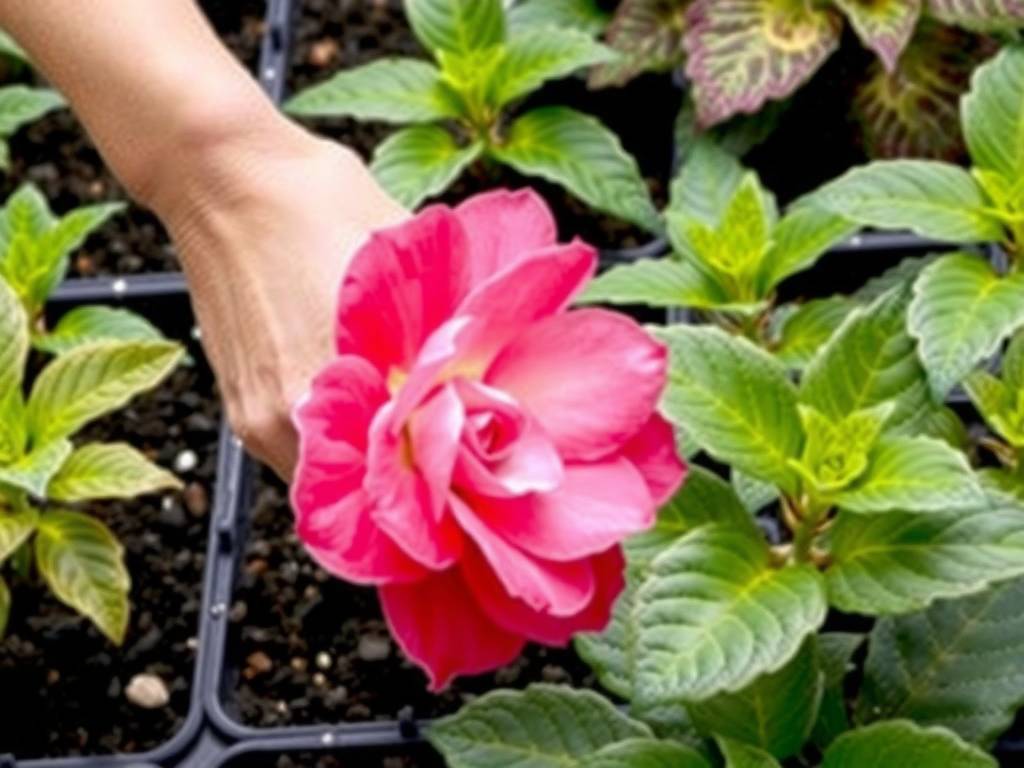
Think of fertilizer as a vitamin and mineral supplement for your plants. While soil provides the foundational medium, its native nutrients are constantly being depleted. Watering leaches them away, and the plants themselves absorb these vital elements to build new stems, leaves, and roots. Without replenishment, growth slows and plants become susceptible to stress and disease.
The American Horticultural Society (AHS) emphasizes that balanced nutrition is as critical as light and water. Fertilizer bridges the gap between what the soil has and what the plant needs, fueling essential processes like photosynthesis and cell development.
Decoding the N-P-K Ratio: The Plant Food Label
Every fertilizer package features three bold numbers, like 10-10-10 or 5-10-5. This is the N-P-K ratio, the universal code for its primary nutrient content.
- N (Nitrogen): This is the growth engine. It promotes the development of lush, green leaves and stems. A deficiency leads to yellowing leaves, starting with the older ones.
- P (Phosphorus): This supports energy transfer and root development. It’s crucial for strong root systems, flower formation, and fruit production. A lack of phosphorus can result in poor blooming and purplish tints on leaves.
- K (Potassium): Think of this as the plant’s immune and regulatory system. It strengthens overall vigor, improves disease resistance, and aids in water regulation.
A balanced, all-purpose fertilizer (e.g., 10-10-10) is a great starting point for most foliage plants. However, tailoring your choice to your plant’s specific needs—like a high-phosphorus “bloom booster” for flowering plants—yields even better results.
Choosing the Right Type of Fertilizer
The form of fertilizer you choose affects how you apply it and how quickly plants can use it.
Synthetic vs. Organic Fertilizers
Synthetic fertilizers are chemically manufactured, providing nutrients in an immediately available form. They offer precise N-P-K ratios and act quickly to correct deficiencies.
Organic fertilizers are derived from natural sources like compost, bone meal, or fish emulsion. They release nutrients slowly as they are broken down by soil microbes, improving soil structure over time. The Royal Horticultural Society (RHS) notes that organic options foster long-term soil health and are less likely to cause nutrient burn.
Liquid, Granular, and Slow-Release Formulas
- Liquid Fertilizers: These are fast-acting and ideal for providing a quick boost. They are diluted in water and applied during regular watering, ensuring even distribution.
- Granular Fertilizers: These dry pellets are sprinkled onto the soil surface and watered in. They provide a medium-term nutrient release.
- Slow-Release Fertilizers: Often in coated prill form, these provide a steady, controlled supply of nutrients over several months. They are incredibly convenient and minimize the risk of over-fertilization.
Universal Application Guidelines for Success
Mastering these core principles is more important than any single product.
1. The Golden Rule: Less is More Over-fertilization is a far more common and dangerous problem than under-fertilizing. Excess salts can build up in the soil, damaging delicate roots and causing “fertilizer burn,” visible as brown, crispy leaf edges. Always err on the side of caution and follow label instructions precisely.
2. The Importance of Dilution For liquid fertilizers, never apply them at full strength to dry soil. Always ensure the soil is pre-moistened. This prevents root shock and allows for even absorption. Diluting slightly more than recommended is a safe practice for tender plants.
3. Feed During the Growing Season Plants have natural cycles. Fertilizing plants for growth is most effective during their active growing periods, typically spring and summer. This is when they are actively producing new leaves and stems. Reduce or stop feeding entirely in late fall and winter when growth naturally slows, as the plant cannot use the extra nutrients.
4. Consider the Plant’s Life Stage A seedling, a mature foliage plant, and a flowering plant all have different needs. Young plants benefit from a balanced, gentle fertilizer. A plant you are trying to encourage to bloom benefits from a formula higher in phosphorus. Tailoring your approach is a key plant nutrition tip.
5. Soil Health is the Foundation Fertilizer is not a substitute for good soil. Healthy, well-draining soil rich in organic matter holds nutrients better and makes them more available to plant roots. Incorporating compost annually is one of the best things you can do for your garden’s fertility.
Troubleshooting Common Fertilizer Problems
- Yellowing Leaves: This can be a sign of several deficiencies. Uniform yellowing of older leaves often points to a lack of nitrogen. Yellowing between the veins of new leaves might indicate an iron deficiency.
- No Flowers or Fruit: An excess of nitrogen can push a plant to produce only leaves at the expense of blooms. Switch to a low-nitrogen, high-phosphorus fertilizer to encourage flowering.
- Crusty Soil Surface or Burned Leaves: This is a clear sign of over-fertilization and salt buildup. Leach the soil by slowly running a large volume of water through the pot to flush out excess salts, and suspend feeding for several weeks.
Expert Tips for Vigorous Plant Growth
To achieve truly vigorous plant growth, integrate these practices. Research from plant science institutions shows that consistency and observation beat intensive, sporadic care. Establish a simple feeding schedule aligned with the growing season. Observe your plants closely; they will often tell you what they need. A sudden change in leaf color or growth rate is your cue to investigate.
Furthermore, remember that fertilizer works in concert with other care elements. No amount of plant food can compensate for inadequate light, incorrect watering, or poor soil conditions. A holistic approach is essential.
Frequently Asked Questions
Can I use leftover coffee grounds as fertilizer? Yes, but use them wisely. Used coffee grounds are a mild source of nitrogen and can be lightly mixed into the topsoil of acid-loving plants like azaleas or blueberries. They should be used sparingly as part of a compost mix, not as a primary fertilizer, to avoid mold or soil compaction.
How often should I fertilize my houseplants? A general rule for sustained plant health is to fertilize every 4-6 weeks during the active growing season (spring and summer). For plants fed with a slow-release formula at the start of the season, one application may suffice. Always reduce frequency in autumn and winter.
Is it necessary to fertilize newly repotted plants? It is best to wait. Fresh potting mix typically contains enough nutrients to sustain the plant for 4-6 weeks. Fertilizing a plant in fresh soil, especially one that may have stressed or damaged roots from repotting, can do more harm than good. Allow the plant to settle into its new pot first.
Providing the right nutrients at the right time is a transformative act in plant care. It moves beyond mere maintenance into the realm of cultivation, where you actively partner with your plants to support their fullest potential. By understanding the basics of N-P-K, choosing an appropriate product, and adhering to the principle of “less is more,” you equip yourself with the fundamental knowledge to nurture stronger roots, more resilient leaves, and more spectacular blooms. Start observing, feed with intention, and watch your garden respond with renewed vitality.