bluename
 How to Care for Indoor Plants: Summer Ventilation to Prevent Pests & Diseases
You’ve nurtured your indoor plants all year, watching them thrive. But as summer arrives, you might notice a sudden decline. Leaves may turn yellow, develop strange spots, or a sticky residue might appear. Tiny, unwanted guests like spider mites, fungus gnats, or powdery mildew can seemingly invade overnight. The culprit often isn't just the heat—it's stagnant, humid air. Proper summer ventilation is your most powerful, yet frequently overlooked, strategy for preventing pests and diseases in your indoor jungle. This guide will walk you through why airflow is critical and how to implement it effectively to keep your plants healthy all season long.
Why Summer Airflow is Non-Negotiable for Plant Health
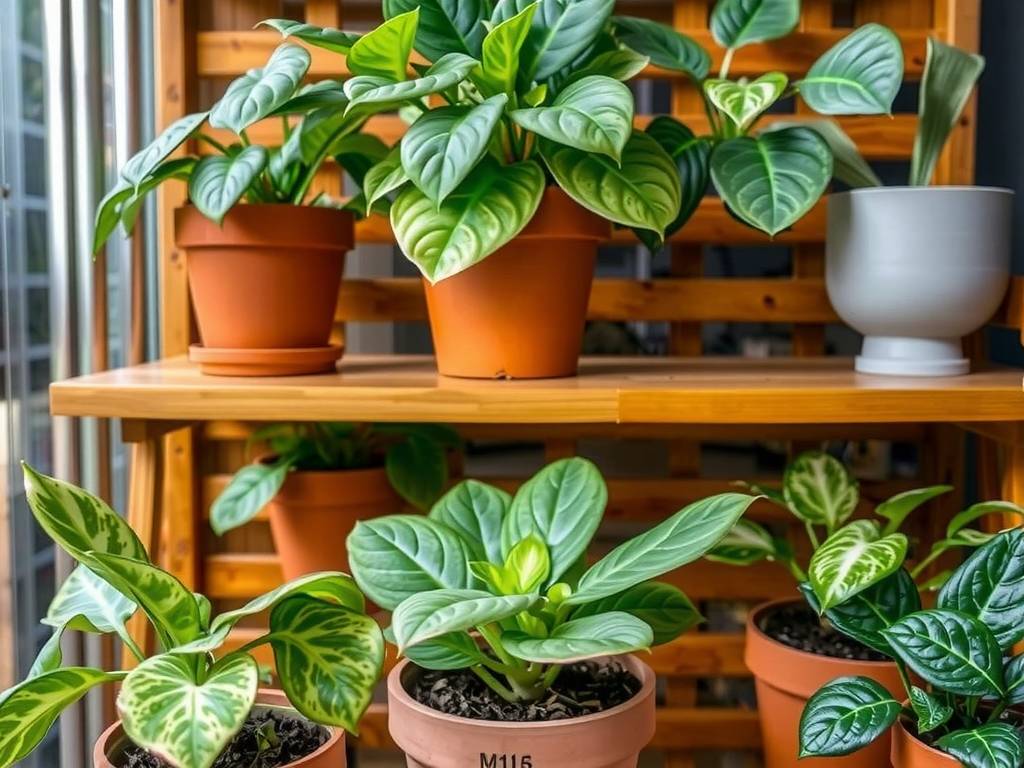
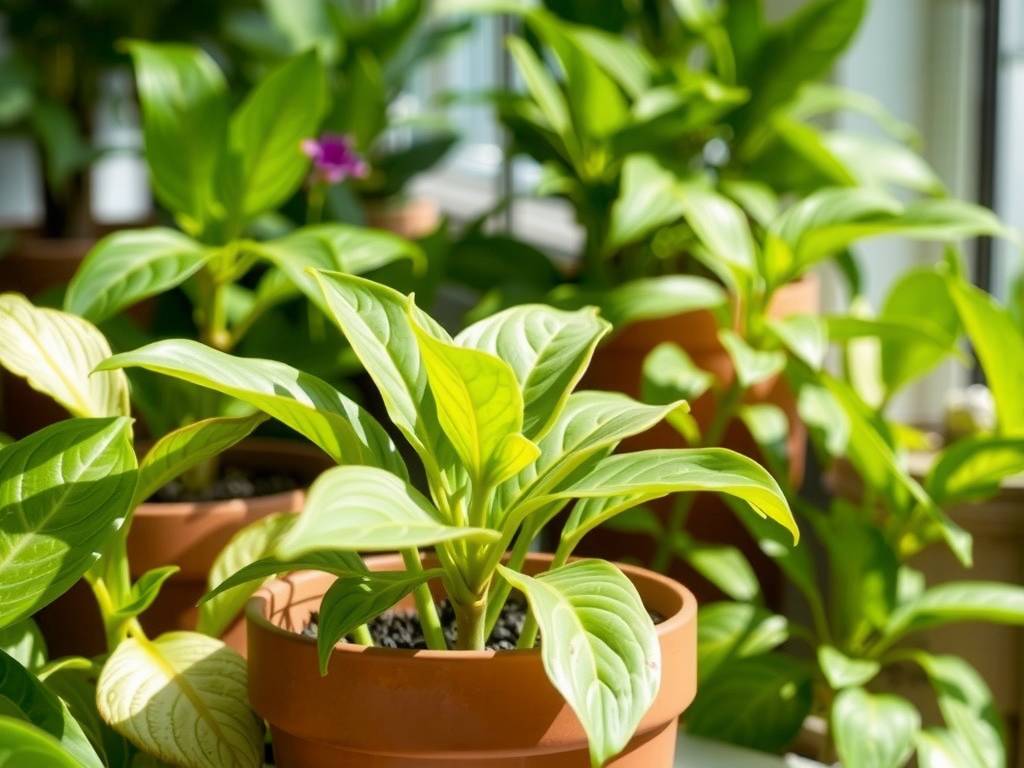
During summer, indoor conditions can quickly become a breeding ground for problems. High temperatures increase evaporation from the soil and transpiration from leaves, raising humidity levels around your plants. Without movement, this humid air creates a microclimate perfect for fungal spores to germinate and pests to multiply.
Stagnant air stresses plants, weakening their natural defenses. According to principles outlined by plant pathology experts, good air circulation helps disperse these spores and moisture, making the environment less hospitable for pathogens like powdery mildew, botrytis (gray mold), and various leaf spot diseases. It’s a simple, non-chemical first line of defense.
Understanding Your Indoor Environment's Airflow
Before you start moving fans around, take a moment to assess your space. Different rooms have different ventilation profiles.
Check for natural cross-ventilation by opening windows on opposite sides of a room. Feel for the breeze. Identify dead zones—corners, spaces behind large furniture, or crowded plant shelves where air never seems to move. These are high-risk areas for pest infestations.
Monitor humidity with a simple hygrometer. While many tropical plants enjoy humidity, consistent levels above 70% without airflow invite trouble. The goal is to create a consistent, gentle movement of air that mimics a natural outdoor environment, not a direct, harsh blast.
Practical Strategies for Optimizing Ventilation
You don't need a complex system to dramatically improve airflow. Here are actionable methods.
Leverage Natural Ventilation Wisely The simplest method is using windows and doors. Open them during the cooler parts of the day, such as early morning and evening, to create a cross-breeze. Ensure your plants are not in the direct path of hot, scorching afternoon sun coming through an open window, as this can cause leaf burn. Using sheer curtains can diffuse intense light while allowing air to pass.
Strategic Use of Fans for Targeted Circulation When natural breeze isn't enough, fans are indispensable. Oscillating fans are ideal as they distribute air throughout the room without creating a constant, damaging gale directed at one plant. Set them on a low or medium setting and position them to blow above and between plants, not directly onto them. This gentle movement strengthens plant stems and dries leaf surfaces quickly after watering, depriving fungi of the damp surface they need.
For a more focused approach, small, USB-powered desktop fans can be used to improve airflow in a crowded plant cabinet or on a dense shelf. Just a few hours a day can make a significant difference.
The Role of Proper Plant Spacing One of the most common mistakes is overcrowding. Plants placed too close together create their own humid, still pocket of air. Give them room to breathe. Prune back excessive growth, especially in the center of the plant, to allow light and air to penetrate the foliage. Regularly rotating your plants ensures all sides receive equal air and light exposure, promoting even growth and preventing damp, shaded areas from becoming disease hotspots.
Ventilation as Part of an Integrated Pest Management (IPM) Approach
Think of ventilation as a core pillar of a broader healthy plant strategy. The Royal Horticultural Society (RHS) emphasizes Integrated Pest Management, where cultural practices like ventilation are the first step before any intervention.
Good airflow makes your plants less attractive to pests. It complements proper watering—allowing soil surfaces to dry more evenly, which deters fungus gnats. It enhances the effectiveness of other practices. For instance, if you need to apply a horticultural oil or insecticidal soap for a minor infestation, good ventilation helps the treatment dry properly and prevents further stress to the plant.
Spotting and Solving Common Summer Issues Linked to Poor Airflow
Even with good practices, issues can arise. Here’s how to connect them to airflow.
Fungal Foes: Powdery Mildew and Mold A white, powdery coating on leaves or fuzzy gray mold on flowers or soil is a clear sign. Immediately isolate the plant. Increase airflow dramatically around it. You may need to remove severely affected leaves. As a treatment, a baking soda solution (1 teaspoon per quart of water with a drop of mild soap) can be sprayed on affected areas, but only with improved air circulation to help it work and dry.
The Sticky Menace: Sap-Sucking Pests (Aphids, Mealybugs, Scale) These pests excrete a sticky substance called honeydew, which can lead to sooty mold. A strong blast of water can dislodge many pests. Follow this by placing the plant in an area with good airflow to dry thoroughly. The American Horticultural Society (AHA) notes that healthy, unstressed plants are more resilient to pest attacks, and consistent airflow is key to reducing stress.
Tiny Flyers: Fungus Gnats These are often a sign of overwatering and constantly damp soil surface. Allowing the top layer of soil to dry between waterings is crucial. A small fan gently blowing across the soil surface will dry it faster, breaking the gnat's life cycle and preventing larvae from thriving.
Can I over-ventilate my indoor plants? Yes. Constant, direct, strong wind from a fan can cause windburn, where leaves become scorched, dehydrated, and may develop brown edges. It can also dry out soil too quickly. The key is gentle, indirect, and oscillating movement. Watch your plants; if leaves are visibly trembling or soil is drying out in a day, reduce the fan speed or redirect it.
What if I have no windows or fans in my plant room? This is a challenge, but not insurmountable. First, drastically reduce the number of plants in that room to avoid creating a stagnant jungle. Choose only the most tolerant low-light, low-airflow plants (like some Sansevieria or ZZ plants). Consider installing a very small, quiet duct fan to an adjacent room or using a air purifier on a low setting, which can provide minimal but helpful air movement.
How does air conditioning affect indoor plant ventilation? AC reduces temperature and humidity, which can help prevent some fungal issues. However, the cold, dry air blowing directly from a vent can be very damaging. Avoid placing plants in the direct path of AC airflow. The chilled air can also create microclimates of still, cold air around plants. Using a fan on the opposite side of the room to gently circulate the cooled air more evenly can create a better overall environment.
Maintaining vibrant indoor plants through the summer hinges on mastering the balance of light, water, and air. By prioritizing gentle, consistent air movement, you actively disrupt the conditions that pests and diseases need to establish themselves. This proactive approach, rooted in understanding the plant's environment, builds resilience from the inside out. Start by assessing your space, introducing an oscillating fan, and giving your plants a little more room. These simple steps will empower your plants to not just survive, but truly thrive during the warmest months, showcasing the health and beauty that comes from a well-ventilated home.