bluename
 How to Care for Indoor Plants: Winter Humidification to Prevent Dry Leaves
You’ve nurtured your indoor plants all year, only to watch their leaves turn brown, crispy, and dry as winter sets in. This frustrating sight is a common struggle for plant enthusiasts. The culprit isn't neglect, but a silent environmental shift: plummeting humidity levels. As heating systems run constantly, they strip the air of essential moisture, creating a desert-like atmosphere that tropical and many common houseplants simply cannot thrive in. Understanding and implementing effective winter humidification is not just a supplementary tip; it's a critical component of indoor plant care during the colder months to prevent dry leaves and maintain plant health.
Why Winter Air is the Enemy of Your Houseplants
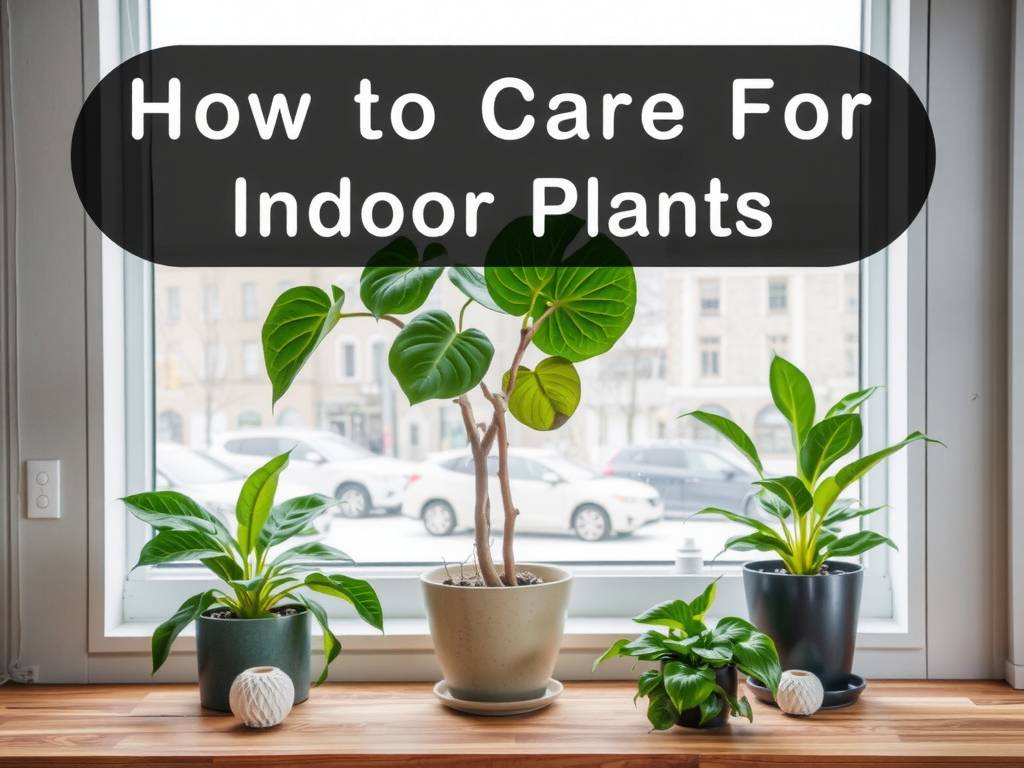
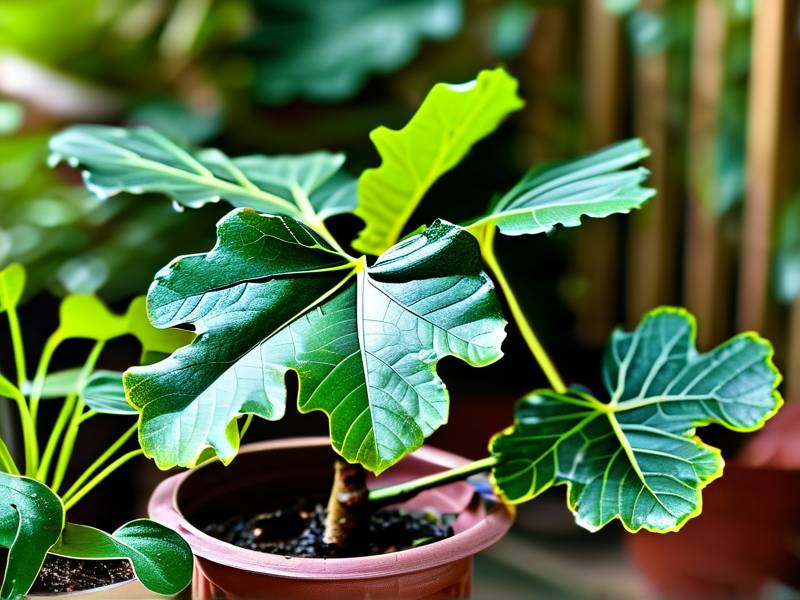
Most popular houseplants, from delicate ferns and prayer plants to even the resilient fiddle leaf fig, originate from tropical or subtropical regions where humidity routinely exceeds 50%. Our homes, especially in winter, often see humidity levels drop to a mere 10-30%. This drastic difference puts immense stress on plants.
Leaves lose moisture to the dry air through tiny pores called stomata faster than the roots can absorb water from the soil. This leads to cellular damage, manifesting as those telltale brown, crispy leaf edges and tips—a condition often called leaf scorch. Furthermore, low humidity can weaken a plant’s natural defenses, making it more susceptible to pests like spider mites, which thrive in dry conditions.
According to the Royal Horticultural Society (RHS), maintaining adequate atmospheric humidity is one of the most common challenges for indoor gardeners and is paramount for preventing desiccation and promoting healthy foliage.
Your Comprehensive Guide to Winter Humidification Strategies
Successfully raising humidity involves a multi-faceted approach. You can choose from simple, low-tech methods or invest in appliances for whole-room solutions. The best strategy often depends on your plant collection's size and your home's layout.
Group Plants Together to Create a Microclimate
One of the easiest and most effective techniques is to cluster your plants. As plants naturally release water vapor through a process called transpiration, grouping them allows them to benefit from each other's moisture output. This collective transpiration creates a localized pocket of higher humidity, a beneficial microclimate. Place plants with similar light and water needs together on a pebble tray for compounded effects.
Master the Pebble Tray Method
The pebble tray is a classic, low-cost humidification tool. Here’s how to do it correctly:
- Select a shallow tray or saucer larger than your plant’s pot.
- Fill it with a layer of clean pebbles, gravel, or LECA balls.
- Pour water into the tray until it reaches just below the top of the pebbles.
- Place your plant pot on top, ensuring the pot’s base is not sitting directly in the water to prevent root rot.
As the water evaporates, it increases the humidity immediately around the foliage. Remember to refill the tray regularly as the water evaporates. The American Horticultural Society (AHS) notes this method is particularly useful for single specimens or small plant groupings.
Incorporate Regular Misting with Caution
Misting involves spraying a fine cloud of water onto plant leaves. It provides a temporary boost in humidity and can help clean dust from foliage. However, its effects are fleeting, often lasting less than an hour in very dry air. It is best used as a supplementary tactic, not a primary solution. Always use room-temperature water and avoid misting plants with fuzzy leaves (like African Violets) or those prone to fungal diseases, as prolonged moisture on leaves can invite problems.
Invest in a Room Humidifier for Consistent Control
For a serious plant collection or severe dry air, a humidifier is the most reliable and effective tool. It allows you to control the exact moisture level in the air. Cool-mist ultrasonic humidifiers are often recommended for plant rooms.
- Placement: Position the humidifier in the center of your plant grouping, but avoid pointing a direct, strong stream of mist at any single plant.
- Monitoring: Use a simple digital hygrometer to monitor room humidity. Aim to maintain a level between 40-60% for most tropical plants.
- Maintenance: Clean your humidifier weekly to prevent mold or bacterial growth, which could then be dispersed into the air.
Choose and Position Plants Strategically
Some plants are more tolerant of dry air than others. If you struggle with low humidity, consider adding more resilient varieties like Snake Plants, ZZ Plants, or Cast Iron Plants to your space. You can also place more humidity-sensitive plants in naturally more humid rooms, such as bathrooms or kitchens, provided they receive adequate light. Always avoid placing plants directly next to or above heat vents, radiators, or fireplaces, as these sources rapidly dry out the air and soil.
Additional Winter Care Synergy
Humidification works best when paired with other seasonal adjustments to your plant care routine.
- Watering Wisely: While the air is dry, plant growth often slows. Check soil moisture more carefully—water only when the top inch or two of soil is dry. Overwatering in winter is a common mistake that can lead to root rot.
- Light Management: With shorter days, maximize available sunlight. Clean your windows and consider rotating plants periodically for even light exposure. Supplemental grow lights can be invaluable.
- Temperature Stability: Avoid cold drafts from doors/windows and sudden temperature swings. Most houseplants prefer a consistent range between 65-75°F (18-24°C).
Addressing Common Winter Plant Concerns
My plant’s leaves are still getting brown tips even though I use a pebble tray. What am I doing wrong? Brown tips can persist if the localized humidity from a single tray isn't sufficient for the plant's needs or if the surrounding air is extremely dry. Ensure the tray is consistently filled with water. Combining methods—like using a pebble tray for a grouped collection of plants—is more powerful. Also, review your watering practices; inconsistent watering combined with dry air can accelerate leaf tip browning.
Can I just move all my plants to the bathroom for the winter? This can be an excellent solution for humidity-loving plants like ferns or orchids, but only if the bathroom receives enough natural light. Most bathrooms have low light conditions. Assess the light quality first. If light is insufficient, you’ll solve the humidity issue but may cause leggy growth and decline due to lack of light.
How do I know if my home’s humidity is too low for my plants? Beyond the obvious signs of dry, curling leaves and brown edges, physical cues include frequent static electricity shocks, dry skin, and cracking wood furniture. The most accurate method is to purchase an inexpensive hygrometer. Place it near your plant display to get a precise reading of the ambient humidity level.
Preventing dry leaves on indoor plants in winter hinges on proactively managing the humidity around them. By understanding why dry air is harmful and implementing a consistent strategy—whether through grouping plants, using pebble trays, or running a humidifier—you can replicate the moist, nurturing environment your foliage friends crave. Pair this with adjusted watering and light practices, and you’ll not only prevent crispy leaves but also see your plants continue to thrive vibrantly through the challenging winter season. The effort you put into humidification is a direct investment in the lush, green beauty of your indoor jungle.