bluename
 How to Care for Plants - Beginner-Friendly Zero-Failure Care Method
You've brought home a beautiful new plant, full of hope and greenery. But within weeks, the leaves start to droop, turn yellow, or worse, the whole plant seems to give up. You're left wondering, "What did I do wrong?" If this sounds familiar, you're not alone. The fear of failure is the number one reason new plant enthusiasts hesitate to expand their indoor jungle. The good news is that plant care doesn't have to be a mystery or a gamble. By understanding a few fundamental principles and adopting a systematic approach, anyone can succeed. This guide is your blueprint for how to care for plants using a simple, almost foolproof method that focuses on observation and consistency over complex rules.
Understanding Your Plant's Basic Needs: The Four Pillars
All plants, from a resilient snake plant to a delicate fern, require four essential elements to thrive: light, water, soil, and a suitable environment. Mastering these is the foundation of the zero-failure method.
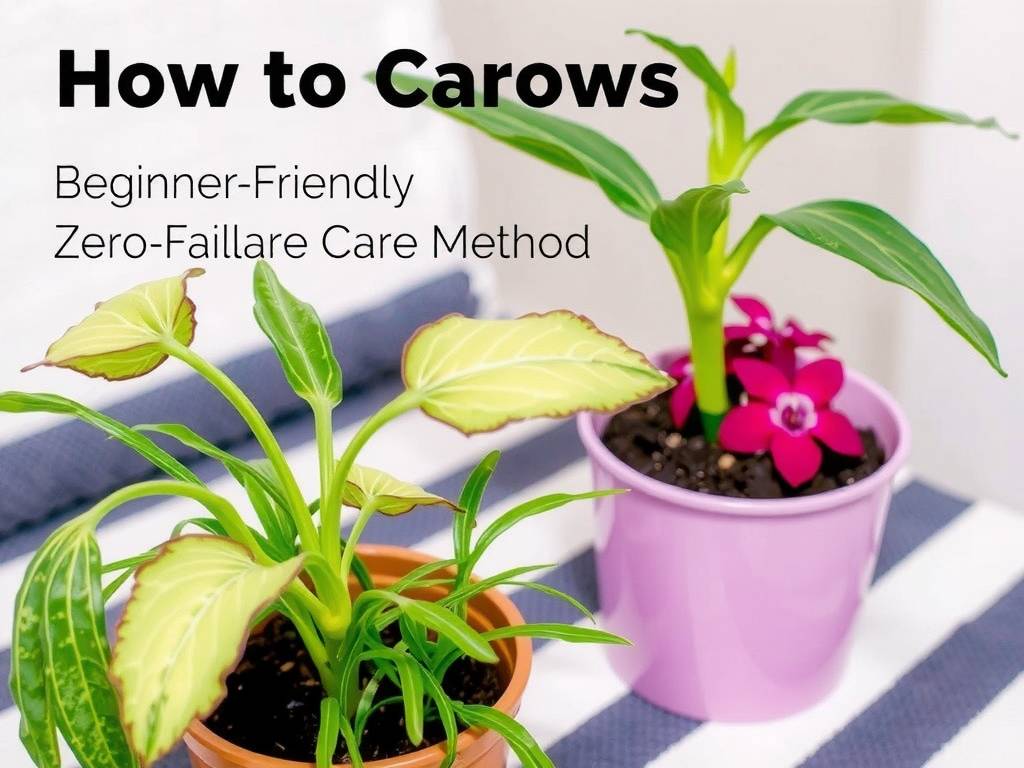
Light: Reading the Sun's Language
Light is plant food. Getting it right is 80% of the battle. The key is to match the plant with its ideal light conditions.
- Bright Indirect Light: This is the gold standard for most popular houseplants like Monsteras, Pothos, and Philodendrons. It means plenty of light, but no harsh sun rays directly hitting the leaves. A spot near a north or east-facing window, or a few feet back from a south or west-facing window, is perfect.
- Low Light: Plants like ZZ Plants and Snake Plants tolerate lower light, but "tolerate" is the operative word. They will grow slower. No plant survives in complete darkness.
- Direct Sun: Reserved for sun-lovers like Succulents, Cacti, and some herbs. A sunny south-facing windowsill is ideal.
Pro Tip: Observe the shadow. A sharp, defined shadow indicates direct light. A soft, faint shadow means indirect light. No shadow? It's likely low light.
Watering: The Art of Timing, Not a Schedule
Overwatering is the single most common cause of plant death. Forget watering on a strict schedule (e.g., every Sunday). Instead, water based on need.
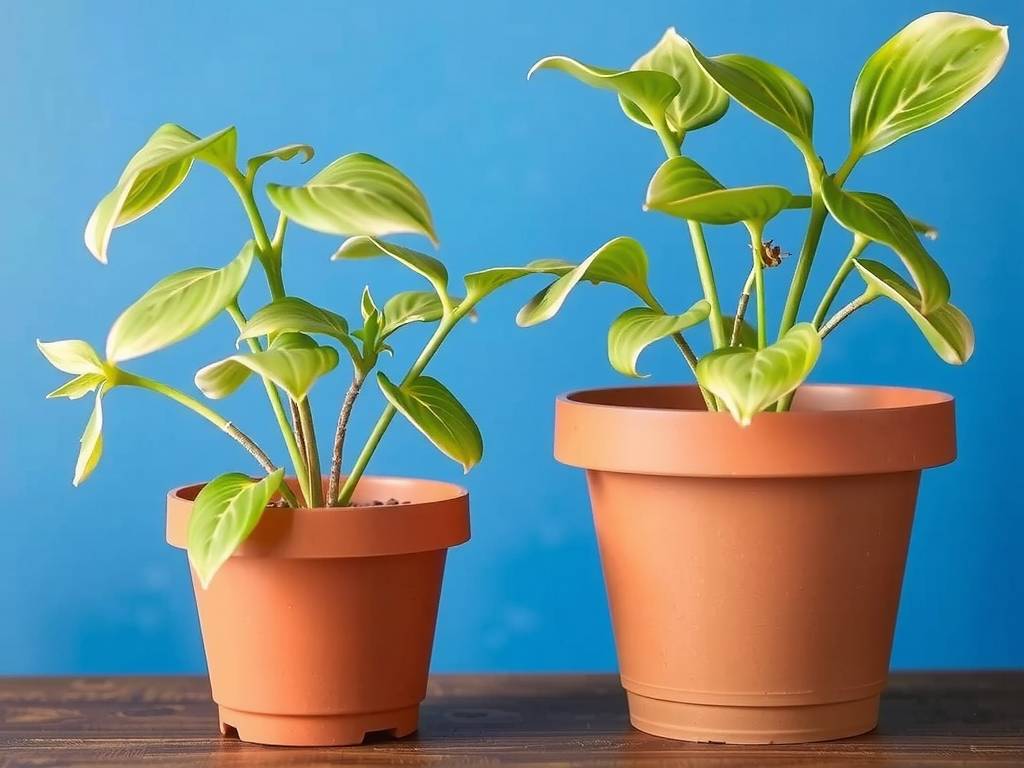
- Check the Soil: Stick your finger about 2 inches into the soil. For most plants, if it feels dry at that depth, it's time to water.
- Water Thoroughly: When you water, do it completely. Water until you see it run freely out of the drainage holes at the bottom of the pot. This ensures the entire root ball gets moisture.
- Let it Drain: Never let your plant sit in a saucer full of water. Empty it after 15-20 minutes to prevent root rot.
According to the Royal Horticultural Society (RHS), "The most common cause of plant death is too much water. Plants need air at their roots as well as water." This underscores the critical importance of proper drainage and checking soil moisture.
Soil and Potting: Creating a Comfortable Home
Soil is not just dirt; it's the plant's pantry and support system. A well-draining potting mix is non-negotiable. Most store-bought mixes work, but for plants like succulents or orchids, you'll need specialized blends. The pot matters too. Always choose a pot with drainage holes. Size is also key—a pot only 1-2 inches larger in diameter than the root ball is ideal. Too large, and the soil stays wet for too long.
Environment: Temperature and Humidity
Most houseplants prefer the same temperatures we do: between 65°F and 75°F (18°C - 24°C). Avoid drafts from heaters, air conditioners, or leaky windows. Humidity is often overlooked. Tropical plants appreciate higher humidity. You can group plants together, use a pebble tray with water, or occasionally mist them to boost local humidity.
The Zero-Failure Weekly Check-In Routine
Consistency beats intensity. Instead of sporadic care, establish a simple 5-minute weekly routine. This proactive approach lets you spot issues before they become crises.
Step 1: The Visual Inspection Walk by your plants and really look at them. Are the leaves perky? Any new growth? Look for early warning signs: slight drooping, a pale leaf, or dust buildup. Catching changes early is key.
Step 2: The Finger Test for Moisture For each plant, perform the finger test described above. This is your primary data point for deciding if watering is needed that week.
Step 3: Leaf Care and Rotation Wipe dusty leaves with a damp cloth. Dust blocks sunlight, hindering photosynthesis. Gently rotate your plant a quarter turn. This promotes even growth, preventing your plant from leaning awkwardly toward the light source.
The American Horticultural Society (AHS) advocates for this observational style of gardening, noting that "attentive, regular observation is more valuable than any rigid care schedule."
Choosing Your First Un-Killable Plants
Success breeds confidence. Start with plants known for their forgiving nature. These champions will thrive even with minor care mistakes, reinforcing your green thumb skills.
- Snake Plant (Sansevieria): Thrives on neglect. Tolerates low light and irregular watering.
- ZZ Plant (Zamioculcas zamiifolia): Another ultra-resilient option. Its rhizomes store water, making it drought-tolerant.
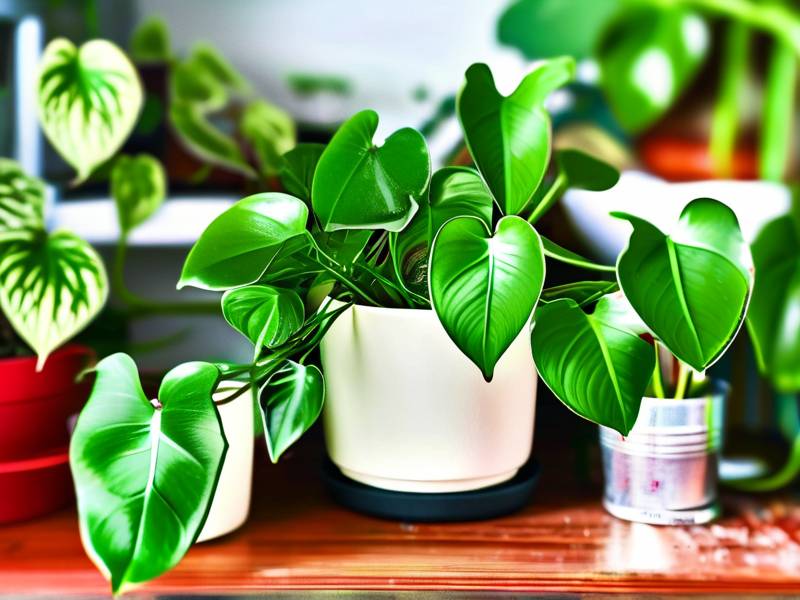
- Pothos (Epipremnum aureum): A fast-growing vine that tells you what it needs. Droopy leaves mean it's thirsty. Yellow leaves often mean too much water.
- Spider Plant (Chlorophytum comosum): Produces "pups" or baby plants, giving you a tangible reward for your care.
- Peace Lily (Spathiphyllum): A dramatic communicator. It wilts noticeably when thirsty and perks back up within hours of watering.
Troubleshooting Common Issues: A Diagnostic Guide
Even with the best care, plants can have issues. Here’s how to diagnose and fix common problems using the zero-failure method of observation.
Yellowing Leaves: The Plant's Distress Signal Yellow leaves can mean several things. Lower, older leaves turning yellow slowly is often natural aging. Multiple leaves turning yellow, especially if new growth is affected, often points to overwatering. Check your soil moisture immediately. Yellow leaves with brown, crispy tips might indicate underwatering or low humidity.
Brown Leaf Tips or Edges This is frequently a sign of low humidity or chemical sensitivity. Tap water can contain salts and fluoride that some plants dislike. Try using filtered or distilled water, or let tap water sit out overnight before using. Increasing humidity can also help.
Drooping or Wilting Leaves Usually a sign of water stress. The soil will tell you which kind. Dry soil means the plant is thirsty and needs a good drink. Wet soil means the roots may be waterlogged and unable to absorb water—a sign of overwatering and potential root rot.
No New Growth If your plant is alive but not growing, consider light and season. Is it getting enough light? Also, remember that most plants slow down or go dormant in the lower-light winter months. Reduce watering during this period and wait for spring.
Frequently Asked Questions
How often should I really water my plants? There is no universal answer. Watering frequency depends on the plant type, pot size, soil, light, temperature, and time of year. This is why the "finger test" method is so crucial. Always check the soil moisture first. For most common houseplants, watering once every 1-2 weeks is a rough average, but always verify.
Do I need to fertilize my houseplants? Yes, but less than you think. Plants in pots use up the nutrients in their soil. During the active growing season (spring and summer), you can feed them with a balanced, water-soluble fertilizer diluted to half-strength, about once a month. Do not fertilize in the fall and winter when growth has slowed. As the RHS advises, "It is better to underfeed than overfeed."
What's the one biggest mistake beginners make? Overwatering, without a doubt. Love often translates to too much water. Root rot, caused by constantly soggy soil, is a silent killer. Err on the side of underwatering. Most plants will recover from a dry spell much easier than from root rot. Your plant's weight is a good clue—a light pot usually means dry soil.
Embracing plant care is a journey of learning and connection. Start simple, be patient with yourself and your plants, and trust the process of observation. By focusing on the core principles of light, water, and consistent check-ins, you build a strong foundation. Choose resilient plants to build your confidence, and don't be afraid to learn from every small change in your green companions. Remember, every expert was once a beginner who simply didn't give up. Your thriving, green oasis is well within reach.