bluename
 How to Care for Saxifraga Stolonifera - Watering Tips to Avoid Root Rot
Seeing your beautiful Saxifraga stolonifera, or strawberry begonia, develop yellow, wilting leaves can be heartbreaking. Often, the culprit behind this common issue is improper watering leading to root rot. This comprehensive guide will walk you through everything you need to know about how to care for Saxifraga stolonifera, with a laser focus on mastering watering techniques to keep its roots healthy and thriving.
Understanding the delicate balance of moisture for this plant is the key to its long-term success. By the end of this article, you'll have a clear, actionable plan to hydrate your plant perfectly, avoiding the dreaded soggy soil that spells disaster.
Understanding Saxifraga Stolonifera's Natural Habitat
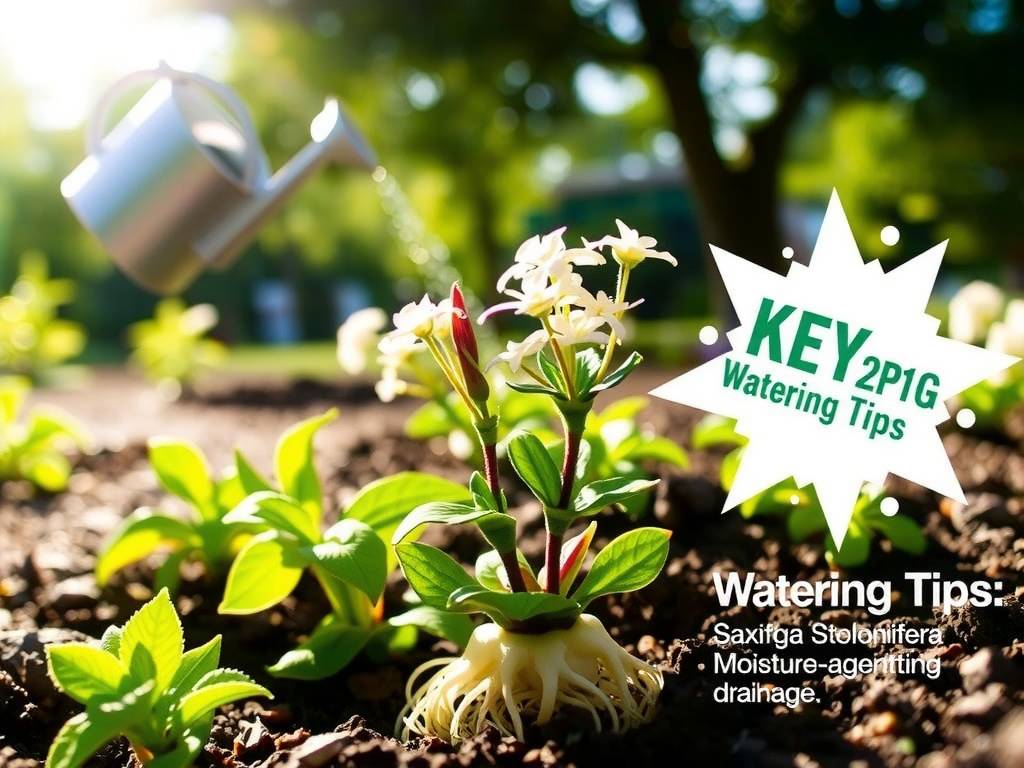
To water a plant correctly, you must first understand where it comes from. Saxifraga stolonifera is native to the forest floors of East Asia, including Japan, China, and Korea.
In its natural environment, it grows in moist, well-drained, humus-rich soil under the dappled shade of trees. The key terms here are "moist" and "well-drained." It enjoys consistent moisture but absolutely cannot sit in water. Its roots are adapted to absorb water quickly from rain showers, with excess moisture draining away through the rocky or loose leafy soil.
This mimics the conditions we must strive to recreate indoors: consistent, gentle moisture without waterlogging.
The Golden Rule: When to Water Your Strawberry Begonia
Forget watering on a strict schedule. The most effective method is the "finger test." This simple technique is your best defense against overwatering.
Insert your index finger about 1-2 inches into the soil. If the soil at that depth feels dry to the touch, it's time to water. If it still feels cool or slightly damp, wait a day or two and check again. The top layer of soil can dry out faster, but the root zone deeper down may still hold sufficient moisture.
During the active growing season (spring and summer), you may find yourself watering once a week. In the dormant winter months, watering frequency can drop to once every two or three weeks, depending on your home's humidity and temperature. Always let the soil condition, not the calendar, be your guide.
Mastering the How: Watering Techniques for Success
How you water is just as important as when. The goal is to water thoroughly but ensure no excess remains to drown the roots.
The Thorough Soak Method Take your plant to the sink or use a watering can with a long, narrow spout. Water the soil surface evenly and slowly, allowing the water to soak in. Continue until you see water beginning to drain freely from the bottom drainage holes. This ensures the entire root ball has been moistened.
The Critical Drainage Step Here is the non-negotiable step to avoid root rot in Saxifraga stolonifera. After watering, you must let all excess water drain away completely. Never let the pot sit in a saucer full of water for more than 15-20 minutes. Empty the saucer or cache pot after watering. If using a decorative pot without holes, always use a nursery pot inside it that you can remove for watering and draining.
Choosing the Right Soil and Pot: Your First Line of Defense
Watering practices are only half the battle. The right soil and pot setup creates an environment where roots can breathe.
Soil Mix Recipe for Healthier Roots A standard potting soil is too dense and moisture-retentive on its own. You must amend it to improve drainage. A perfect mix for Saxifraga stolonifera care is:
- 50% high-quality, peat-based or coconut coir potting mix
- 30% perlite or pumice
- 20% orchid bark or horticultural grit
This blend retains enough moisture for the roots to access but allows excess water to drain rapidly, preventing the soil from staying soggy. The Royal Horticultural Society (RHS) emphasizes the importance of a "well-drained potting medium" for preventing water-related diseases in container plants.
The Importance of Pot Selection Always choose a pot with adequate drainage holes. Terracotta pots are an excellent choice because they are porous, allowing soil to dry more evenly from the sides. If you prefer plastic or ceramic, just be extra vigilant with your finger test, as these materials retain moisture longer.
Signs of Trouble: Overwatering vs. Underwatering
It's crucial to diagnose issues correctly to take the right action.
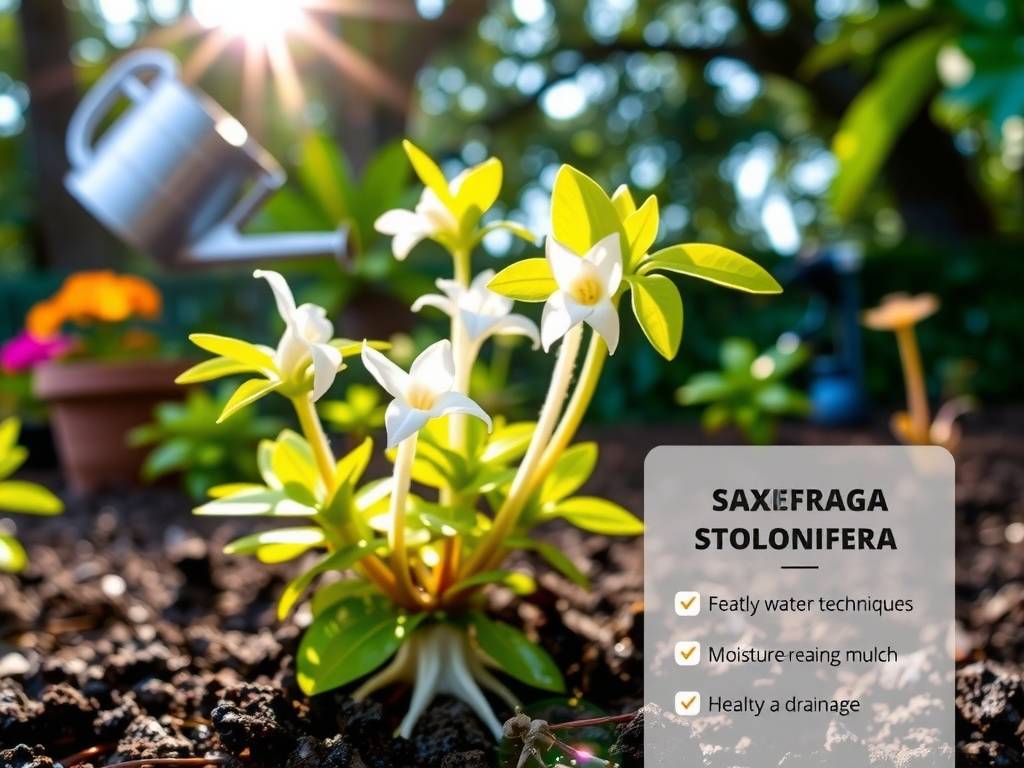
Symptoms of Overwatering and Root Rot
- Yellowing leaves, especially lower, older leaves.
- Consistently wet, soggy soil.
- Wilting leaves that are soft and mushy, not crisp.
- Black or brown, mushy roots with a foul odor (if you inspect the root ball).
- Stunted growth or leaf drop.
Symptoms of Underwatering
- Crisp, dry, brown leaf edges.
- Leaves that are droopy, thin, and limp but not mushy.
- Soil that is pulling away from the edges of the pot.
- Very dry, hard soil that is difficult to re-wet.
If you suspect root rot, act quickly. Remove the plant from its pot, gently wash the roots, and cut away any black, mushy parts with sterile scissors. Repot into fresh, well-draining soil and a clean pot. Water very sparingly until you see signs of new growth.
Seasonal Adjustments and Environmental Factors
Your plant's water needs aren't static. They change with the seasons and your home's environment.
Light and Temperature: A plant in a brighter, warmer spot will use water faster than one in a cool, low-light area. Adjust your checking frequency accordingly. Humidity: Saxifraga stolonifera appreciates moderate to high humidity. Dry air can cause leaf crisping, which might be mistaken for underwatering. Using a pebble tray or humidifier can help maintain ambient moisture, reducing stress on the plant. Seasonal Shifts: As mentioned, growth slows in fall and winter. Reduce watering frequency significantly during this time. The American Horticultural Society (AHS) advises that for most houseplants, "watering should be reduced in the winter when plants are not actively growing."
Advanced Tips for the Enthusiast
For those looking to perfect their watering routine for strawberry begonia, consider these pro tips:
- Use room-temperature water. Cold water can shock the roots.
- Bottom watering can be effective. Place the pot in a shallow tray of water for 15-20 minutes, allowing the soil to soak up moisture from the bottom. Then, remove and drain thoroughly. This encourages deep root growth.
- Observe your plant. It will tell you what it needs. A happy Saxifraga stolonifera will produce vibrant leaves and plentiful "stolons" or runners with plantlets.
How often should I water my Saxifraga stolonifera in winter? Water much less frequently in winter, only when the soil is dry 1-2 inches down. This could mean watering only once every 2-4 weeks, depending on your indoor heating and light conditions. The goal is to prevent the roots from drying out completely while keeping the soil on the drier side of moist.
Can I use a moisture meter instead of the finger test? Yes, a moisture meter can be a helpful tool, especially for deeper pots. It provides a more precise reading of moisture levels at the root zone. However, ensure you calibrate and use it correctly. The finger test remains a perfectly reliable and immediate method endorsed by many horticultural experts.
My plant's leaves are turning brown at the tips even though I water correctly. What's wrong? Brown, crispy tips are often a sign of low humidity or a buildup of salts and minerals from tap water. Try using filtered, rainwater, or distilled water for watering. Also, increase humidity around the plant by grouping it with others or using a humidifier. Ensure you are not under-watering to the point of dry soil, which can also cause browning.
Mastering the art of watering Saxifraga stolonifera is about embracing observation and consistency. By mimicking its natural forest floor conditions—providing moisture without saturation—you create the foundation for a resilient and flourishing plant. Remember the core principles: check the soil first, water thoroughly but ensure perfect drainage, and adapt to the seasons. With these practices, you'll not only prevent root rot but will be rewarded with a cascade of beautiful foliage and charming runners, making your strawberry begonia a standout feature in your indoor garden.