bluename
 How to Care for Jade Plant Old Stalks - Control & Prune for Elegant Form
You’ve nurtured your jade plant for years. It’s survived, even thrived, but now it looks… awkward. Those once-proud stems have become long, leggy, and unbalanced. The lower leaves have dropped, leaving behind bare, woody old stalks. You love your plant, but you’re unsure how to tame this overgrown look without harming it. This common dilemma is exactly why understanding how to care for jade plant old stalks is crucial. With the right control and pruning techniques, you can transform that lanky specimen into a sculptural, elegant masterpiece. This guide will walk you through every step.
Understanding Your Jade Plant’s Growth
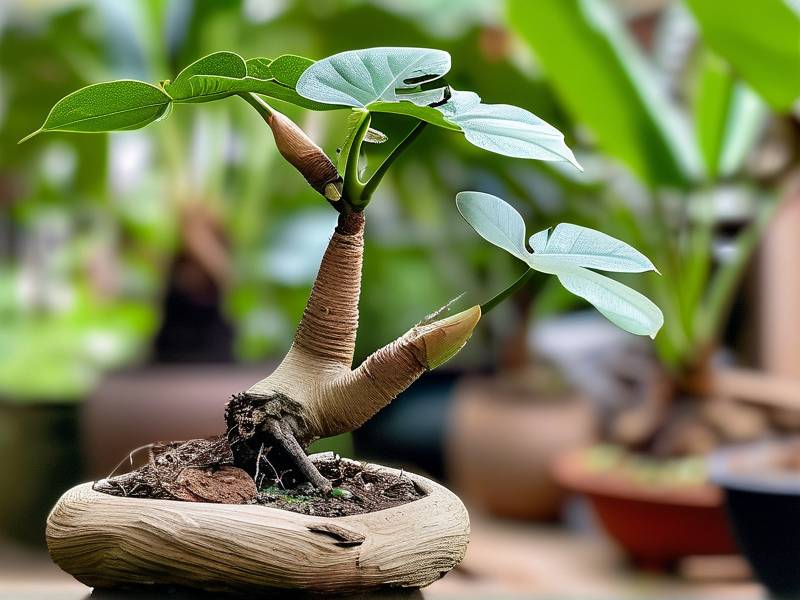
Jade plants (Crassula ovata) are resilient succulents that store water in their thick stems and leaves. As they age, it’s natural for the main trunk and lower stems to become thick, woody, and bare—this is the plant forming a sturdy, tree-like structure. However, problems arise from insufficient light. When a jade plant doesn’t receive enough bright, direct sunlight, it stretches toward the light source in a process called etiolation. This results in weak, elongated growth with large spaces between leaves, exacerbating the "leggy" appearance. Pruning isn't just cosmetic; it redirects the plant's energy to promote denser, more controlled growth from the old stalks.
Essential Tools for Pruning and Control
Before you make a single cut, gather the right tools. Using improper tools can crush stems and invite disease.
- Sharp, Clean Pruners: Use bypass pruners or a sharp, sterile knife. Blunt tools cause ragged tears.
- Rubbing Alcohol: Always disinfect your blades before and after each cut to prevent spreading pathogens.
- Gloves: Optional, but jade sap can be irritating to some skin types.
- Cinnamon Powder (Optional): A natural fungicide to dust on larger cuts.
Step-by-Step Guide to Pruning Old Jade Stalks
This process is about strategic removal to encourage new growth. Don’t be afraid—jade plants are highly responsive to pruning.
Assessing Your Plant’s Structure Start by observing your plant from all angles. Identify the oldest, woodiest stalks. Look for areas that are overly long, crossing each other, or detracting from the overall shape. Visualize the elegant, balanced form you want to achieve—often a compact, tree-like silhouette.
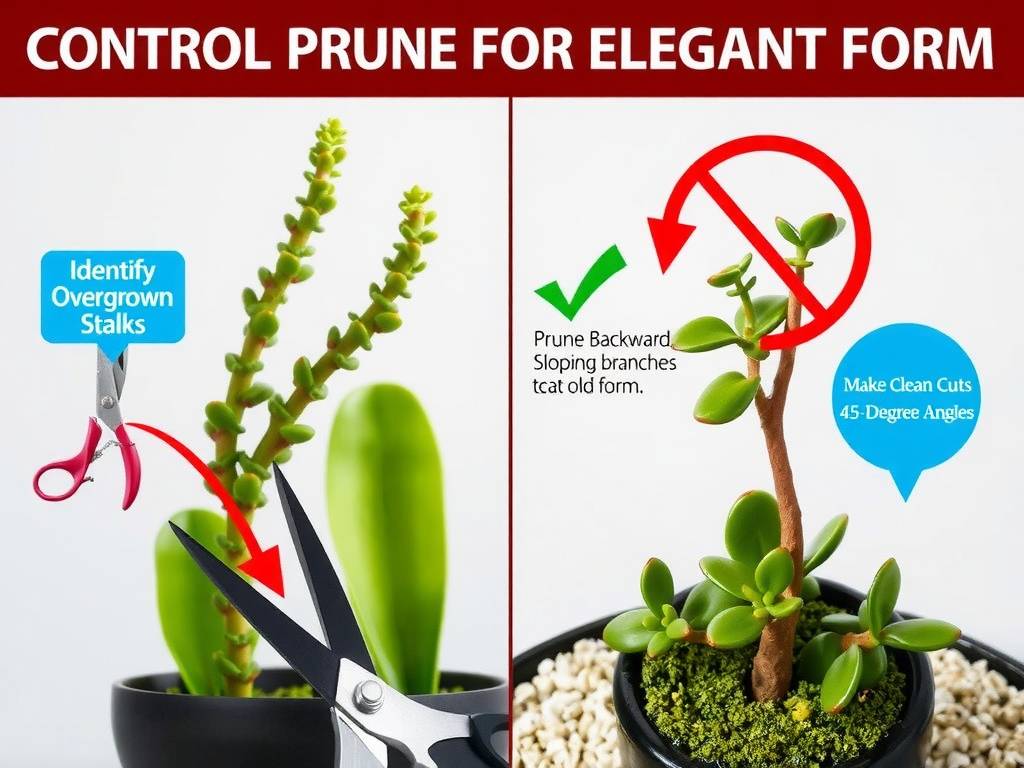
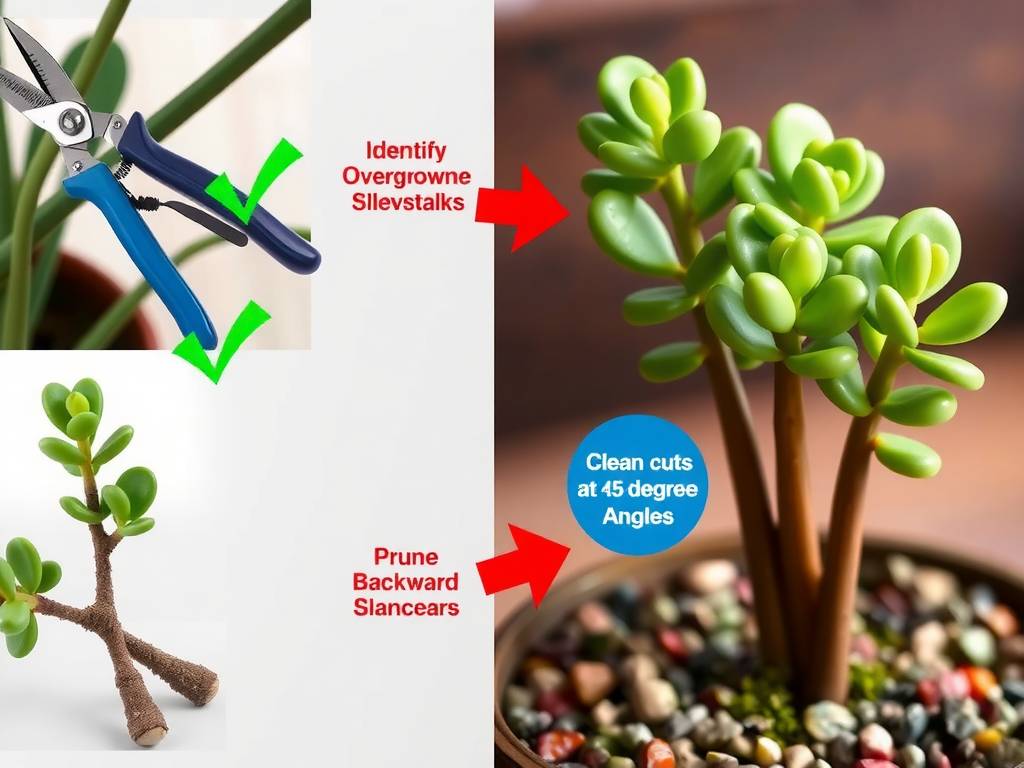
Making the Right Cuts for Regrowth The golden rule is to prune just above a "leaf node." This is the small, ring-like bump on the stem where leaves once grew or currently exist. New branches will emerge from just below this cut. For a completely bare stalk, look closely for these nodes—they are still present. Make a clean, 45-degree angle cut about 1/4 inch above your chosen node. This angled cut helps shed water away from the sensitive new bud. For very thick, old stalks, take your time and ensure a smooth cut.
Shaping for Elegance and Balance Your goal is to encourage a full, branching canopy. After your initial cuts, step back and assess. You may need to make secondary cuts to balance the shape. Aim to open up the center to allow light and air to penetrate. As noted by horticulturist and author Maria Zampini in her work on succulent care, "Strategic pruning mimics natural growth patterns, encouraging the plant to become denser and more self-supporting." Remove any weak, spindly growth that won’t contribute to a strong structure.
Aftercare: Ensuring a Healthy Recovery Post-pruning care is vital. Place your jade in bright, indirect light while it heals; direct sun can stress fresh cuts. Hold off on watering for at least a week to allow the cuts to callous over and prevent rot. After this period, resume your normal watering routine—only when the soil is completely dry. You will soon see tiny pink or green buds forming at the nodes below your cuts, signaling success.
Advanced Techniques for Controlling Old Growth
Sometimes, pruning alone isn't enough for severely overgrown plants.
Air Layering a Thick, Old Stalk If a stalk is too tall and bare but otherwise healthy, consider air layering. This method encourages roots to form on the stalk while it’s still attached to the plant. Make a small upward slit in the stalk or remove a thin ring of bark. Surround the wound with damp sphagnum moss, wrap it in plastic, and secure it. Once roots develop inside the moss (in a few weeks to months), you can cut the stalk off below the new roots and pot it as a new, instantly mature plant.
Supporting and Training New Growth As new branches sprout from your pruned old stalks, you can gently guide them. Use soft plant ties or stakes to direct growth outward or upward, creating a more intentional form. Rotate the pot regularly to ensure even light exposure, preventing new growth from leaning in one direction.
Common Mistakes to Avoid When Pruning Jade Plants
- Over-pruning: Never remove more than 30% of the plant’s foliage at once. This can cause severe shock.
- Wrong Season: The ideal time is during the active growing season—spring or early summer. This gives the plant ample time to recover and push out new growth.
- Dull Tools: Crushed stems heal slowly and are disease magnets.
- Watering Too Soon: This is the fastest way to cause stem rot at the cut sites.
How often should I prune my jade plant to maintain its form? Light, maintenance pruning can be done any time of year to remove a stray branch or leaf. However, for significant reshaping of old stalks, limit major pruning sessions to once per year, ideally in the spring. This aligns with the plant's natural growth surge.
Can I propagate the stems I cut off? Absolutely! This is a major benefit. Let the cuttings (stem pieces 3-4 inches long) dry and callous over for a few days. Then, plant them in a well-draining succulent mix. They will readily root and grow into new plants, making your pruning effort doubly rewarding.
My old stalk looks wrinkled after pruning. Is it dying? A slight wrinkling on old, woody stalks can be normal, especially if you’ve reduced the leafy canopy and the plant is using stored water. Ensure you are not overwatering. If the wrinkling is severe and the stem feels soft, check for rot. If it’s firm, simply monitor—it will often plump back up as new roots and leaves develop.
Transforming your jade plant from leggy to elegant is a rewarding process that deepens your connection to it. By understanding how to strategically control and prune old stalks, you’re not just cutting back growth—you’re directing it, working with the plant’s natural tendencies to create a more beautiful, balanced, and healthy form. With clean cuts, proper aftercare, and a little patience, those bare, woody stems will become the strong, architectural foundation for a lush, green canopy that you’ll be proud to display for years to come.