bluename
 How to Care for Your Small Aloe Vera Plant: A Complete Guide to Thriving Succulents
You've brought home a charming small aloe vera plant, drawn by its promise of easy care and plump, green leaves. But now, you might be noticing its leaves turning thin and brown, or perhaps it's just not growing with the vibrant vigor you expected. The frustration of a struggling succulent is real. The good news? Aloe vera is famously resilient. The secret lies in understanding its simple, desert-born needs: strong light, minimal water, and the right environment. This guide will walk you through every step, transforming you from a worried plant parent into a confident aloe vera expert, ensuring your small plant not only survives but thrives and even rewards you with its rare, beautiful yellow flowers.
Understanding Your Small Aloe Vera Plant
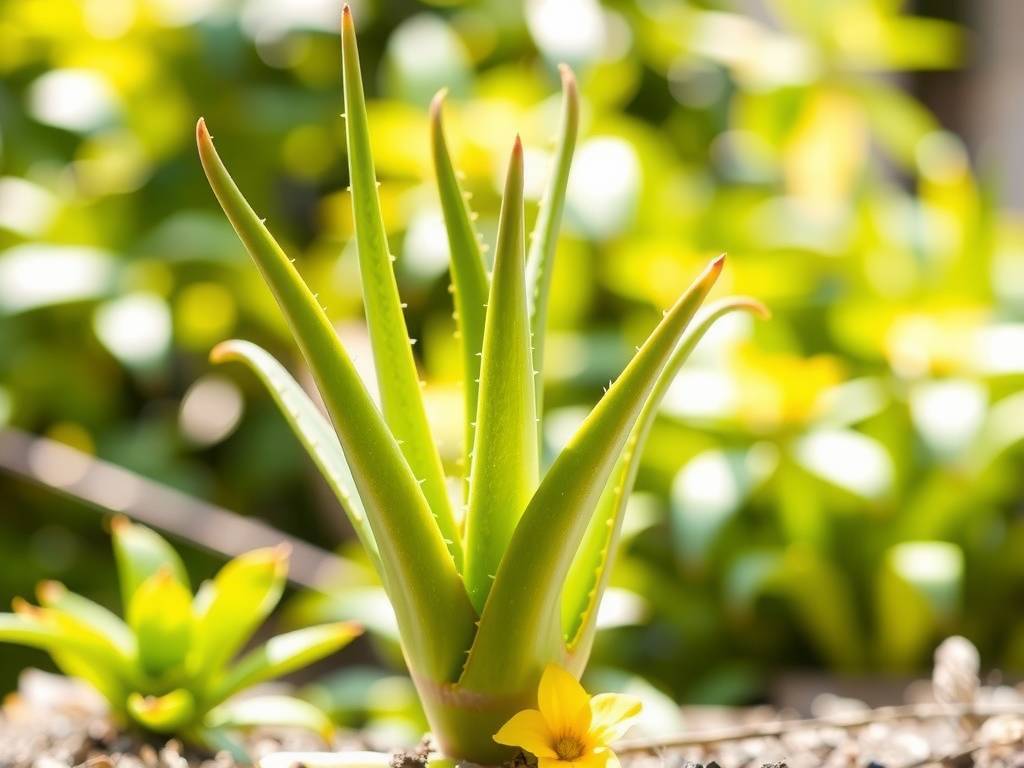
Aloe vera is a succulent, meaning it stores water in its thick, fleshy leaves. This adaptation allows it to endure dry conditions, making it both dry-tolerant and susceptible to overwatering. A healthy small aloe vera features firm, thick green leaves that grow upright in a rosette pattern. When stressed by perfect conditions—often a period of dry, cool rest—mature plants may send up a tall stalk adorned with tubular yellow flowers. Your goal is to replicate the bright, arid conditions of its native habitat.
Providing the Perfect Light: Strong but Not Scorching
Light is the most critical factor for your aloe. These plants crave strong light to maintain their compact shape and deep green color.
- Ideal Location: Place your small aloe vera in a south- or west-facing window where it will receive several hours of direct sunlight daily. An east-facing window with bright morning light is also excellent.
- Avoiding Sunburn: While they love light, a small aloe vera suddenly moved from a dim corner to intense, direct summer sun can scorch. Signs include brown or bleached, dry patches on the leaves. If moving your plant to a brighter spot, acclimate it gradually over a week or two.
- Low-Light Warning: In insufficient light, your aloe will tell you. It will start to "stretch" or etiolate, growing tall and leggy with pale, widely spaced leaves. This weak growth is irreversible. If you notice this, gradually provide more light. For very dark spaces, a grow light can be a lifesaver.
As noted by the University of Florida's IFAS Extension, most succulents, including aloe vera, require high light levels to prevent etiolation and maintain plant health.
Mastering the Art of Watering: Embracing Dry-Tolerance
Overwatering is the single fastest way to harm a small aloe vera plant. Its dry-tolerant nature means it prefers neglect over fuss.
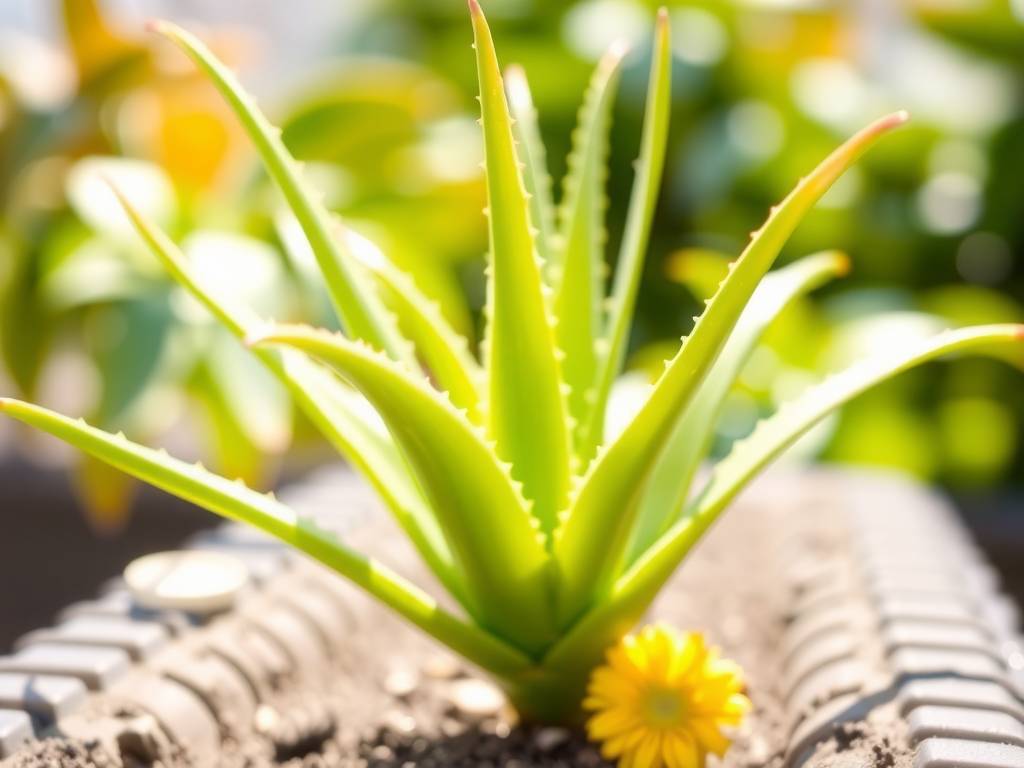
- The Golden Rule: Soak and Dry. Water deeply only when the soil is completely dry. Stick your finger about 2 inches into the potting mix. If it feels dry, it's time to water. Pour water evenly over the soil until it runs freely out of the drainage holes. Then, let all excess water drain away completely. Never let the plant sit in a saucer of water.
- Seasonal Adjustments: Your aloe's thirst changes with the seasons. Water more frequently in the spring and summer (every 2-3 weeks) when it's actively growing. In fall and winter, reduce watering significantly, potentially only once a month or less, as the plant enters a dormant period.
- Signs of Trouble: Soft, mushy, brown leaves at the base signal root rot from overwatering. Wrinkled, thin, and curled leaves indicate severe underwatering. The latter is easier to fix—a good soak will often plump the leaves back up within a day or two.
Choosing Soil and Pot for Healthy Roots
The right home for your aloe's roots is non-negotiable. It needs a fast-draining environment.
- Soil Mix: Use a commercial cactus and succulent potting mix. For even better drainage, you can amend it with extra perlite or coarse sand (a 50/50 mix is a safe bet). This prevents moisture from lingering around the roots.
- Pot Selection: Always choose a pot with at least one drainage hole. Terracotta pots are ideal for beginners because they are porous, allowing soil to dry out more quickly than plastic or ceramic pots. For a small aloe vera, select a pot that is only 1-2 inches wider than the root ball; too much soil holds excess moisture.
Routine Care for Growth and Vitality
Beyond light and water, a few simple practices will keep your plant in top shape.
- Feeding: Aloe vera is not a heavy feeder. Fertilize sparingly, only during the active growing season (spring and summer). Use a balanced, water-soluble fertilizer diluted to half-strength, applied once a month at most. Avoid fertilizing in fall and winter.
- Repotting: Repot your small aloe vera every 2-3 years, or when you see roots growing out of the drainage holes. This refreshes the soil and gives the roots room to expand. The best time to repot is in the spring.
- Harvesting Aloe Gel: To use the gel, select a mature, outer leaf and cut it cleanly at the base. Slice it lengthwise and scoop out the clear gel. The plant will seal the wound on its own.
Troubleshooting Common Aloe Vera Problems
Even with great care, issues can arise. Here’s how to fix them.
- Soft, Drooping Leaves: Almost always a sign of overwatering. Stop watering immediately. Check the roots. If they are brown and mushy, you may need to cut away the rot, let the plant callous, and repot in fresh, dry soil.
- Thin, Curling Leaves: This is your aloe's cry for water. Give it a thorough soak using the "soak and dry" method.
- Brown Leaf Tips: Can be caused by mineral buildup from tap water or occasional underwatering. Try using filtered or rainwater, and ensure you're watering deeply when you do.
- Pests: Aloe can occasionally attract mealybugs (small, white, cottony pests) or scale. Wipe them off with a cotton swab dipped in rubbing alcohol.
Encouraging Those Beautiful Yellow Flowers
While flowering indoors is less common, a happy, mature small aloe vera plant can produce a stunning spike of yellow flowers. To encourage this:
- Ensure it receives enough strong light year-round.
- Provide a cooler, dry rest period in the winter with reduced watering.
- Use a fertilizer with a slight boost in phosphorus during the growing season. Mature plants are more likely to bloom, so patience is key.
Why won't my aloe vera plant stand up straight? This is typically due to insufficient light, causing the plant to stretch and weaken, or overwatering, which leads to soft, unstable roots and leaves. Assess your light and watering habits first. You can stake the plant gently for support as you correct its care.
Can I grow a small aloe vera plant in my office under fluorescent lights? Yes, it is possible. While not ideal, bright fluorescent office lighting can sustain a small aloe vera, especially if it's placed directly under the light source for 8-10 hours a day. Watch for signs of stretching, which means it needs more intensity.
Is the gel from my small plant safe to use on skin? Absolutely. The clear gel inside the leaves is renowned for its soothing properties for minor burns, cuts, and skin irritations. Always do a patch test first, as some individuals may have sensitivities. Use gel from a healthy, mature leaf and avoid the yellow latex (a bitter sap) that lies just under the leaf skin.
Caring for a small aloe vera plant is a rewarding journey of understanding its simple language. By providing a sunny spot, watering with a restrained hand, and potting it in a well-draining home, you are setting the stage for success. Pay attention to the signals in its thick green leaves—they will tell you everything you need to know. With this consistent care, your resilient succulent will not only grow steadily but may one day surprise you with a magnificent display of yellow flowers, a true testament to your skilled plant parenthood. Enjoy the calm, green presence it brings to your space.