bluename
 How to Care for Bougainvillea (Double Petal): Strong Light, Heat-Tolerant, Blooms for Half a Year
Are you struggling to keep your bougainvillea blooming vibrantly throughout the season? Many gardeners find their double petal bougainvillea fails to produce the stunning floral displays they hoped for, despite their reputation as hardy, heat-tolerant plants. The secret lies in understanding their unique needs for strong light, proper watering, and strategic pruning. With the right care, these tropical beauties can bloom continuously for up to six months, transforming your garden into a cascade of color.
Understanding Double Petal Bougainvillea
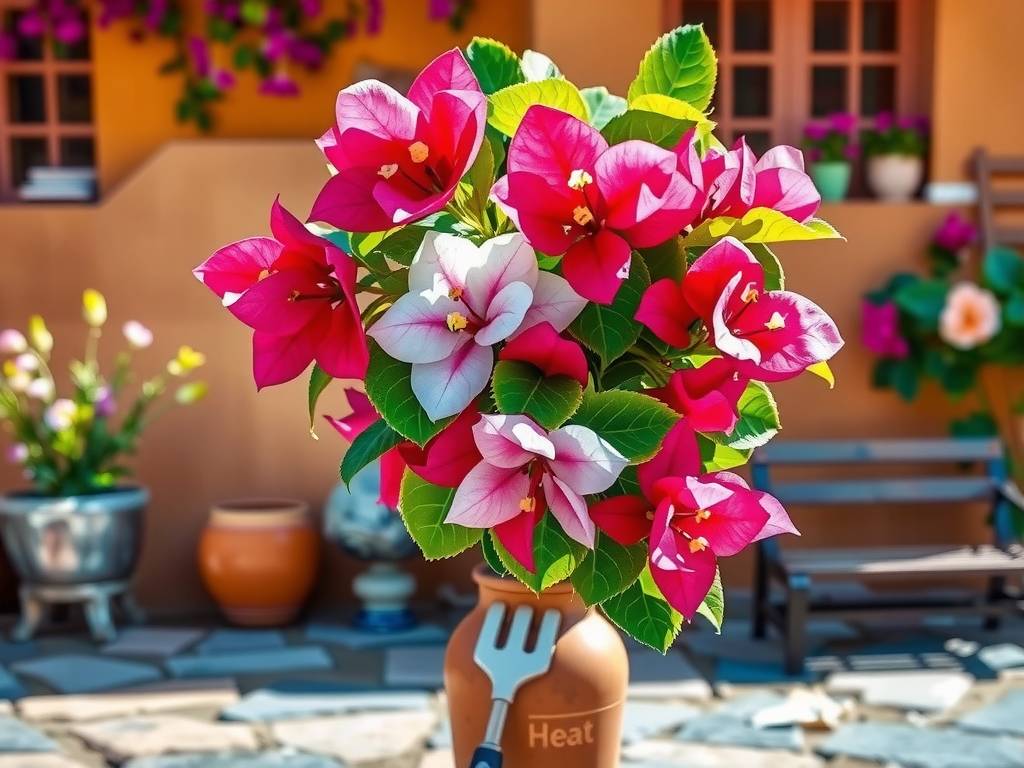
Double petal bougainvillea, known for their multi-layered, papery bracts, are a spectacular variety of this popular vine. Unlike the single-layer varieties, they offer a fuller, more rose-like appearance. These plants thrive in warm climates and are remarkably resilient once established. Their long blooming period makes them a favorite for gardeners seeking lasting color.
The Critical Role of Strong Light
Bougainvilleas are sun worshippers. They require a minimum of six hours of direct sunlight daily to trigger and sustain their prolific blooming cycle. Insufficient light is the primary reason these plants fail to flower.
Ideal Sun Exposure
Place your double petal bougainvillea in the sunniest spot available. A south-facing location is perfect. The intense light fuels photosynthesis, providing the energy needed to produce their vibrant bracts. In very hot climates, some afternoon shade can prevent scorching, but full sun is generally best.
What to Do in Low-Light Conditions
If you have limited sun, consider growing your bougainvillea in containers. This allows you to move them to follow the sun. As a last resort, using a high-output grow light can supplement natural sunlight, though natural light is always preferable for robust growth.
Thriving in Heat: A Truly Heat-Tolerant Plant
Your double petal bougainvillea is built for the heat. It flourishes in temperatures between 75°F and 95°F (24°C - 35°C). This heat tolerance is key to its ability to bloom for half the year, especially in summer.
Managing Extreme Heat and Humidity
While heat-tolerant, ensure the plant has adequate water during heatwaves. High humidity is generally well-tolerated but can increase the risk of fungal diseases if the foliage remains wet. Good air circulation is crucial. According to horticultural studies from the University of Florida, bougainvillea's drought tolerance increases significantly once its root system is fully established.
Watering for Success: Less is Often More
Overwatering is a common mistake. These plants prefer to dry out between waterings. A deep, thorough watering followed by a period of drought encourages strong, deep roots and promotes flowering.
Creating a Smart Watering Schedule
Water when the top 1-2 inches of soil feel dry to the touch. In peak summer, this might be every few days. During cooler months, it could be weekly. Container plants will need water more frequently than those in the ground. Always ensure your pot has excellent drainage to prevent root rot.
Feeding for a Six-Month Bloom
To support its long blooming season, your double petal bougainvillea needs proper nutrition. Fertilize regularly during the growing season with a balanced, slow-release fertilizer or one high in phosphate.
Choosing the Right Fertilizer
A fertilizer with a ratio like 6-8-10 or similar is ideal. The higher phosphate (the middle number) encourages the development of bracts and flowers. Apply fertilizer every 4-6 weeks from early spring until late summer. Avoid high-nitrogen fertilizers, as they will promote leafy growth at the expense of blooms.
Pruning and Training for Maximum Impact
Pruning is essential for maintaining shape and encouraging new growth, which is where flowers form. The best time to prune is right after a flush of blooms begins to fade.
Effective Pruning Techniques
Pinch back the soft tips of new growth to encourage bushiness. For harder pruning, cut back branches by a third. Always prune just above a leaf node. You can train your bougainvillea as a climbing vine, a sprawling shrub, or even a standard tree form with consistent pruning.
Planting and Soil Requirements
Well-draining soil is non-negotiable. A sandy or loamy mix is perfect. If your soil is heavy clay, amend it with compost and sand or plant in a raised bed. For container gardening, use a high-quality potting mix designed for cacti or succulents, which provides the fast drainage bougainvillea craves.
Can I grow double petal bougainvillea in a cooler climate? Yes, but it requires extra care. Grow it in a container that can be moved indoors before the first frost. Place it in a sunny window and reduce watering during the winter dormancy period.
Why is my bougainvillea not blooming even with plenty of sun? The most likely causes are overwatering, over-fertilizing with nitrogen, or a lack of phosphorus in the soil. Check your watering habits and switch to a bloom-boosting fertilizer to encourage flowering.
How do I protect my bougainvillea during winter? If temperatures dip below 40°F (4°C), bring potted plants indoors. For in-ground plants, a thick layer of mulch around the base can help protect the roots. The plant may lose its leaves but will often regrow in spring.
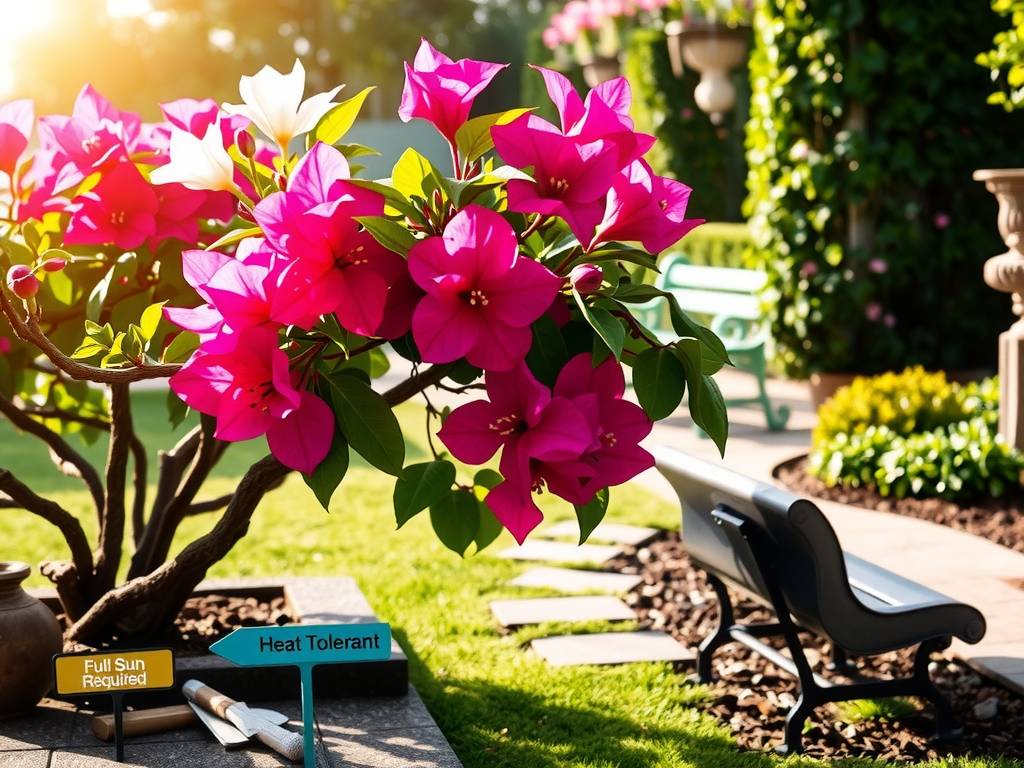
By providing strong light, embracing its heat-tolerant nature, and following a disciplined watering and feeding schedule, you can enjoy the spectacular, long-lasting display of your double petal bougainvillea. This resilient plant rewards simple, consistent care with an unforgettable show of color that can last for months on end.