bluename
 How to Care for Hyacinth (Double Petal): Cool Light, Bright Fragrant Flowers
There’s nothing quite like the vibrant colors and intoxicating fragrance of hyacinths in full bloom. But when it comes to the double-petal hyacinth, with its lush, multi-layered blossoms, many gardeners find themselves struggling to keep these beauties thriving. You might be asking: Why are the flower spikes drooping? Why isn’t the fragrance as potent as expected? Or worse, why did the bulbs fail to rebloom? These challenges often stem from misunderstandings about their specific needs, particularly regarding light, temperature, and post-bloom care. This comprehensive guide will walk you through every step to ensure your double-petaled hyacinths not only survive but flourish, filling your space with their signature bright, fragrant flowers.
Understanding Double Petal Hyacinths
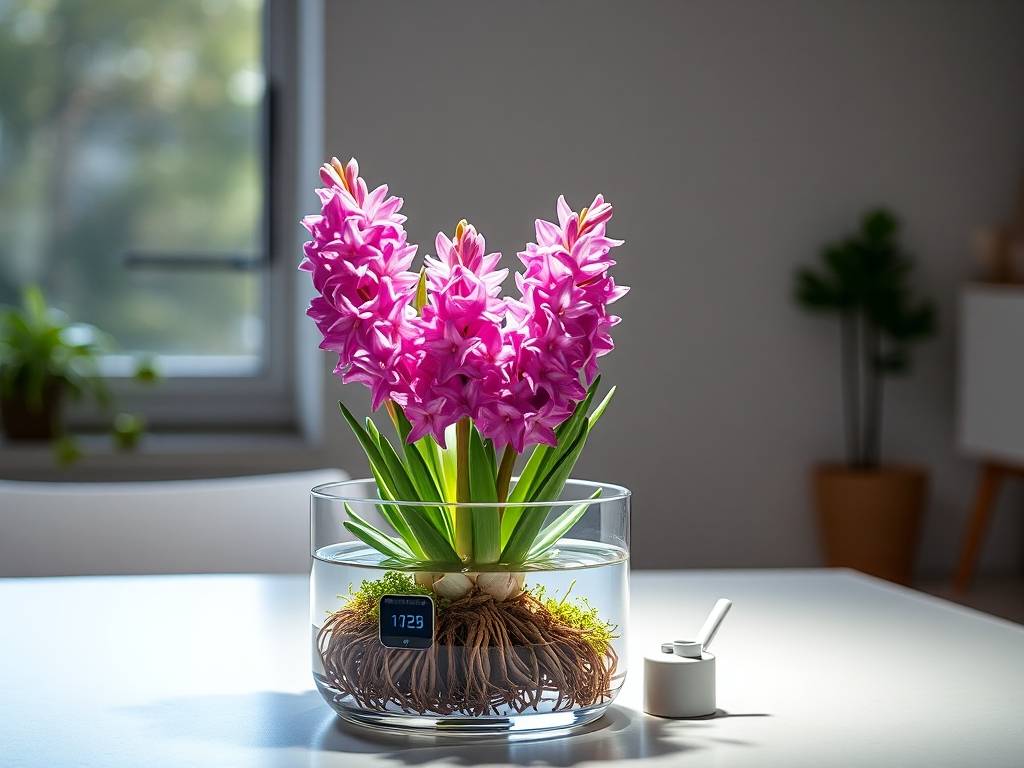
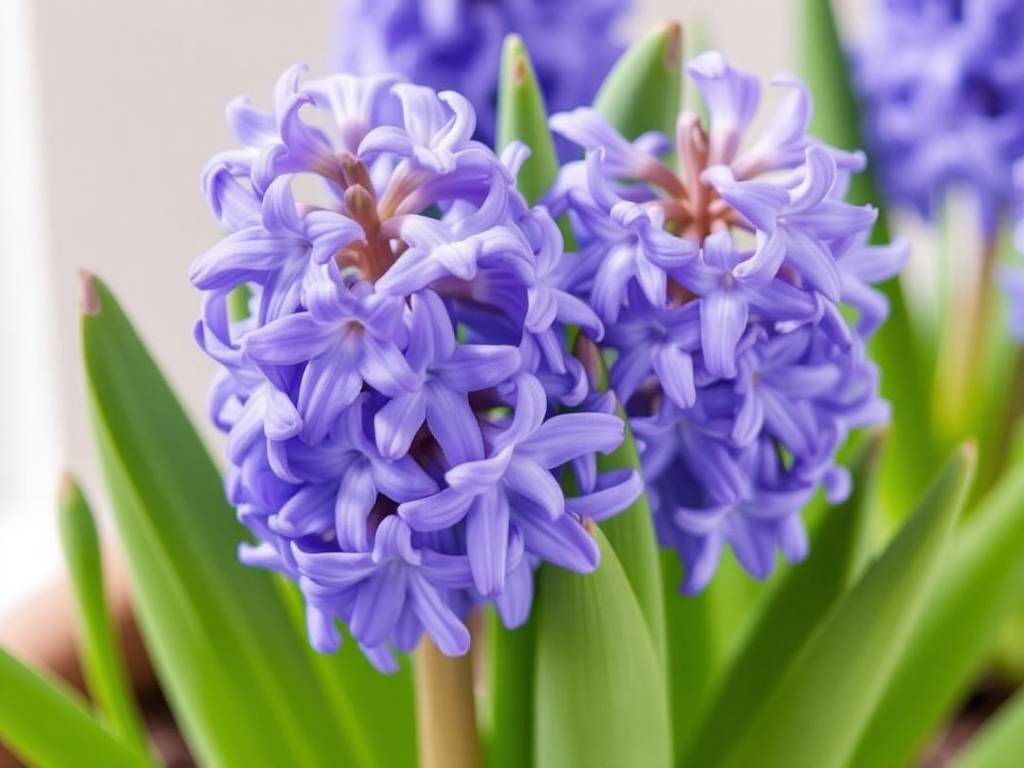
Double petal hyacinths, also known as double-flowered hyacinths, are a spectacular variant of the common hyacinth. Unlike their single-petaled cousins, these plants produce dense clusters of extra petals, giving the flower spikes a fuller, almost ruffled appearance. Popular varieties include ‘Splendid Cornelia’ with its deep pink blooms and ‘White Pearl’ known for its pristine, multi-layered white flowers. Their unique structure means they sometimes require slightly different care, particularly in supporting their heavier blooms.
Essential Growing Conditions for Healthy Blooms
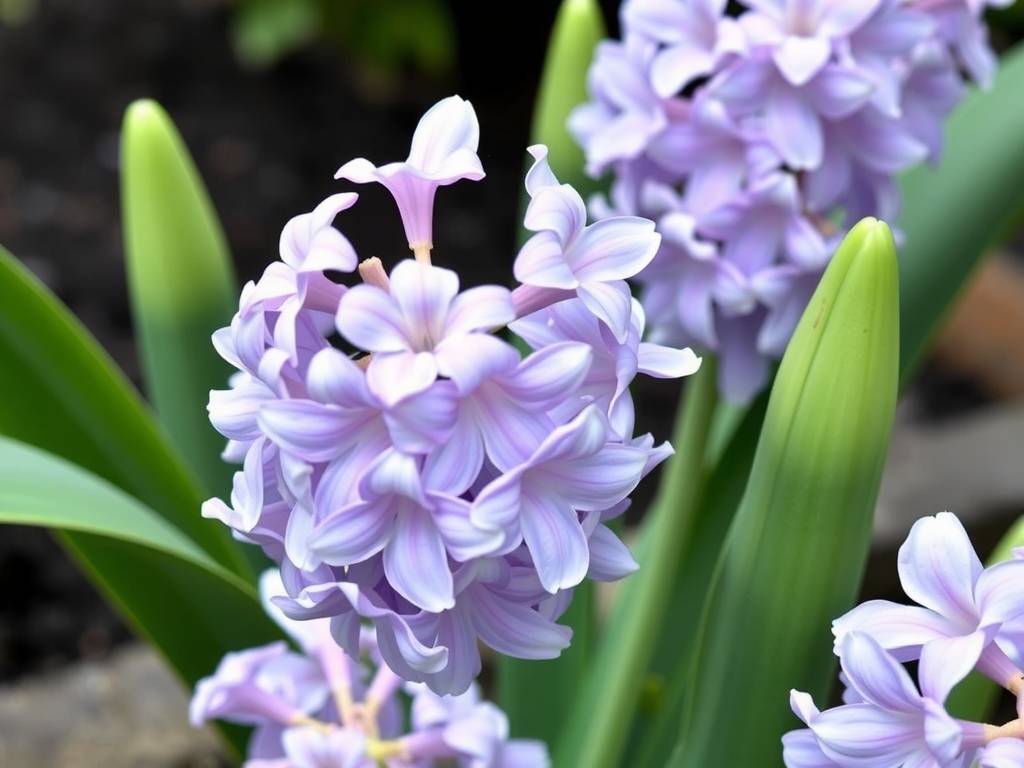
To grow vibrant double petal hyacinths, you need to replicate the conditions they love. These plants thrive in cool climates and require specific light and soil environments to produce their iconic bright fragrant flowers.
Ideal Light Requirements Hyacinths prefer cool light—meaning bright but indirect sunlight. Place them in a spot where they receive at least 6 hours of filtered sunlight daily, such as near an east-facing window. Direct afternoon sun can scorch the petals and cause colors to fade. If you’re growing them indoors, rotate the pots periodically to ensure even growth.
Optimal Temperature Range These plants are cool-weather lovers. During the blooming phase, maintain temperatures between 50-65°F (10-18°C). Excessive heat can shorten bloom duration and weaken fragrance. If you’re forcing bulbs indoors, avoid placing them near radiators or heating vents.
Soil and Drainage Needs Well-draining soil is non-negotiable. Use a mix of potting soil, sand, and peat moss to ensure good drainage and aeration. Hyacinths are prone to bulb rot in waterlogged conditions. Aim for a slightly acidic to neutral pH (6.0-7.0) for optimal nutrient uptake.
Step-by-Step Planting Guide
Planting double petal hyacinths correctly sets the foundation for a stunning display. Follow these steps for success.
Choosing the Right Bulbs Select firm, plump bulbs free of mold or soft spots. Larger bulbs often produce more robust flower spikes. For double petal hyacinth care, source bulbs from reputable nurseries to ensure quality.
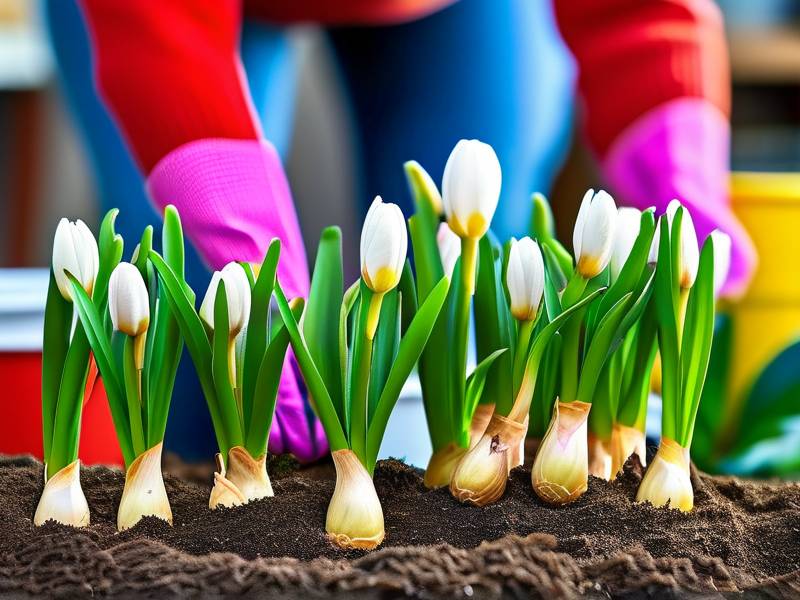
Planting Depth and Spacing Plant bulbs 4-6 inches deep and 3-4 inches apart, with the pointed end facing upward. In containers, you can plant them closer together but avoid letting the bulbs touch. Cover with soil and water thoroughly.
Initial Watering and Care After planting, water moderately to settle the soil. Keep the soil lightly moist but not soggy until roots establish. Once green shoots appear, you can gradually increase watering frequency.
Watering and Feeding Schedule
Proper hydration and nutrition are key to maintaining those lush double blooms and intense fragrance.
Watering Frequency and Methods Water when the top inch of soil feels dry. Overwatering is a common mistake that leads to bulb rot. Use a watering can with a narrow spout to direct water to the soil, avoiding the leaves and flowers.
Fertilizer Types and Timing Feed your hyacinths with a balanced, slow-release fertilizer (10-10-10) when planting and again as flower spikes emerge. Avoid high-nitrogen fertilizers, which can promote leaf growth at the expense of blooms.
Maintaining Cool Light and Managing Temperature
The phrase “cool light” isn’t just a suggestion—it’s a requirement for double petal hyacinth care. These plants need bright but not hot light to develop strong stems and vibrant colors. If you’re growing them indoors, consider using grow lights that emit full-spectrum cool light without generating excess heat. Outdoors, provide afternoon shade in warmer climates to protect them from heat stress.
Encouraging Bright Fragrant Flowers
To maximize the fragrance and color of your double petal hyacinths, focus on these key practices.
Enhancing Flower Color and Scent Adequate cool light exposure intensifies flower color, while consistent moisture and proper feeding boost fragrance. Some gardeners swear by adding a teaspoon of Epsom salt to the soil to enhance bloom vitality.
Deadheading and Pruning Tips Remove spent flowers by snipping off the flower spike just below the blossom cluster. This prevents seed formation and directs energy back to the bulb. Leave the foliage intact until it yellows and withers naturally.
Dealing with Common Pests and Diseases
Even with perfect care, hyacinths can face challenges. Stay vigilant for these issues.
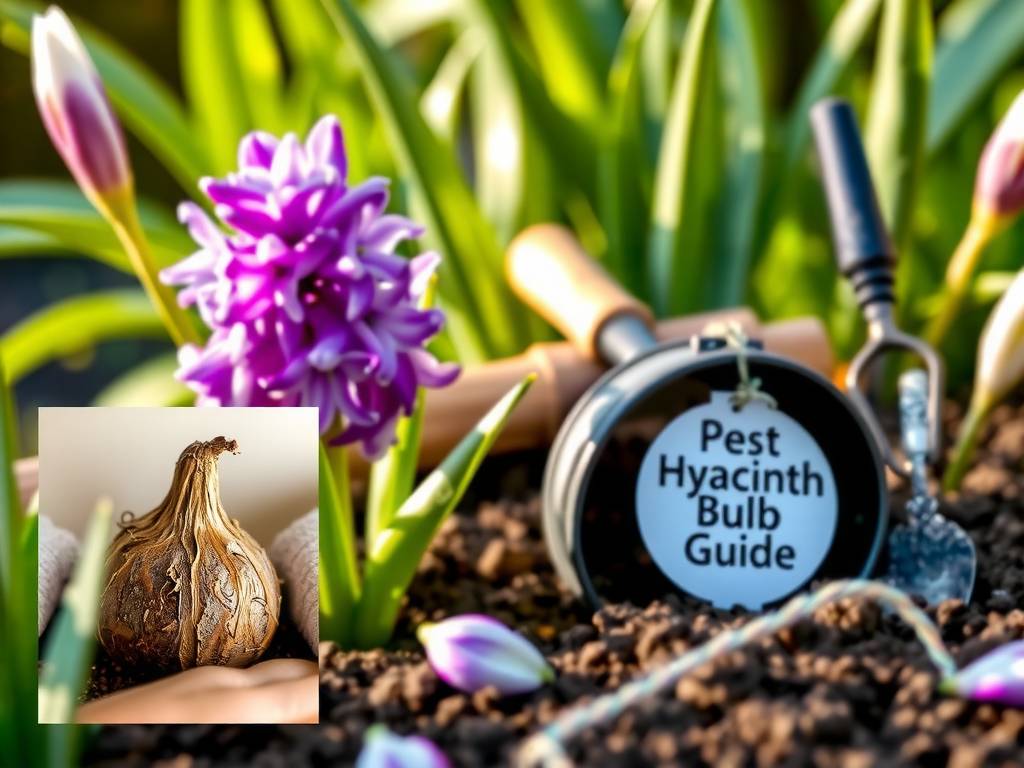
Identifying Common Issues Look out for bulb rot (soft, mushy bulbs), yellowing leaves due to overwatering, or aphids on flower spikes. Fungal diseases like gray mold can occur in humid conditions.
Organic and Chemical Solutions For pests like aphids, spray with a diluted neem oil solution. Improve air circulation to prevent fungal issues. If bulb rot occurs, you may need to discard affected bulbs and replant in fresh, well-draining soil.
Post-Bloom Care and Bulb Storage
Many people discard hyacinths after blooming, but with proper care, you can enjoy them year after year.
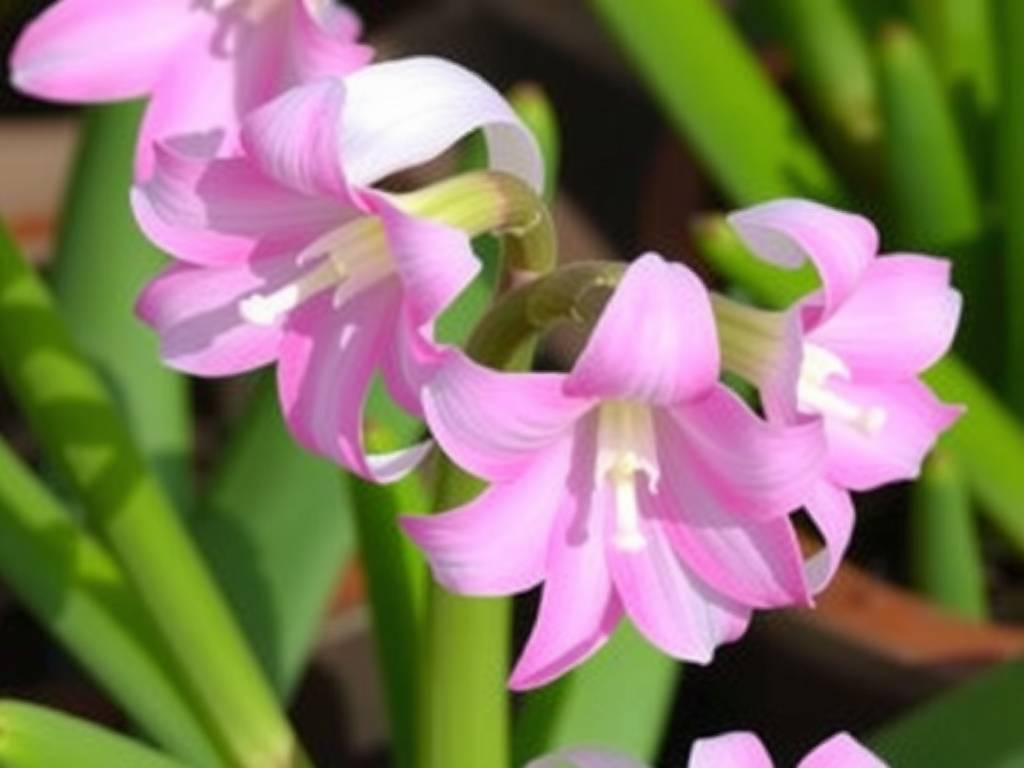
After-Bloom Maintenance Continue watering and feeding the plant until the leaves die back naturally. This allows the bulb to store energy for the next growing season.
Storing Bulbs for Next Season Once foliage has yellowed, carefully dig up the bulbs, brush off soil, and store them in a cool, dry place in a mesh bag. Replant them in the fall for another season of bright fragrant flowers.
Why are my double petal hyacinth flowers drooping? Drooping flower spikes are often caused by insufficient light or high temperatures. Move the plant to a brighter location with cool, indirect light and ensure consistent moisture.
Can I grow double petal hyacinths indoors year-round? While you can force them to bloom indoors, they require a dormant period in cool conditions to rebloom. After flowering, store the bulbs in a cool, dark place for 10-12 weeks before replanting.
How do I enhance the fragrance of my hyacinths? Fragrance intensity is influenced by light and temperature. Provide bright, cool light and avoid extreme heat. Slightly stressing the plant by allowing the soil to dry slightly between waterings can sometimes intensify scent, but avoid drought conditions.
Growing double petal hyacinths successfully revolves around mastering their preference for cool light and consistent care. By providing the right planting conditions, mindful watering, and proper post-bloom attention, you’ll be rewarded with those stunning, bright fragrant flowers year after year. Remember, the extra effort these double blooms require is well worth it when you experience their unparalleled beauty and scent.