bluename
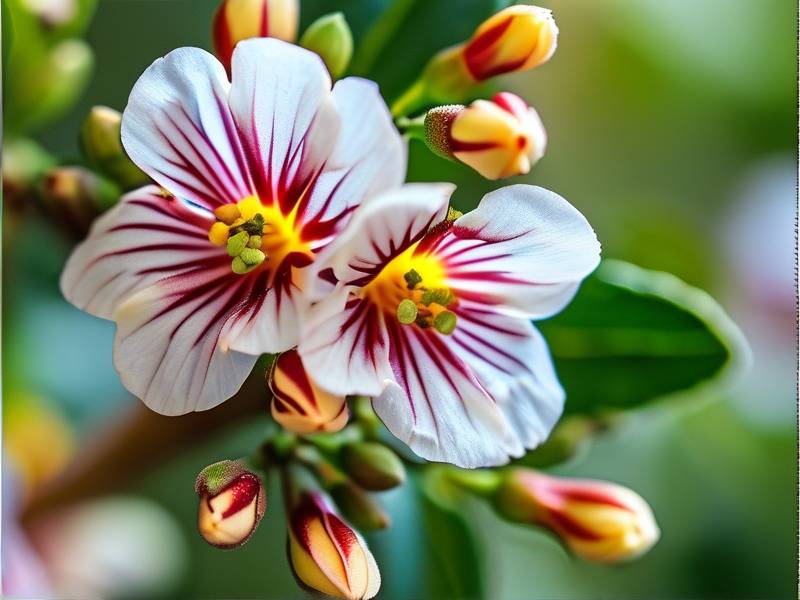
 With their stunning bell-shaped flowers that bloom from winter through spring, the orchid cactus has become one of the most sought-after houseplants for 2025. These epiphytic cacti, scientifically known as Epiphyllum, create spectacular displays when properly cared for, producing breathtaking single-petal flowers in shades of pink, white, red, and orange.
Understanding their natural habitat is key to success with these plants. Unlike desert cacti, orchid cacti grow in tropical forests where they receive filtered light through the canopy. This explains their preference for bright but indirect light conditions rather than direct sunlight.
Light Requirements: The Filtered Light Approach
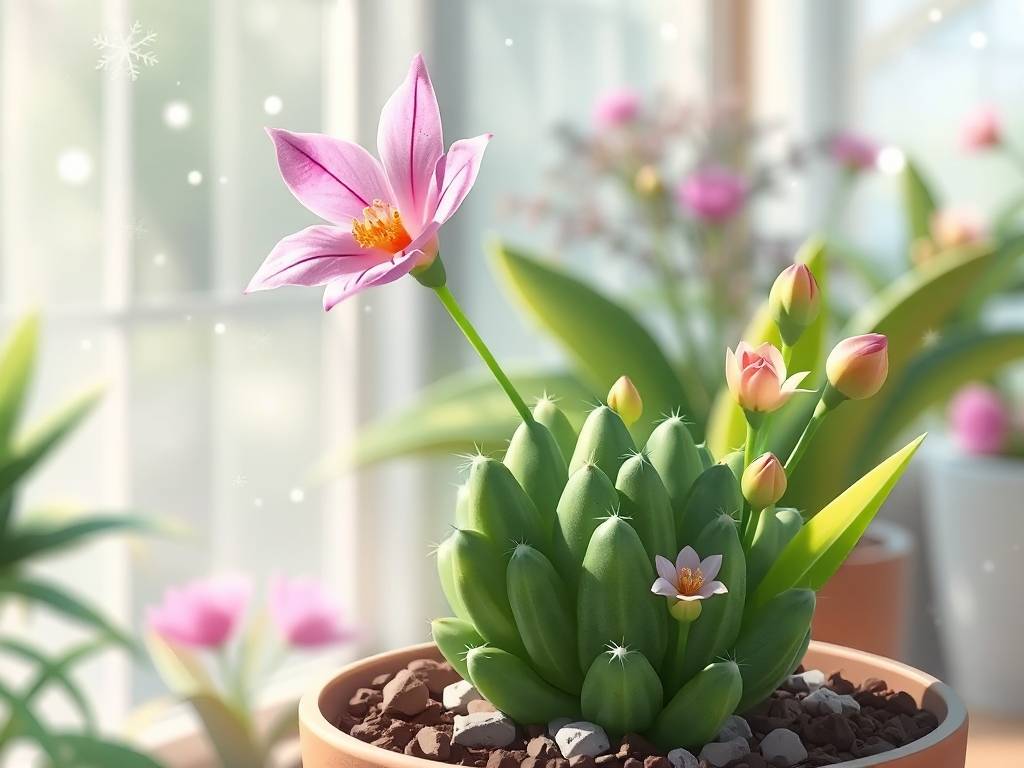
Getting the light conditions right is perhaps the most crucial aspect of orchid cactus care. These plants thrive in bright, filtered light similar to what they would receive in their natural environment beneath tree canopies.
East-facing windows are ideal locations as they provide gentle morning sun without the intense afternoon rays that can scorch the leaves. If you only have south or west-facing windows, use sheer curtains to diffuse the light. The leaves will tell you if the light is correct – they should maintain a rich green color without any yellowing or reddish tints, which indicate too much light.
Many growers are now using adjustable LED grow lights with timers, which have become increasingly sophisticated in 2025. These allow precise control over light intensity and duration, especially beneficial during darker winter months when natural light may be insufficient.
Watering Techniques for Healthy Growth
Watering needs change with the seasons. During the active growing season from spring through fall, water thoroughly when the top inch of soil feels dry. Ensure complete drainage – these plants dislike sitting in waterlogged soil.
In winter, reduce watering significantly, allowing the soil to dry out more between waterings. This drier period actually helps stimulate the flower bud formation for the upcoming blooming season.
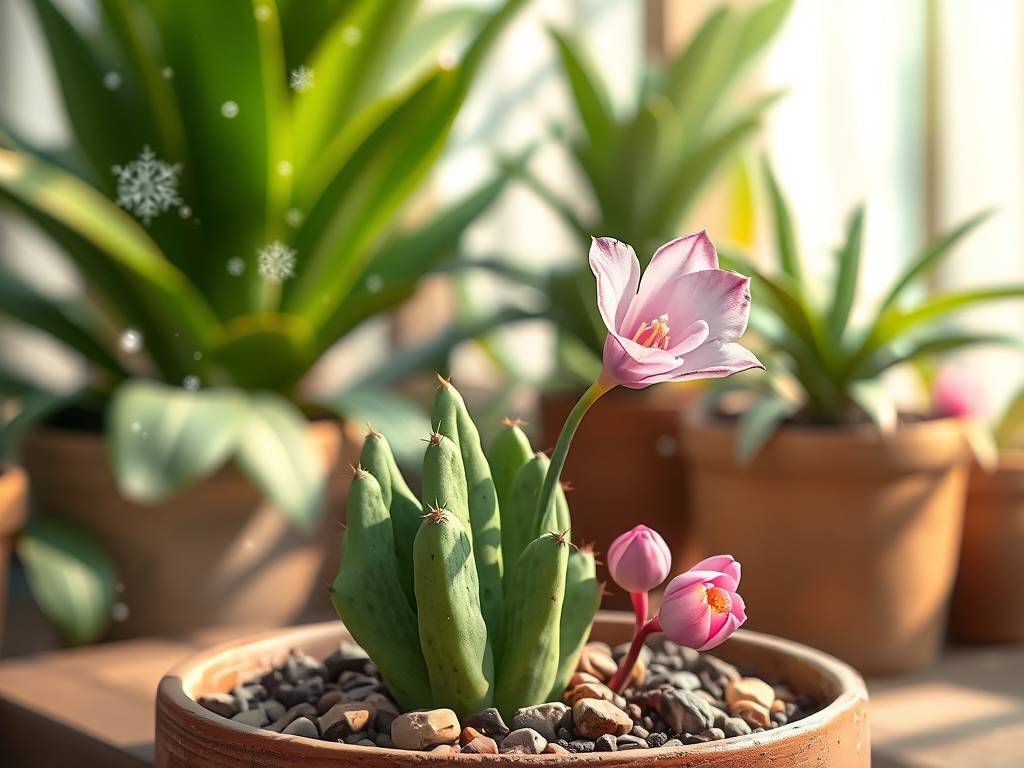
The quality of water matters more than many realize. These plants are sensitive to chemicals in tap water. Using filtered, rainwater, or distilled water can prevent tip burn and mineral buildup in the soil. This simple switch often makes a noticeable difference in plant health.
Soil and Potting Mix Formulation
The right potting mix is essential for orchid cactus health. They require a well-draining, slightly acidic mix that mimics their natural growing medium. A recommended blend includes:
- Two parts high-quality potting soil
- One part perlite or pumice
- One part orchid bark or coconut coir
- A handful of horticultural charcoal to keep the mix fresh
Repotting should occur every 2-3 years, or when the plant becomes root-bound. Spring is the ideal time for repotting, just as the plant emerges from its winter rest period. Choose a container only slightly larger than the previous one, as too much space can lead to overwatering issues.
Temperature and Humidity Preferences
Orchid cacti prefer temperatures between 65-80°F (18-27°C) during the growing season. They can tolerate slightly cooler temperatures in winter, but should never be exposed to temperatures below 50°F (10°C).
Moderate to high humidity levels of 40-60% are ideal. In dry indoor environments, especially during winter when heating systems are running, consider using a humidifier or placing the plant on a pebble tray with water. Grouping plants together also helps create a more humid microclimate.
Feeding and Nutrition Schedule
Proper fertilization is crucial for encouraging those spectacular winter-spring blooms. Use a balanced, water-soluble fertilizer diluted to half strength during the growing season. Many experts now recommend switching to a bloom-booster fertilizer with higher phosphorus content in late fall to support flower development.
Recent studies from the International Epiphyllum Society show that plants receiving consistent, appropriate nutrition throughout the year produce up to 40% more flowers than those fertilized irregularly.
Encouraging Winter-Spring Bell-Shaped Flowers
The magnificent bell-like flowers that appear from winter through spring don't happen by accident. They require specific conditions to form:
First, ensure the plant experiences slightly cooler temperatures (around 55-60°F/13-15°C) during the fall months. This temperature drop, combined with reduced watering, signals the plant to begin flower bud formation.
Second, avoid moving the plant once buds appear. Even slight changes in orientation can cause bud drop. The plant becomes accustomed to its light direction, and sudden changes can stress it.
Third, provide consistent care throughout the bud development period. Fluctuating conditions are the most common reason for bud drop before flowers open.
Common Problems and Solutions
Yellowing leaves often indicate too much direct sunlight or overwatering. Adjust the plant's location and review your watering schedule.
Lack of flowers typically results from insufficient light during the growing season, inadequate winter rest period, or nutritional deficiencies.
Root rot appears when soil remains too wet for extended periods. Improve drainage and reduce watering frequency.
Pests like mealybugs and spider mites can occasionally appear. Regular inspection and prompt treatment with horticultural oil or insecticidal soap usually resolves these issues.
Propagation Techniques
Propagating orchid cactus is straightforward. Take stem cuttings in spring or early summer, allowing the cut end to callous over for a few days before planting in moist potting mix. Keep the soil slightly moist until roots develop, which typically takes 3-6 weeks.
Many growers are experimenting with new propagation methods in 2025, including air layering techniques that encourage rooting while the cutting remains attached to the mother plant.
Seasonal Care Calendar
Spring: Increase watering as growth resumes. Begin regular fertilization. This is the ideal time for repotting if needed.
Summer: Maintain consistent watering and fertilization. Protect from intense afternoon sun. This is the main growth period.
Fall: Begin reducing water and fertilizer. Allow temperatures to cool slightly to encourage bud formation.
Winter: Water minimally, just enough to prevent shriveling. Enjoy the spectacular bell-shaped flowers as they appear.
Display and Enjoyment
These plants make spectacular displays when their cascading stems are allowed to trail from hanging baskets or elevated shelves. The bell-shaped flowers typically open in the evening and may last several days, filling the space with their subtle fragrance.
With proper care focused on filtered light, appropriate watering, and seasonal adjustments, your orchid cactus will reward you with increasingly spectacular floral displays each year. The key is consistency and attention to the plant's natural rhythms – work with its preferences rather than against them, and you'll be amazed at the results.