bluename
 How to Care for Indoor Haworthia Cooperi: Tips for Translucent Leaves
Understanding Haworthia Cooperi’s Unique Needs
1. Light: The Key to Keeping Haworthia Cooperi’s Leaves Translucent
Where to Place Your Haworthia Cooperi Indoors
Best spots: East-facing windowsills are ideal. They get soft morning sunlight (which is gentle enough) and shade in the afternoon. North-facing windows also work well, as they provide consistent, indirect light without the intensity of midday sun.
Avoid these spots: West-facing or south-facing windows with unfiltered sunlight (especially from 10 AM to 4 PM). Direct sun will scorch the leaves, turning the translucent “windows” brown or white (sunburn) and ruining their delicate appearance. Also, keep it away from bright artificial lights (like strong LED grow lights) for more than 8 hours a day—too much light can still stress the plant.
Signs Your Haworthia Cooperi Isn’t Getting Enough Light
2. Watering: Avoid Overwatering to Prevent Leaf Damage
Step-by-Step Watering Guide for Haworthia Cooperi
Check soil dryness first: Stick your finger 1-2 inches into the soil. Only water if the soil is completely dry (this usually takes 1-2 weeks in spring and summer, and 3-4 weeks in fall and winter, when growth slows down).
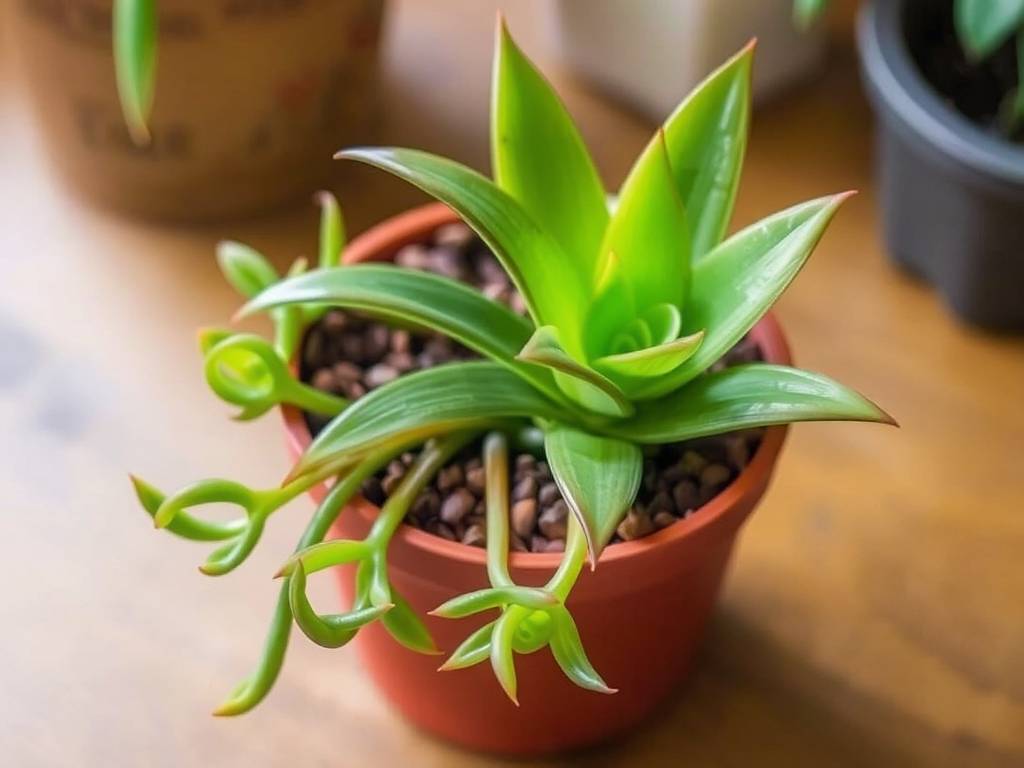
Water thoroughly but gently: Pour water slowly around the base of the plant until it drains out of the pot’s drainage holes. Avoid getting water on the leaves—especially the “window” tops—because standing water can cause leaf rot or sunburn (if water droplets act as magnifying glasses).
Empty saucers immediately: Don’t let the pot sit in water. Empty any excess water from the saucer after 10-15 minutes to prevent roots from sitting in moisture.
Common Watering Mistakes to Avoid
Watering on a schedule: Don’t stick to a strict “once a week” schedule—always check soil dryness first. Humidity, temperature, and pot size all affect how fast soil dries.
Misting the leaves: Misting won’t help Haworthia Cooperi and can lead to fungal issues. Its leaves don’t absorb water through the surface, so save misting for plants that need high humidity (like ferns).
Underwatering for too long: While overwatering is worse, letting the soil stay bone-dry for months will cause leaves to shrink and lose translucency. If this happens, water thoroughly and the plant will usually recover within a few weeks (new growth will look healthier).
3. Soil: Choose a Well-Draining Mix for Healthy Roots
The Best Soil Mix for Indoor Haworthia Cooperi
2 parts cactus/succulent potting mix (avoid regular potting soil—it’s too dense)
1 part perlite (to add air pockets and improve drainage)
1 part coarse sand (like horticultural sand, not beach sand—beach sand has salt that can harm the plant)
Why Soil Matters for Leaf Translucency
4. Potting: Pick the Right Container for Haworthia Cooperi
What to Look for in a Haworthia Cooperi Pot
Drainage holes are a must: Never use a pot without drainage holes—this is the biggest cause of overwatering. If you love a decorative pot without holes, use it as a “cachepot” (place the plastic nursery pot inside, and remove it to water so excess water can drain out).
Material matters: Terra-cotta or ceramic pots with unglazed sides are best. They’re porous, so they absorb excess moisture from the soil, helping it dry faster. Plastic pots are okay too, but they retain moisture longer—if you use plastic, water less frequently and make sure the soil mix is extra well-draining.
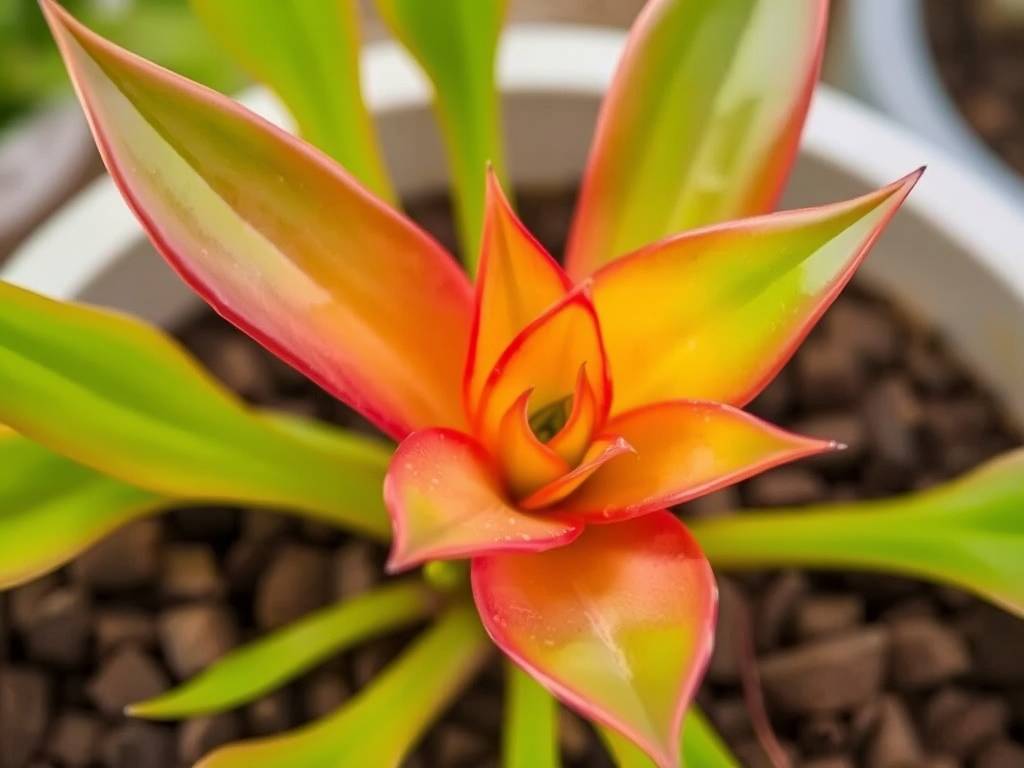
Size: Small is better: Haworthia Cooperi has a shallow root system, so a pot that’s only 1-2 inches wider than the plant’s root ball is perfect. A too-big pot will have too much soil, which stays wet longer and increases the risk of root rot.
When to Repot Haworthia Cooperi
Gently remove the plant from its old pot, brushing off excess soil from the roots.
Check for rotted roots (they’ll be brown, mushy, and smell bad)—trim them off with clean, sharp scissors.
Put a layer of soil mix at the bottom of the new pot, place the plant in the center, and fill in around it with more soil.
Water lightly after repotting (to help the soil settle) and keep the plant in a shaded spot for 1-2 weeks to let roots recover.
5. Temperature and Humidity: Keep It Comfortable
Ideal Temperature Range
Daytime: 65–80°F (18–27°C) – this is the average temperature of most homes, so it’s easy to maintain.
Nighttime: 50–60°F (10–15°C) – a slight drop at night is fine, but don’t let it go below 40°F (4°C). Cold temperatures can damage the leaves, causing them to turn brown or soft.
Humidity Needs
6. Fertilizing: Feed Sparingly for Healthy Growth
When and What to Fertilize
Time: Only fertilize in spring and summer (the growing season). Stop fertilizing in fall and winter, when the plant is dormant—fertilizing during dormancy can cause root burn.
Fertilizer type: Use a diluted, balanced succulent/cactus fertilizer (e.g., 10-10-10 or 20-20-20). Dilute it to half the strength recommended on the package—succulents are sensitive to strong fertilizers.
How often: Feed once every 4–6 weeks. Over-fertilizing will lead to dark, leggy growth and can make leaves lose their translucency.
7. Troubleshooting: Fix Common Haworthia Cooperi Problems
Problem 1: Leaves Turning Brown or White (Sunburn)
Problem 2: Leaves Shriveled or Wrinkled
Problem 3: Leaves Mushy or Yellow (Root Rot)
Problem 4: Leaves Losing Translucency (Dull or Gray)
8. Propagating Haworthia Cooperi (Optional)
Propagating from Leaf Cuttings
Choose a healthy, plump leaf and gently twist it off the mother plant—make sure to get the entire leaf (including the base, where roots grow).
Let the leaf dry for 2–3 days (this forms a callus, which prevents rot).
Place the leaf on top of a well-draining succulent soil mix (don’t bury it—just lay it flat).
Keep the soil slightly moist (mist lightly once a week) and place the cutting in filtered light.
After 4–6 weeks, roots and a small new plant will start to grow. Once the new plant is 1–2 inches tall, you can repot it into its own small pot.
Propagating from Offsets
Look for small offsets (baby plants) growing at the base of the mother plant—they usually have their own small roots.
Gently separate the offset from the mother plant with clean scissors (cut the connecting root if needed).
Let the offset dry for 1 day (to callus the cut area).
Plant the offset in a small pot with succulent soil mix, water lightly, and keep in filtered light. It will grow quickly into a mature plant.
Final Tips for Happy Haworthia Cooperi
Be patient: Haworthia Cooperi grows slowly, so don’t expect big changes overnight. Healthy growth takes time.
Observe your plant: Check it weekly for signs of stress (like discolored leaves or shriveling). The earlier you catch a problem, the easier it is to fix.
Don’t overhandle: The leaves are delicate—too much touching can damage the “window” surface or cause leaves to fall off.