bluename
 How to Care for Anthurium Plants: Fixing Common Issues Like Spathe Wilting and Yellowing Leaves
Understanding Why Anthuriums Have Spathe Wilting or Yellowing Leaves
Fixing Spathe Wilting: Why Your Anthurium’s “Flower” Is Drooping
Cause 1: Underwatering (Dry Soil + Wilting Spathes)
Rehydrate the soil gently: Don’t pour a bucket of water over dry soil—this will run off without being absorbed. Instead, place the pot in a basin filled with room-temperature water (up to ½ the height of the pot) and let it soak for 15-20 minutes. The soil will absorb water slowly, rehydrating the roots.
Let excess water drain: After soaking, lift the pot out of the basin and set it on a towel to drain completely (30 minutes to an hour). Empty any water in the saucer—standing water leads to root rot.
Adjust your watering schedule: Check the soil every 3-4 days. Water only when the top 1-2 inches feel dry. In summer (growing season), you may need to water every 5-7 days; in winter, cut back to 10-14 days.
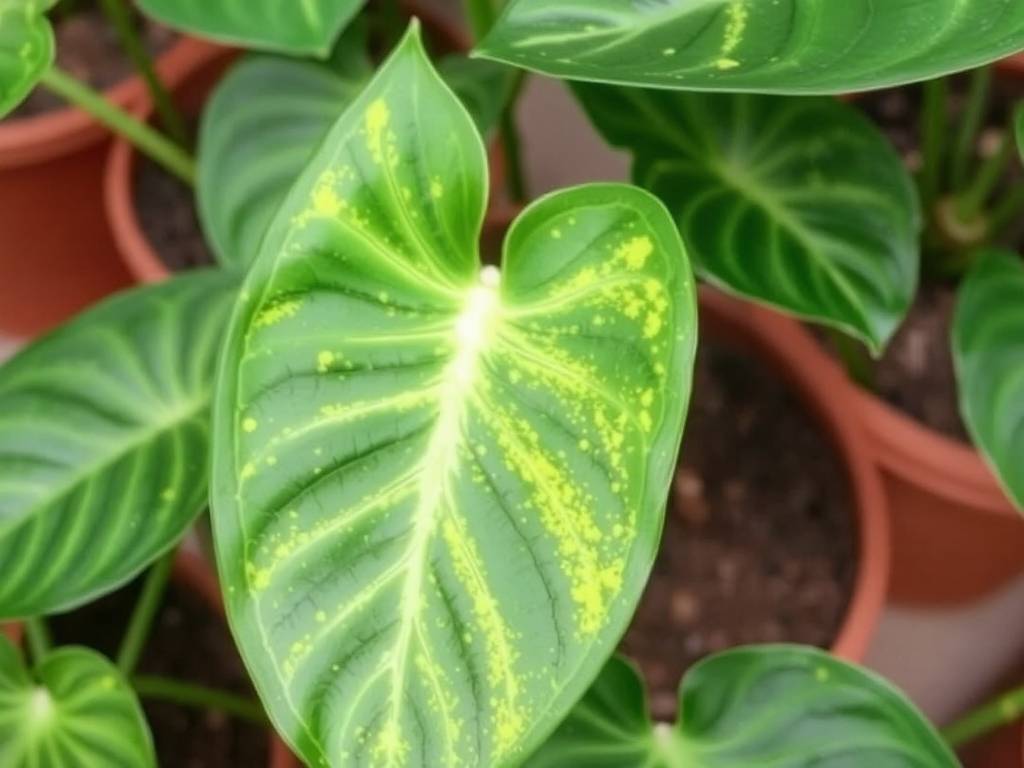
Boost humidity (optional): Dry air can speed up water loss. Mist the spathe and leaves lightly 2-3 times a week, or place a tray of pebbles with water under the pot to add moisture to the air.
Cause 2: Overwatering (Wet Soil + Wilting Spathes)
Stop watering immediately: Let the soil dry out completely—this may take 7-10 days. Check the top 2 inches of soil daily; don’t water until it’s dry.
Improve drainage: If water pools in the saucer, empty it after every watering. If the pot doesn’t have drainage holes, repot the anthurium into a pot that does (terracotta pots are great for drainage).
Check for root rot: Gently remove the plant from its pot. Healthy roots are white/firm; rotted roots are brown/mushy. Trim off all rotted roots with clean, sharp scissors (wipe blades with rubbing alcohol first).
Repot if needed: If more than ½ the roots are rotted, repot the anthurium in fresh, well-draining soil (mix 1 part coco coir, 1 part perlite, 1 part orchid bark). Don’t water for 2-3 days after repotting—let roots heal.
Cause 3: Low Light (Pale Spathes + Wilting)
Move the plant to a brighter spot: Place it near a north or east-facing window—these get gentle morning light or indirect light all day. Avoid south/west windows (direct afternoon sun scorches spathes).
Use a grow light (if needed): If natural light is scarce, use a full-spectrum LED grow light. Hang it 12-18 inches above the plant and set it for 12-14 hours a day. This mimics the bright, indirect light anthuriums love.
Rotate the plant: Turn the pot ¼ turn every 2 weeks so all sides get equal light. This prevents lopsided growth and keeps the spathe healthy.
Solving Yellowing Leaves: Why Your Anthurium’s Foliage Is Losing Color
Cause 1: Natural Aging (Older Leaves Turning Yellow)
Trim the yellow leaf: Use clean scissors to cut the yellow leaf off at the base of its stem. This keeps the plant looking neat and redirects energy to new growth.
Do nothing else: No need to adjust watering or light—your anthurium is healthy! Just keep up with regular care.
Cause 2: Nutrient Deficiency (Yellow Leaves + Pale Growth)
Fertilize lightly: Use a balanced, water-soluble fertilizer (e.g., 10-10-10) diluted to half strength. Fertilize once every 4-6 weeks during spring and summer (growing season).
Avoid overfertilizing: Too much fertilizer burns roots, causing brown leaf tips and more yellowing. Never use full-strength fertilizer, and stop fertilizing in winter (the plant is dormant).
Check soil pH: Anthuriums prefer slightly acidic soil (pH 5.5-6.5). If the soil is too alkaline, nutrients like iron become unavailable, leading to yellow leaves. Use a soil test kit to check pH—if it’s too high, add a small amount of peat moss to lower it.
Cause 3: Pest Infestations (Yellow Spots + Curled Leaves)
Identify the pest:
Aphids: Tiny green/black bugs clustered on leaf stems.
Mealybugs: White, cotton-like bugs on leaf undersides.
Spider mites: Tiny red/brown bugs; look for fine webbing on leaves.
Treat with insecticidal soap: Mix 1 teaspoon of mild liquid soap (e.g., castile soap) with 1 quart of room-temperature water. Spray the leaves (top and bottom) and spathe thoroughly. Repeat every 3-5 days until pests are gone.
Use neem oil (for severe infestations): Neem oil is a natural pesticide. Dilute 1 tablespoon of neem oil with 1 quart of water and spray the plant. Avoid spraying in direct light (it can burn leaves).
Isolate the plant: Keep the infested anthurium away from other plants to prevent pests from spreading.
Cause 4: Temperature Shock (Sudden Yellowing + Wilting)
Move the plant to a stable spot: Place it in a room where temperatures stay between 65-80°F (18-27°C). Avoid spots near vents, windows, or doors.
Protect from cold: In winter, keep the anthurium away from windows that get cold at night. If temperatures drop below 60°F, use a small space heater (3+ feet away from the plant) to keep the area warm.
Water with room-temperature water: Cold water shocks roots. Let tap water sit for 24 hours before using it—this also removes chlorine.
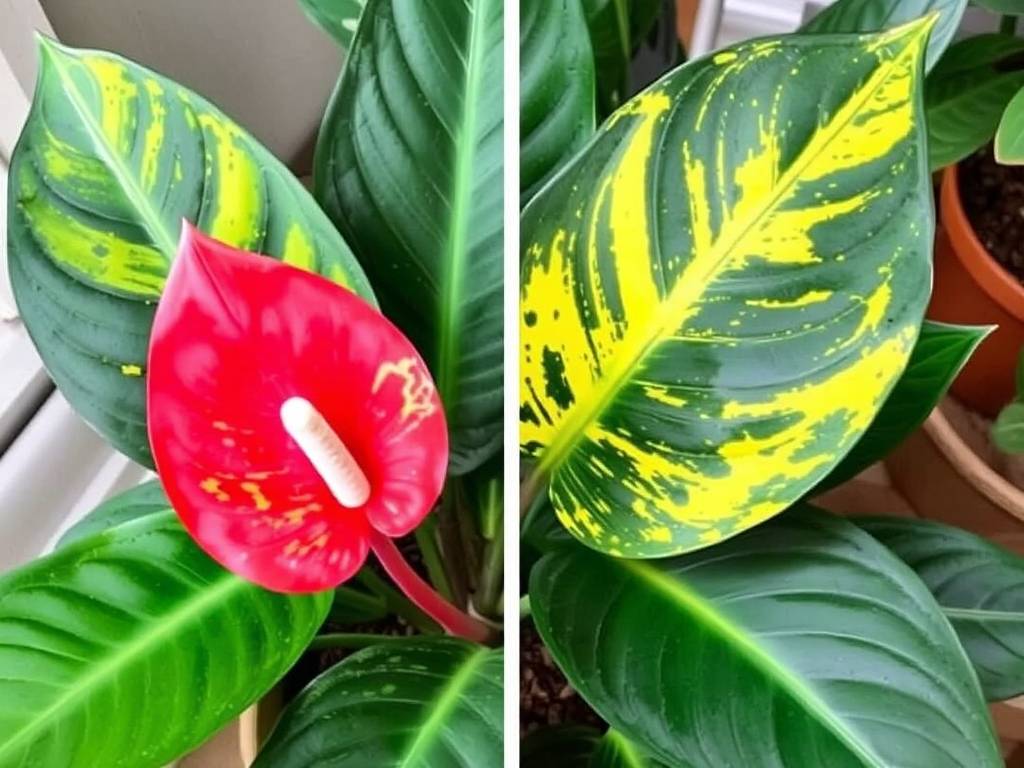
Other Common Anthurium Problems (and How to Fix Them)
Problem 1: Brown Leaf Tips (Crispy Edges)
Boost humidity: Mist leaves 2-3 times a week, use a humidifier, or place a pebble tray under the pot.
Leach the soil: If tap water is the culprit, pour room-temperature water through the soil for 5-10 minutes to flush out excess minerals. Switch to filtered or rainwater for future watering.
Trim brown tips: Cut off the crispy parts with clean scissors—angle the cut to mimic the leaf’s natural shape.
Problem 2: Spathes Turning Green
If it’s low light: Move the plant to a brighter spot (bright, indirect light). The next new spathe should be colorful.
If it’s aging: Trim the green spathe at the base—this encourages new, colorful spathes to grow.
Problem 3: No New Spathes (Blooms)
Increase light: Move to a brighter spot (east/north window or under a grow light).
Fertilize with phosphorus: Use a fertilizer high in phosphorus (e.g., 5-10-5) diluted to half strength—phosphorus promotes blooming. Apply every 4 weeks in spring/summer.
Keep it warm: Ensure temperatures stay above 65°F (18°C)—cold slows down blooming.
How to Prevent Future Anthurium Problems: A Simple Care Routine
Light: Bright, indirect light (north/east window or grow light for 12-14 hours). Avoid direct sun.
Water: Water when top 1-2 inches of soil are dry. Use room-temperature, filtered/rainwater. Empty saucer after watering.
Soil: Well-draining mix (1 part coco coir, 1 part perlite, 1 part orchid bark). Repot every 1-2 years (spring) when roots fill the pot.
Humidity: 50-70% humidity. Mist, use a humidifier, or pebble tray.
Temperature: 65-80°F (18-27°C). Avoid drafts and extreme temps.
Fertilizer: Balanced fertilizer (10-10-10) diluted to half strength, every 4-6 weeks (spring/summer only).
Grooming: Trim yellow leaves/spathes, wipe dust off leaves with a damp cloth every 2 weeks.