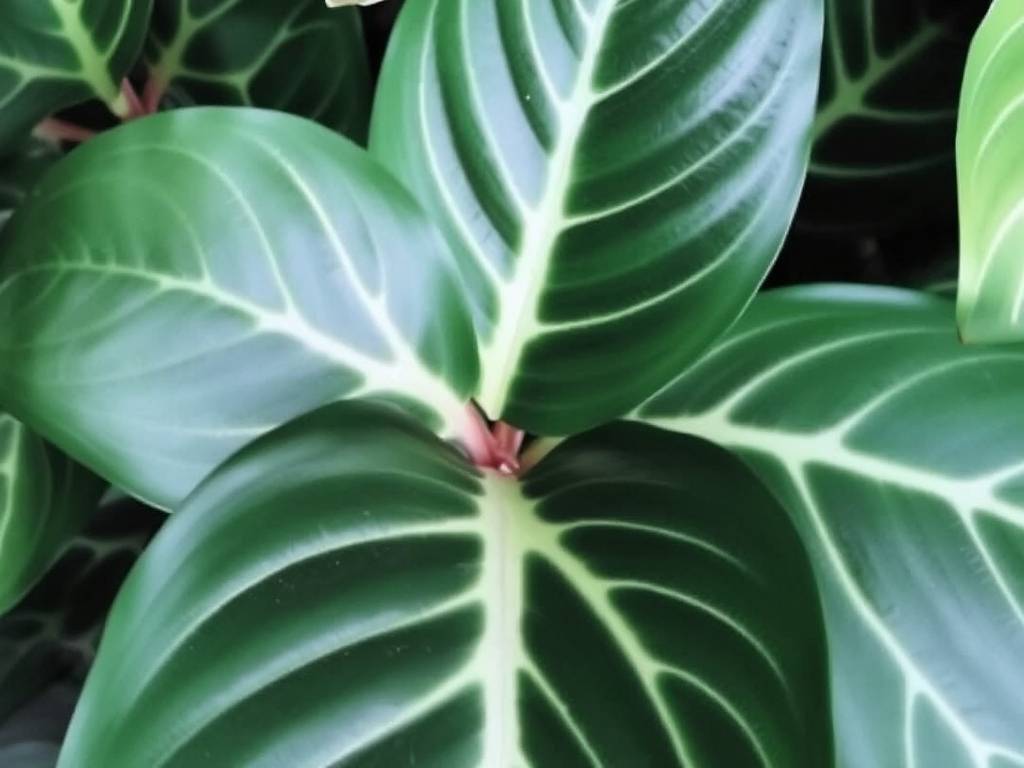
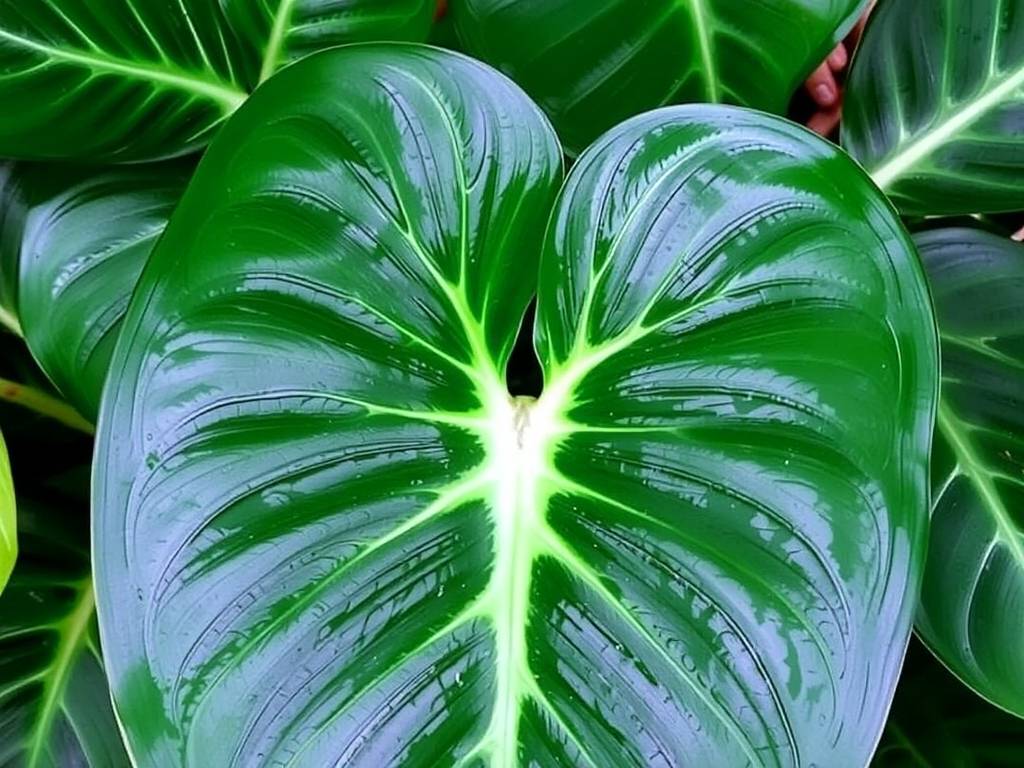
How to Care for Monstera Deliciosa: 7 Key Tips for Wide, Clearly Veined Leaves
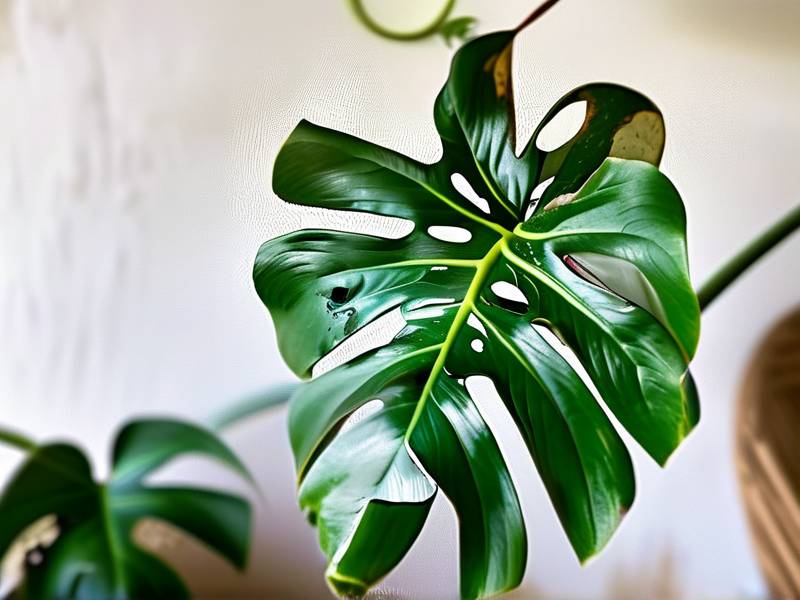
If you’ve ever walked into a cozy home or a trendy café and been drawn to a lush, tropical plant with large, holey leaves, chances are you were looking at a Monstera deliciosa. Also known as the Swiss cheese plant, this popular houseplant is loved for its dramatic foliage—think broad, glossy leaves that can grow over a foot wide—and its ability to add a touch of jungle vibes to any space. But while Monsteras are relatively low-maintenance compared to some other tropical plants, getting their leaves to reach that coveted “wide and clearly veined” state takes a little know-how.
Whether you’re a new Monstera parent struggling with small, lackluster leaves or a seasoned grower looking to boost your plant’s health, these 7 key care tips will help you nurture a thriving Monstera with foliage that stands out. We’ll cover everything from light and water to soil and pruning, so you can address all your Monstera care questions in one place.
1. Give It Bright, Indirect Light—The Foundation of Wide Leaves
Light is the number one factor that determines how your Monstera’s leaves grow. Monsteras are native to the understory of tropical rainforests, where they get dappled sunlight through the canopy—not direct, harsh rays. This means in your home, bright, indirect light is non-negotiable for wide, healthy leaves.
If your Monstera doesn’t get enough light, you’ll notice signs like small new leaves, leggy stems (where the space between leaves is extra wide), and even a lack of those iconic “holes” (called fenestrations) in mature leaves. On the flip side, too much direct sunlight can scorch the leaves, leaving brown, crispy spots that ruin their appearance.
So where’s the sweet spot? Place your Monstera near a north or east-facing window—these directions provide gentle, consistent light without the midday heat. If you only have south or west-facing windows, use a sheer curtain to filter the light, or set the plant a few feet back from the window. Avoid dark corners or hallways, as even a few weeks of low light can slow growth significantly.
Pro tip: Rotate your Monstera every 2-3 weeks. This ensures all sides of the plant get equal light, preventing it from leaning toward the window and promoting balanced, full growth—key for those wide, uniform leaves.
2. Water Smartly—Avoid Root Rot and Keep Leaves Plump
Overwatering is the biggest mistake new Monstera owners make, and it’s a surefire way to kill your plant or stunt leaf growth. Monsteras have thick, aerial roots that store water, so they prefer to dry out a bit between waterings—think “moist, not soggy.”
How do you know when to water? Stick your finger 2-3 inches into the soil. If it feels dry at that depth, it’s time to water. If it’s still damp, wait a few more days. Another trick: Lift the pot. A dry pot will feel much lighter than a wet one—this becomes easier to judge with practice.
When you do water, pour slowly and evenly until water drains out the bottom of the pot. This ensures the entire root ball gets hydrated, not just the top layer. Never let your Monstera sit in a saucer of standing water—this leads to root rot, which shows up as yellow, droopy leaves and a mushy stem. If you notice these signs, repot the plant immediately (more on repotting later) to save the healthy roots.
In the winter, when growth slows down, cut back on watering. Your Monstera will need less moisture when it’s not actively producing new leaves, so check the soil less frequently—maybe every 10-14 days instead of 7-10.
3. Choose the Right Soil—Support Roots for Strong Growth
Soil quality directly impacts how well your Monstera’s roots absorb water and nutrients, which in turn affects leaf size and health. The best soil for Monsteras is well-draining and nutrient-rich—think a mix that mimics the loose, organic soil of their rainforest home.
A good DIY mix is:
Avoid heavy, garden soil or pre-mixed potting soils that contain a lot of moisture-retentive ingredients like vermiculite. These can lead to waterlogged roots and slow growth. If you buy a pre-made mix, look for one labeled “tropical plant mix” or “succulent mix” (just add a bit more peat moss to succulent mix to boost moisture retention slightly).
Pro tip: Add a handful of worm castings or compost to the soil once a year. This natural fertilizer enriches the soil with nutrients that encourage wide, glossy leaves without the risk of chemical burn.
4. Humidity—The Secret to Clearly Veined, Glossy Leaves
Monsteras love humidity—they’re used to the damp air of the rainforest, so dry indoor air (especially in winter, when heaters are on) can cause problems like brown, crispy leaf edges and dull-looking foliage. If you want those clearly defined veins and shiny leaves, keeping humidity levels in check is a must.
Ideally, humidity should be between 50-60% for Monsteras. How do you measure that? A simple digital hygrometer (available at most garden centers or online for \(10-\)20) will tell you the humidity in your space. If it’s below 40%, here are easy ways to boost it:
Pebble tray: Fill a shallow tray with pebbles, add water until it reaches just below the top of the pebbles, and set the Monstera pot on top. As the water evaporates, it adds moisture to the air. Refill the tray when the water dries up.
Group plants together: Plants release moisture through transpiration, so grouping your Monstera with other tropical plants (like pothos, philodendrons, or ferns) creates a microclimate of higher humidity.
You’ll know your Monstera is getting enough humidity if the leaves stay glossy and the edges remain smooth—no brown, crispy bits in sight.
5. Fertilize Moderately—Feed for Leaf Growth (But Don’t Overdo It)
Like all plants, Monsteras need nutrients to grow wide, healthy leaves. But too much fertilizer can burn the roots and damage the plant, so it’s important to fertilize moderately and at the right time.
The best time to fertilize is during the growing season—spring and summer—when your Monstera is actively producing new leaves. In fall and winter, growth slows down, so stop fertilizing altogether.
Choose a balanced, water-soluble fertilizer (like a 10-10-10 or 20-20-20 formula) diluted to half strength. Fertilize every 4-6 weeks—this gives the plant a steady supply of nutrients without overwhelming it. You can also use an organic fertilizer like fish emulsion or seaweed extract, which is gentler on the roots and adds beneficial microbes to the soil.
Signs you’re overfertilizing: Brown tips on leaves, a white crust on the soil surface, or stunted growth. If this happens, flush the soil with water—pour water through the pot until it runs out the bottom— to wash away excess fertilizer.
Signs you’re underfertilizing: Small new leaves, pale green foliage, or slow growth. If you see these, start fertilizing as recommended, and you’ll notice a difference in a few weeks.
6. Repot When Needed—Give Roots Room to Grow
Monsteras are fast growers, and their roots need space to expand. If your Monstera is root-bound (meaning roots are growing out of the drainage holes or circling the bottom of the pot), it won’t have room to absorb water and nutrients, which leads to small leaves and slow growth.
How often should you repot? Young Monsteras (1-3 years old) need repotting every year, while mature plants (4+ years old) can go 2-3 years between repottings. The best time to repot is in spring, right as the growing season starts—this gives the plant time to recover and grow new roots before summer.
Choose a pot that’s 2-3 inches larger in diameter than the current one. Make sure it has drainage holes (this is non-negotiable—no drainage = root rot!). Use the well-draining soil mix we mentioned earlier, and gently loosen the roots before placing the plant in the new pot. Fill in with soil around the roots, and water thoroughly to help the soil settle.
Pro tip: If your Monstera is very tall, add a moss pole or trellis to the new pot. Monsteras are climbing plants, and having something to climb helps them grow upward (instead of sprawling) and produces larger leaves. The aerial roots will attach to the pole, giving the plant extra support.
7. Prune Strategically—Remove Dead Growth and Encourage New Leaves
Pruning isn’t just for keeping your Monstera looking neat—it also helps redirect energy to new growth, which means wider, healthier leaves. The key is to prune strategically, not randomly.
When to prune: Spring or summer, during the growing season. Avoid pruning in winter, when the plant is dormant.
What to prune:
Leggy stems: If your Monstera has long stems with few leaves, cut back the stem to a node (the small bump where a leaf or root grows). New growth will sprout from the node, making the plant bushier and promoting wider leaves.
Overcrowded growth: If the plant is too dense, remove a few of the older stems from the base. This lets more light reach the inner leaves and improves air circulation, which prevents pests and diseases.
Always sanitize your pruning tools before and after use (with rubbing alcohol or bleach) to prevent the spread of disease.
Pro tip: If you want to propagate your Monstera (and grow new plants!), use the stem cuttings from pruning. Make sure each cutting has at least one node and a few leaves, then place it in water or soil. In a few weeks, it will grow roots!
 bluename