bluename
 How to Care for Spiral Lucky Bamboo - Care Tips to Enhance Spiral Shape
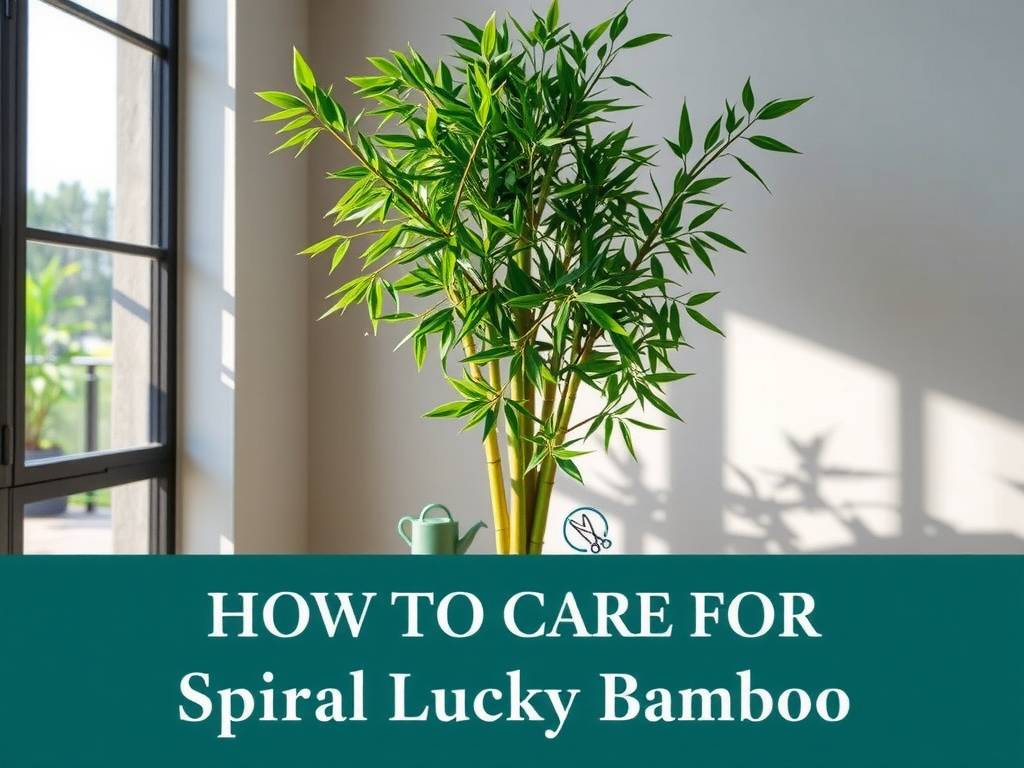
You've brought home a stunning spiral lucky bamboo plant, captivated by its unique, artistic corkscrew form. It's a symbol of good fortune and positive energy. But now, you notice the new growth is coming in straight, or worse, the leaves are turning yellow. The distinctive spiral shape you fell in love with seems at risk. Don't worry, this is a common challenge. Maintaining and enhancing that beautiful spiral requires understanding its origin and providing specific, consistent care. This guide will provide you with expert care tips to enhance spiral shape, ensuring your plant remains a healthy and mesmerizing focal point.
Understanding the Spiral: It's All About Manipulation

First, a crucial fact: the spiral shape is not natural. In their native environment, lucky bamboo (Dracaena sanderiana) grows straight. The mesmerizing spiral is created by skilled growers through a meticulous manipulation process. The young, pliable stalks are placed in rotating tubes or carefully bent over time, forcing them to grow towards light in a controlled pattern. This means your plant's inherent "memory" is to grow straight upwards. Our care focuses on honoring that manipulated form and ensuring the plant's health supports its aesthetic.
Essential Care to Preserve the Spiral Structure
The foundation of a healthy spiral lucky bamboo is no different from a straight one: consistent, appropriate care. A stressed plant will not thrive, and its shape can become less pronounced as it struggles.
Light: The Quiet Director of Growth
Light is the single most important factor in maintaining your plant's shape after the initial manipulation. Lucky bamboo prefers bright, indirect light. Direct sunlight will scorch the leaves, causing brown tips and yellowing. Place your plant near an east or north-facing window. If you only have south or west exposure, use a sheer curtain to diffuse the light. Why does this matter for the spiral? Plants grow phototropically—toward the light. Consistent, indirect light from one primary direction encourages even, upright growth from the current tip, respecting the existing spiral's orientation. Frequently rotating the plant, as you might with others, can actually disrupt the visual continuity of the spiral form.
Water: The Foundation of Health
Water quality is critical. Tap water often contains chlorine, fluoride, and minerals that can cause leaf tip burn and weaken the plant. Use filtered, distilled, or rainwater. If you must use tap water, let it sit uncovered for 24 hours to allow some chemicals to evaporate. For water-grown plants: Always maintain a consistent water level, covering the roots by 1-2 inches. Change the water completely every 7-10 days to prevent bacterial growth and stagnation. Rinse the container and pebbles. For soil-grown plants: Use a well-draining potting mix. Water only when the top inch of soil feels dry to the touch. Ensure the pot has drainage holes to prevent root rot, which is a primary killer.
Temperature and Humidity: Stability is Key
Lucky bamboo enjoys the same temperatures humans do, between 65°F and 90°F (18°C-32°C). Avoid placing it near drafty windows, air conditioning vents, or heating radiators. Sudden temperature fluctuations stress the plant. Moderate humidity is ideal. If your home is very dry, a nearby humidifier or a pebble tray with water can help prevent dry leaf edges.
Advanced Techniques to Enhance and Encourage the Spiral
Once you've mastered the basics, you can employ more active techniques to enhance the spiral shape of your lucky bamboo.
Strategic Pruning for Shape and Density
Pruning is your primary tool for direct intervention. It serves two purposes: encouraging a denser topknot of leaves (which frames the spiral beautifully) and controlling straight new growth. You will need clean, sharp scissors or pruning shears. Wipe them with rubbing alcohol before use to prevent disease transmission. Identify straight shoots: Look for new, straight canes (called "shoots" or "pups") growing from the base or from a node on the main stalk. To maintain the visual focus on the primary spiral, you can remove these at the base. Shaping the crown: If the leafy top becomes leggy or uneven, you can trim the leaves. Cut the leaf stem about an inch from the main stalk. More importantly, you can trim the main stalk itself. To encourage branching and a fuller top, make a clean, horizontal cut about half an inch above a node (the raised ring on the stalk). New growth will emerge from this node, creating a bushier appearance.
The Art of Patience and Rotation
Remember the light discussion? Here’s a nuanced approach. While you shouldn't rotate the plant frequently, a very slow and infrequent rotation (a quarter turn every month or so) can prevent the leafy top from leaning too heavily in one direction, especially if your light source isn't perfectly even. The goal is to keep the foliage balanced without altering the stalk's ingrained spiral path. This is a subtle technique that requires observation.
Support and Training for New Growth
What if you want to create a new spiral or influence a young, straight shoot? It is possible, but requires immense patience. For a flexible new shoot, you can use soft plant ties or wire (covered with foam to prevent damage) to gently bend it into a curve. Secure it to a small stake or frame. The plant must remain in this trained position for several months as it lignifies (becomes woody). This method mimics the commercial process on a small scale and has a variable success rate. The American Horticultural Society's Plant Propagation guide notes that training young, supple growth is always more effective than trying to bend mature stems.
Troubleshooting Common Spiral Bamboo Problems
Even with perfect care, issues can arise. Here’s how to solve them while protecting the shape.
Yellowing Leaves or Stalks
Yellow leaves are the most common alarm. Yellowing at the tips often indicates chemicals in water or low humidity. Yellowing of entire leaves or stalks is more serious. If a stalk turns yellow, it is usually dying. Immediately cut it out with sterile tools to prevent spread. Check the roots for rot (mushy, brown roots). Trim rotten roots and change the water or soil. According to resources from the Royal Horticultural Society (RHS), yellowing can also signal over-fertilization. Lucky bamboo needs very little fertilizer. If you choose to feed, use a single drop of liquid houseplant fertilizer in its water every 2-3 months, and only at half strength.
Straight New Growth from the Spiral
This is the core concern. If the main growing tip of your spiral starts producing straight vertical growth, it's simply following its nature. Solution: Use the pruning technique described above. Cut the straight section off just above the last node on the spiral portion. This will encourage the plant to branch from that point, and you can guide the new growth by ensuring light comes from the direction that follows the spiral's existing curve.
Algae, Pests, and Weak Stalks
Green algae in water containers is unsightly but not directly harmful. It indicates too much light on the roots. Use an opaque container or change water more frequently. Pests like spider mites or mealybugs are rare but possible. Wipe leaves with a soft cloth dipped in a mild soapy water solution. Weak, floppy stalks suggest insufficient light. Move the plant to a brighter (indirect) location to promote stronger, more resilient growth that can better hold its sculpted form.
Frequently Asked Questions
Can I make my straight lucky bamboo grow into a spiral at home? While extremely challenging, it is possible with young, flexible stalks by using the training method with supports and wire. The process requires months of consistent adjustment and patience, as the commercial spiral creation uses specialized equipment over long periods. For most home gardeners, it is more practical to purchase a pre-spiraled plant and focus on maintaining its shape.
What is the best container for a spiral lucky bamboo to show off its shape? A clear glass vase or cylinder is classic, as it displays the elegant stalks and roots. However, an opaque container (ceramic, porcelain) can help prevent algae growth. The key is proportion: choose a container that is tall enough to support the height of the spiral without it toppling over, and heavy enough to act as a stable base. The container should complement, not compete with, the plant's artistic form.
My spiral bamboo's stalk is wrinkled or shriveled. What does this mean? A wrinkled stalk is a serious sign of dehydration or stem rot from the inside. Check the roots immediately. If the roots are white and firm, the plant may be underwatered (in soil) or the water level may be too low (in water). If the roots are brown and mushy, it's root rot. For rot, cut away all soft parts of the stalk above the rot until you see healthy, firm tissue. Re-root the healthy cutting in fresh water. This may mean losing the spiral from that piece, but it can save the plant's life.
Caring for a spiral lucky bamboo is a rewarding practice that blends simple plant husbandry with an appreciation for living sculpture. By providing consistent indirect light, pure water, and stable temperatures, you create the foundation for health. Through mindful pruning and an understanding of phototropism, you actively preserve and enhance its unique corkscrew form. Remember, the spiral is a testament to the grower's art; your care is the stewardship that allows that art to thrive and bring lasting fortune and beauty to your space.