bluename
 How to Care for Variegated Ivy: Mastering Light Control for Clear Variegation
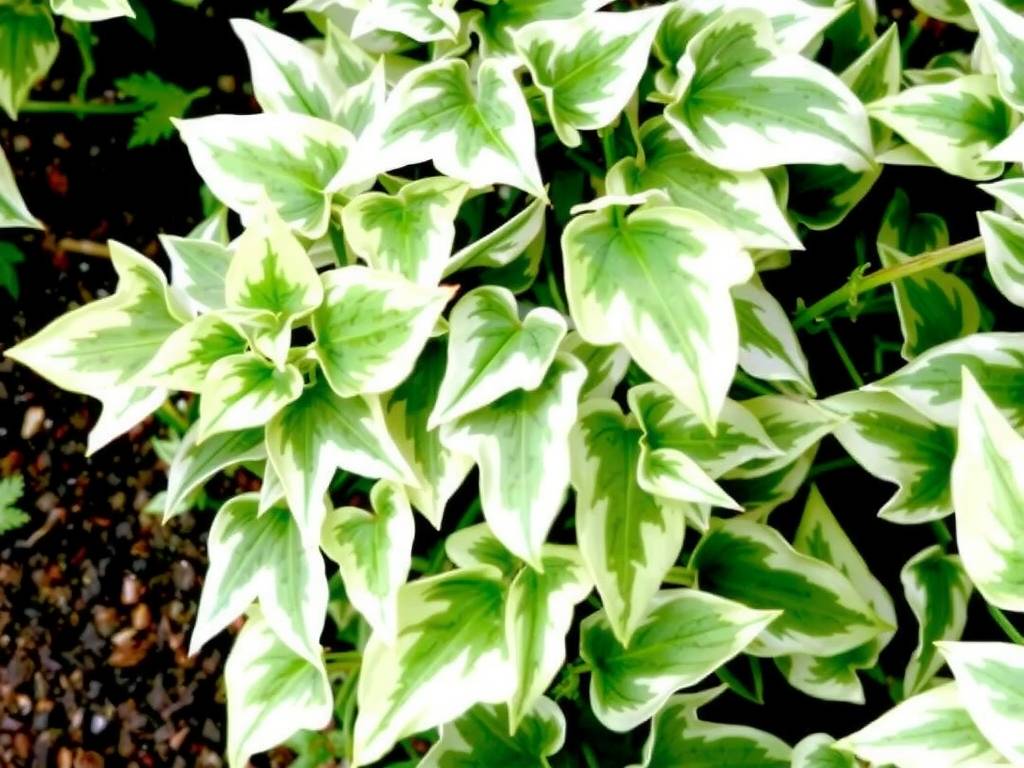
You’ve brought home a stunning variegated ivy, its leaves a beautiful mosaic of green and creamy white. But after a few weeks, you notice something unsettling. The vibrant white and yellow patterns are fading, reverting to solid green. New leaves are smaller, and the plant seems to be stretching awkwardly towards the window. This loss of clear variegation is a common frustration, but the solution isn't a mystery. It all comes down to one critical factor: light. Understanding and mastering light control for clear variegation is the single most important skill for keeping your variegated ivy spectacular.
This guide will provide a comprehensive, step-by-step approach to lighting, ensuring your plant not only survives but thrives with brilliant, defined patterns.
Understanding Variegation: It's All in the Leaves
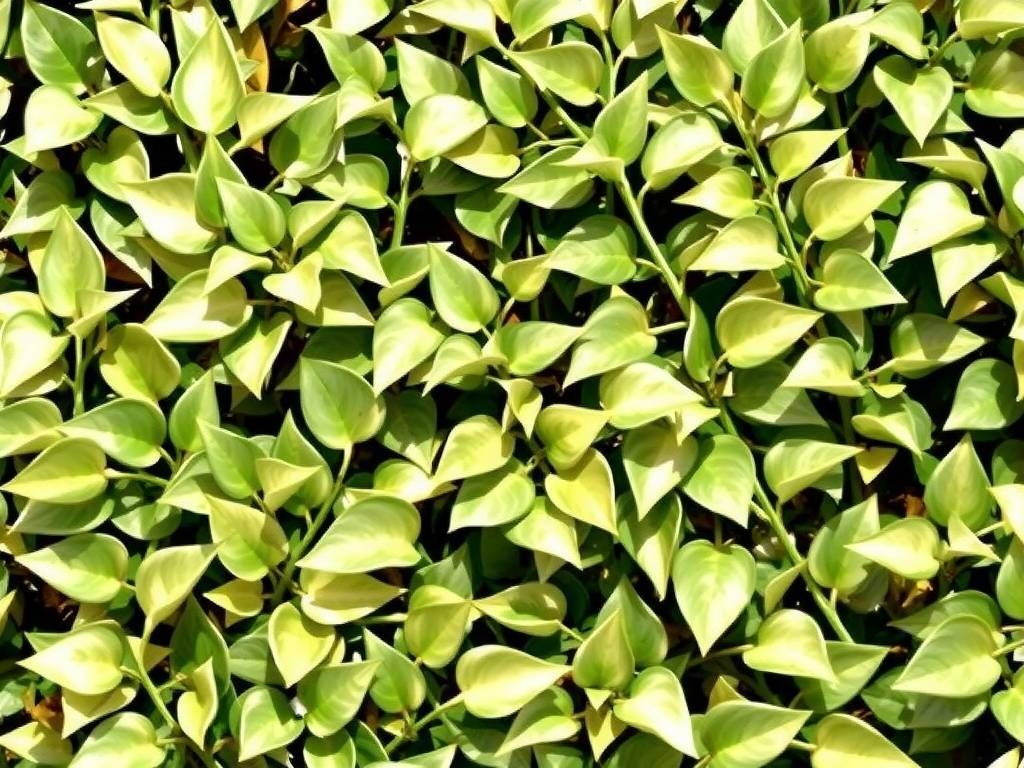
Before we adjust a single curtain, it's crucial to understand what variegation is. Variegation in plants like English ivy (Hedera helix cultivars) is caused by a lack of chlorophyll in certain sections of the leaf. Those beautiful white, cream, or yellow areas cannot produce energy through photosynthesis.
This is a double-edged sword. The green parts must work overtime to sustain the entire leaf and plant. Therefore, variegated ivies are inherently less efficient at photosynthesis than their all-green counterparts. They require more light to produce the same amount of energy, but not just any light. The wrong kind can trigger the plant to revert to solid green as a survival mechanism—a process frustratingly known as "reversion."
The Golden Rule: Bright, Indirect Light
The universal mantra for caring for variegated ivy plants successfully is providing bright, indirect light. This is the non-negotiable foundation. But what does that mean in practice?
Bright, Indirect Light Defined: Imagine a spot in your room where you can read a book comfortably without turning on a lamp for most of the day, but where the sun's rays never directly touch the leaves. This could be:
- Within 3-5 feet of a north-facing window.
- To the side of an east or west-facing window, where it receives gentle morning or late afternoon sun but is shielded during peak intensity.
- Behind a sheer curtain filtering a south-facing window.
Direct sunlight, especially the harsh midday sun, is the enemy of delicate variegated ivy leaves. It can scorch the pale, chlorophyll-deficient areas, causing brown, crispy patches. This damage is permanent and mars the plant's beauty.
A Seasonal Light Guide for Your Ivy
Your plant's light needs aren't static; they change with the seasons. A proactive approach is key to maintaining clear leaf patterns on variegated ivy year-round.
Spring and Summer: The Growth Period This is when your ivy is actively growing. The days are longer and brighter.
- Action: This is the time to ensure it receives consistent, bright indirect light. You may need to pull it slightly back from windows as the sun's angle intensifies. Regularly rotate the pot a quarter turn each week to ensure even growth and prevent the plant from leaning excessively toward the light source.
- Watch For: Signs of too much direct light (leaf scorch) or signs of reversion if the light is too dim (new all-green leaves).
Fall and Winter: The Maintenance Period Sunlight is weaker and days are shorter. The risk of reversion due to low light is highest during these months.
- Action: Move your ivy closer to the brightest window available. A south or west-facing window without a heavy curtain is ideal during winter. The sun's rays are less intense, so a few hours of direct winter sun can be beneficial, not harmful.
- Watch For: Leggy growth (long stems with wide spaces between leaves) and loss of variegation. These are clear cries for more light.
What to Do When Variegation Fades: Troubleshooting Light Issues
If your plant is already showing signs of reversion, don't panic. Follow these steps to correct course.
- Assess the Current Location: Is the plant in a dim corner or several feet from a window? This is the most likely cause.
- Gradually Increase Light Exposure: Abruptly moving a plant from low light to very bright light can shock it. Move it closer to a light source over the course of 7-10 days.
- Prune Reverted Growth: As recommended by the Royal Horticultural Society (RHS), once you have improved the light conditions, prune out any stems that have produced completely green leaves. Cut back to a point on the stem where the leaves show good variegation. This redirects the plant's energy to the variegated growth and prevents the vigorous, all-green shoots from taking over.
- Consider Supplemental Lighting: If your home lacks natural bright light, especially in winter, a grow light is an excellent investment. LED full-spectrum bulbs are energy-efficient and effective. Provide 8-12 hours of supplemental light per day to maintain strong variegation.
Beyond Light: Supporting Factors for Vibrant Variegation
While light is the star, a strong supporting cast ensures the best performance. Proper care in these areas reduces stress on the plant, making it less likely to revert.
Watering Wisely: Variegated ivy prefers consistently moist but never soggy soil. The American Horticultural Society (AHA) emphasizes the "soak and drain" method. Water thoroughly until it runs from the drainage holes, then allow the top 25-50% of the soil to dry out before watering again. Underwatering stresses the plant, while overwatering suffocates roots, both of which can contribute to poor leaf color and drop.
Feeding for Foliage: During the active growing season (spring and summer), feed your ivy monthly with a balanced, water-soluble fertilizer diluted to half strength. Avoid over-fertilizing, especially with high-nitrogen formulas, as this can encourage excessive green growth at the expense of variegation. In fall and winter, cease feeding.
The Right Environment: Moderate humidity (around 40-50%) helps keep leaves perky. Occasional misting or a pebble tray can help, especially in dry, heated homes. Keep your plant away from cold drafts and heating/cooling vents, as sudden temperature fluctuations are a significant stressor.
Common Questions About Variegated Ivy Care
Can a reverted variegated ivy turn back? Once a stem section has produced fully green leaves, those leaves will not regain their white or yellow patterns. The only solution is to prune those stems back to where variegation is present. The new growth from the variegated section, under correct light, should display the proper patterns.
My ivy is getting direct sun and isn't scorched. Is this okay? Some variegated ivy cultivars, like 'Glacier,' can tolerate a bit more direct sun, especially the gentle morning variety. However, prolonged, intense direct sun remains a universal risk. If your plant seems healthy, monitor it closely for any signs of bleaching or browning. It's generally safer to err on the side of bright indirect light.
Are grow lights effective for maintaining variegation? Absolutely. High-quality full-spectrum LED grow lights are a fantastic tool for plant enthusiasts. They provide a consistent light source, eliminating the seasonal struggle. Place the light 6-12 inches above the plant and maintain a regular daily schedule (e.g., 10 hours on). This is often the most reliable way to achieve perfect light control for clear variegation in any home.
Mastering the light needs of your variegated ivy transforms its care from a guessing game into a predictable science. By providing consistent, bright indirect light, adjusting with the seasons, and pruning strategically, you empower your plant to express its full, brilliant potential. The reward is a lush, trailing display of intricately patterned leaves that remains vibrant for years to come. Remember, every leaf tells a story of the light it receives—make sure your plant's story is a bright one.