bluename
 I. Core Cultivation Methods
1. Light Management: "Primarily Diffused Light, Avoid Direct Intense Sunlight"
Suitable Light: Ensure 4-6 hours of diffused light daily. It can be placed by a south- or east-facing window (with a layer of glass to avoid midday intense sunlight, especially from 11 a.m. to 3 p.m. in summer) or near a bright bookshelf or coffee table indoors. With sufficient light, its leaves are thick and its flowers are bright; insufficient light may cause etiolation (slender stems, sparse leaves) or even failure to bloom.
Special Stages: During the flowering period (usually from late October to March of the next year), appropriately extend the light duration (e.g., 1-2 more hours per day, such as placing it under a 15W LED plant fill light for 2 hours in the evening if natural light is insufficient) to prolong blooming. In hot summer (June to August), provide shade (e.g., use a 50% shading rate sunshade net or move it to a shaded corner with diffused light) to prevent leaves from being scorched and turning yellow.
2. Watering Principle: "Drought-Tolerant, Waterlogging-Intolerant; Water Thoroughly Only When Soil Is Dry"
Judging Watering Timing: Observe the potting soil—water only when the surface soil (about 2-3 cm deep) is completely dry and the pot becomes light. For clay pots, you can also tap the pot wall; a crisp sound indicates dry soil, while a dull sound means there is still moisture. Alternatively, touch the leaves; if the bottom leaves are slightly wrinkled, it indicates the plant is short of water.
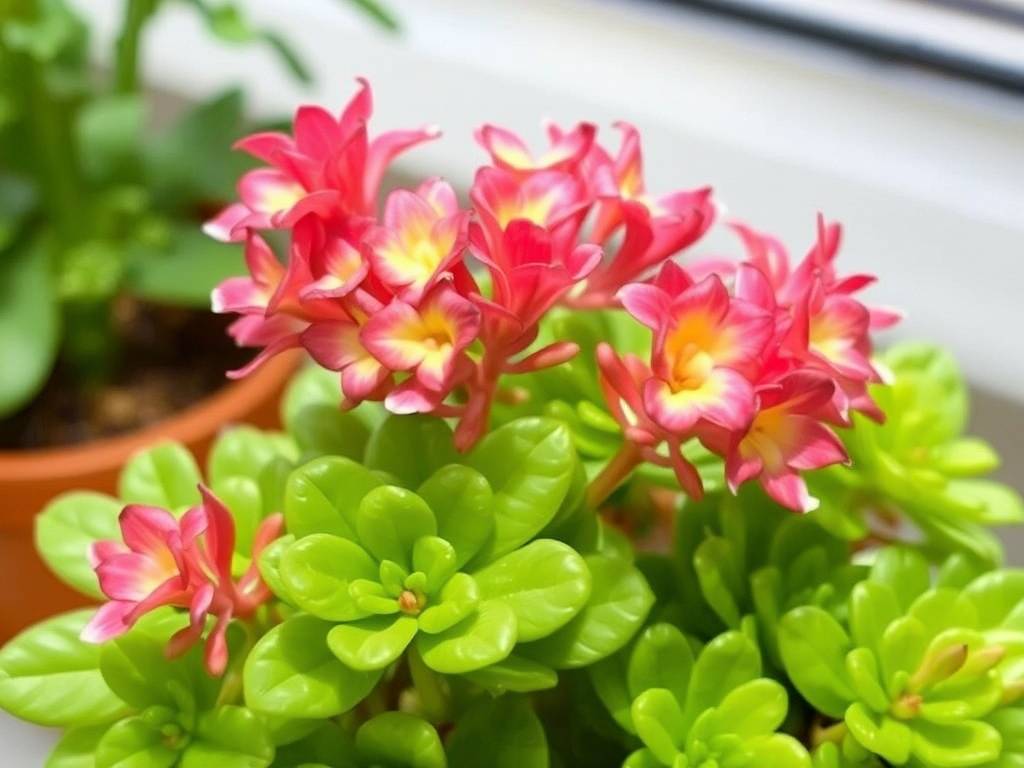
Watering Method: Water slowly along the edge of the pot until water drains out from the bottom. Avoid "half-watering" (only the upper layer of soil is wet while the lower layer is dry). Do not pour water directly on the leaves and flowers, as this may easily cause diseases in high-temperature and high-humidity environments. Choose to water in the morning (9-10 a.m.) in spring and autumn, and in the afternoon (4-5 p.m.) in summer to avoid extreme temperatures affecting root absorption.
Seasonal Adjustments: In the spring and autumn growing seasons (15-25℃), water once every 10-15 days. In hot summer (above 30℃) and cold winter (below 10℃), the plant grows slowly; reduce watering to once every 20-30 days and keep the potting soil slightly dry.
3. Soil Selection: "Loose, Breathable, and Well-Drained"
Scheme 1: Leaf mold (or peat soil) : garden soil : river sand (or perlite) = 3:2:1. Add a small amount of decomposed sheep manure or slow-release fertilizer (e.g., Osmocote, choose the type with a 3-4 month release period) as base fertilizer to improve soil fertility.
Scheme 2: Directly purchase "special soil for succulents" (no additional mixing required), which is suitable for beginners. If the soil becomes compact, replace it with new soil during repotting in spring (late March to early April, when the temperature is stable and there is no risk of late frost) every year to avoid root oxygen deficiency.
4. Fertilization Tips: "Apply Dilute Fertilizer Frequently; Focus on Phosphorus and Potassium Fertilizers During Flowering Period"
Growing Season (Spring and Autumn): Apply a balanced compound fertilizer (e.g., 10-10-10) or diluted liquid fertilizer (e.g., decomposed rice washing water, fermented for 7-10 days and diluted 10 times; Huaduoduo No.1, diluted 1500 times) once every 2-3 weeks. Use half the concentration specified in the instructions to avoid root burn from concentrated fertilizer.
Pre-Flowering Period (September-October in Autumn): Focus on supplementing phosphorus and potassium fertilizers. Apply a potassium dihydrogen phosphate solution (diluted at 1:1000) once every 10-15 days, either by spraying the leaves (focus on the back of leaves for better absorption) or irrigating the roots. Repeat 2-3 times to promote flower bud differentiation and increase the number of flowers.
Flowering Period and Dormant Period: No fertilization is needed during the flowering period (after blooming) to prevent early withering of flowers. Stop fertilization when the temperature exceeds 30℃ in summer (usually July to August) or drops below 10℃ in winter (December to February of the next year), as the plant’s absorption capacity is weak at this time, and fertilization may easily cause fertilizer damage.
5. Temperature Control: "Optimal Temperature 15-25℃; Avoid Low-Temperature Freezing Damage"
Suitable Growth Temperature: 15-25℃. At this temperature, the leaves are green, growth is rapid, and the flowering period can last stably (a single flower can bloom for 1-2 weeks, and the whole plant’s flowering period lasts 2-3 months).
Winter Protection: When the temperature is below 10℃ in winter (usually from late November), move the plant to a warm indoor place (e.g., near a heater or air conditioner vent, but keep it 50 cm away to avoid direct exposure to dry airflow). If the temperature is below 5℃, freezing damage is likely to occur—leaves will become soft and black, and the whole plant may die in severe cases.
Summer Cooling: When the temperature exceeds 30℃ in summer (June to August), move the plant to a well-ventilated and cool place (e.g., near an open window with a screen to prevent pests from entering). Sprinkle water around the pot (do not water the leaves) 1-2 times a week to cool down, and maintain air circulation to prevent root rot caused by stuffiness.
6. Pruning and Repotting: "Promote Branching, Prevent Etiolation; Repot Once a Year"
Daily Pruning: If etiolation (overly long stems) occurs during the growing season (spring and autumn), cut off 1/3 of the top branches with clean pruning shears (disinfected with alcohol in advance) to promote the germination of side branches and make the plant shape more compact. After flowering (usually in late March), promptly cut off the withered flowers and flower stems (cut off 2-3 leaves below the withered flowers) to reduce nutrient consumption and facilitate the next flowering.
Repotting Timing: Repot once a year in spring (March-April, when the temperature is stably above 15℃). Choose a pot 1-2 sizes larger than the original one (with a diameter of 15-20 cm being appropriate; avoid overly large pots to prevent water accumulation in the soil, and prefer terracotta pots with good air permeability). During repotting, prune old and rotten roots (cut off with disinfected scissors), and soak the root system in a 1:1000 carbendazim solution for 10 minutes for disinfection. After repotting, let the plant acclimate for 1 week (place it in diffused light without watering) before normal care.
II. Key Precautions
1. Avoid "Overwatering" and "Water Accumulation in Potting Soil"
2. Avoid "Direct Intense Sunlight" and "Long-Term Lack of Light"
Direct intense sunlight (especially midday in summer, 11 a.m. to 3 p.m.) can cause sunburn spots and withering of leaves. Long-term lack of light (less than 2 hours of diffused light per day) can lead to etiolation of stems, thin leaves, and even failure of flower bud differentiation (only leaves grow, no flowers bloom). Adjust the light position according to the season: close to the south window in winter, 1-2 meters away from the south window in summer.
3. Avoid "Sudden Temperature Changes" and "Frequent Movement" During Flowering Period
4. Pest and Disease Control: "Prevention First, Manual Removal for Small Infestations"
Pests: If a small number of aphids/scale insects are found on the back of leaves or flower stems, directly wipe them off with a cotton swab dipped in 75% alcohol. For severe infestations (more than 10 pests per plant), spray a diluted imidacloprid solution (1:2000) once a week for 2 consecutive times, and avoid spraying during the flowering period to prevent flower damage.
Leaf Spot Disease: Mostly caused by high temperature (above 28℃), high humidity (air humidity above 70%), and water accumulation on leaves. Brown spots (1-3 mm in diameter, with yellow halos around them) appear on the leaves. Promptly remove the infected leaves (put them in a sealed bag and discard, do not throw them in the flower pot to avoid spreading), spray a carbendazim solution (1:1000) once every 7 days for 2-3 times, and enhance ventilation (e.g., place a small fan 1 meter away to circulate air) to avoid water on the leaves.
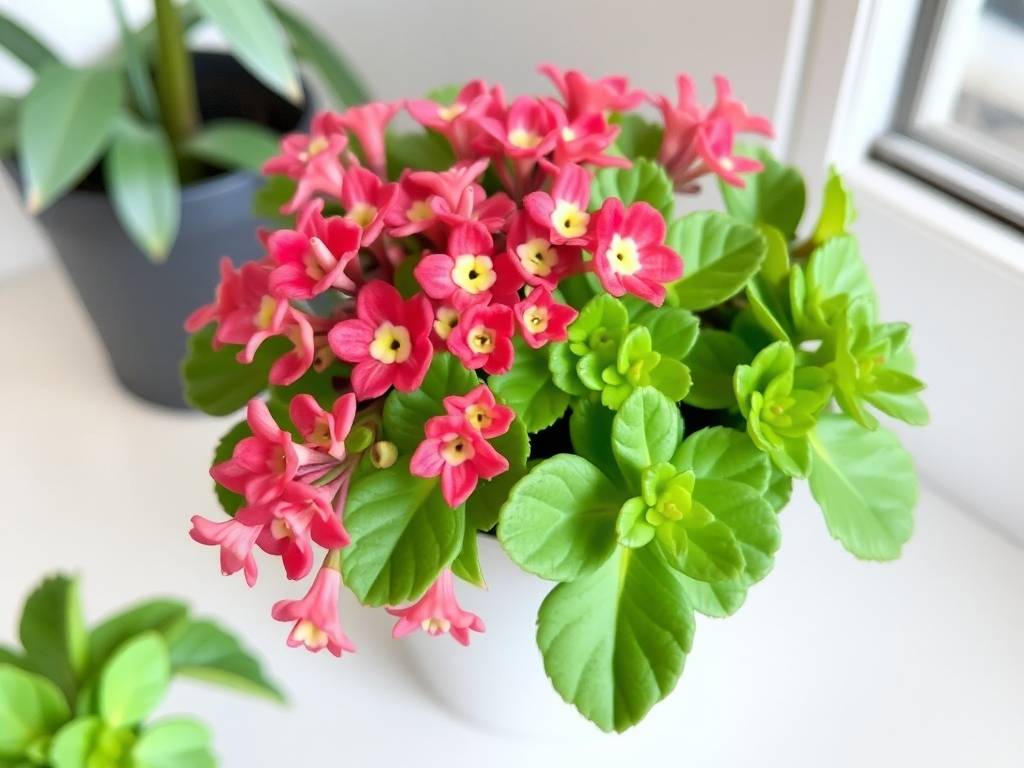
5. Propagation: "Leaf/Stem Cuttings, Easy for Beginners"
Stem Cuttings: Cut healthy side branches (5-8 cm long, with 2-3 pairs of leaves, and no pests or diseases) from the mother plant, dry the wounds for 1-2 days (place in a cool, ventilated place until the cut surface is dry and forms a film), then insert them into moist sandy soil/succulent soil (insert 2-3 cm deep). Place in diffused light, keep the soil slightly moist (spray water once every 3-5 days), and roots will grow in 2-3 weeks. After rooting (new leaves start to grow), transplant into a small pot (diameter 10 cm) for cultivation.
Leaf Cuttings: Pick mature leaves (with intact petioles, no yellowing or damage) from the middle and lower parts of the mother plant, dry the wounds for 2-3 days (until the petiole cut is dry), then lay them flat on the soil surface, with the petioles slightly buried in the soil (about 0.5 cm deep). Keep the soil slightly moist (use a spray bottle to mist the soil surface once every 2-3 days), and small buds and roots will germinate at the base of the leaves in about 1 month. When the small plants grow 2-3 true leaves, transplant them into individual small pots.
6. Different Flower Color Varieties: Minor Adjustments in Care
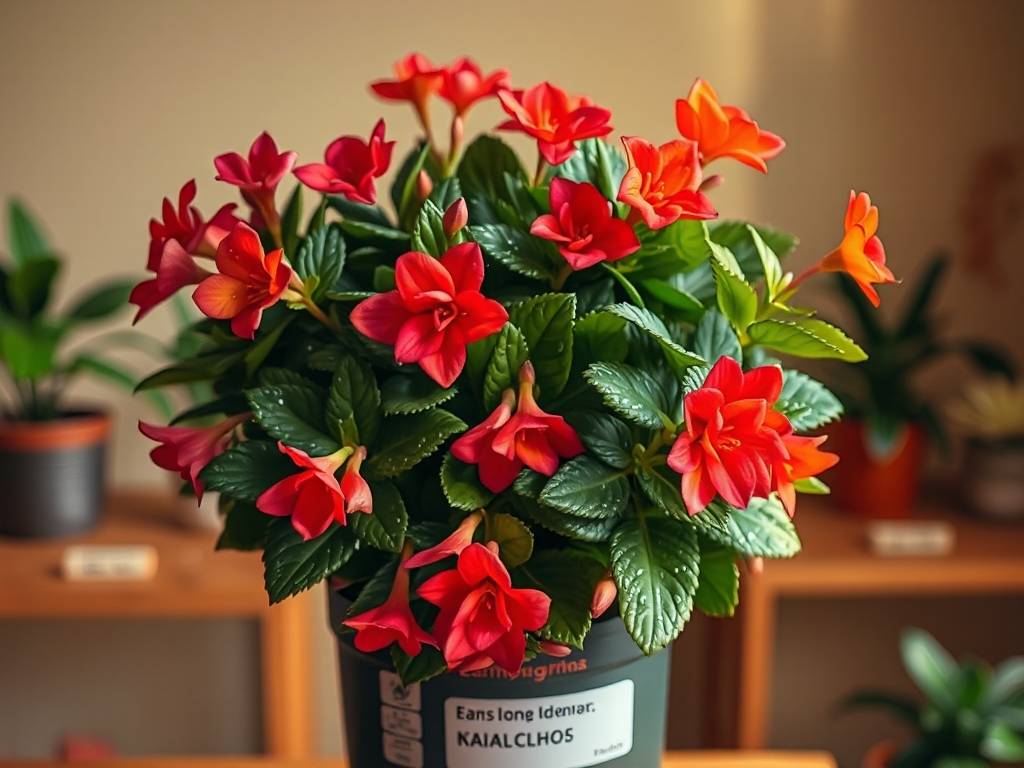
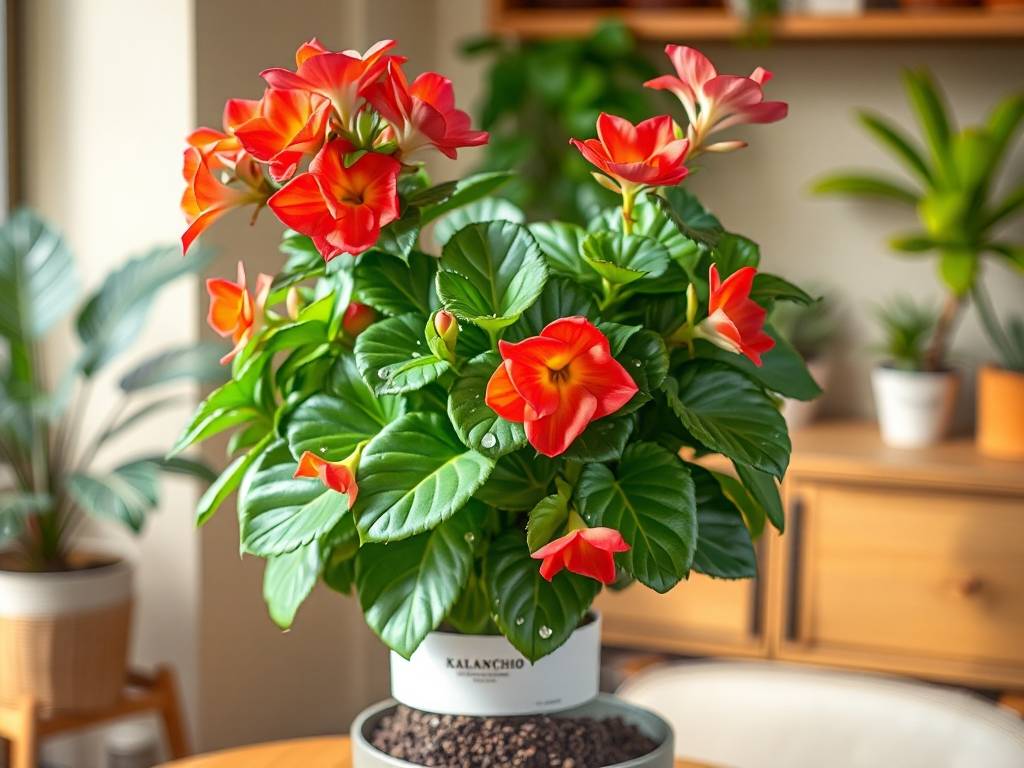
- Kalanchoe has rich flower colors, such as red, yellow, pink, white, and orange. Although the basic care methods are consistent, minor adjustments can be made according to the characteristics of different varieties to make the flowers more vivid:
Deep-color Varieties (Red, Orange): During the pre-flowering period (September-October), appropriately increase the light duration by 30 minutes to 1 hour more than light-color varieties. This helps accumulate more pigments, making the flower color deeper and brighter. At the same time, when applying potassium dihydrogen phosphate solution, the concentration can be slightly adjusted to 1:1100 (slightly lower than the standard 1:1000) to avoid excessive phosphorus and potassium affecting the color stability.
Light-color Varieties (White, Light Pink): Pay more attention to avoiding direct sunlight during the flowering period. If exposed to strong light for a long time, the petals may turn yellow or fade. It is recommended to place them in a location with soft diffused light (such as near an east-facing window with a thin curtain) and maintain a slightly lower temperature (18-22℃) to prolong the flowering period and keep the color fresh.
7. Flowering Period Regulation: Help It Bloom as Scheduled
- If you want Kalanchoe to bloom during a specific period (such as Christmas, New Year), you can adjust the light and temperature in advance for regulation:
Advance Flowering: If you want it to bloom 1-2 months earlier, 2-3 months before the expected flowering period, start to control the light time—ensure 12-14 hours of dark environment every day (such as covering with a black plastic bag from 7 p.m. to 7 a.m. the next day) and 10-12 hours of diffused light during the day. At the same time, maintain the temperature at 18-20℃ and apply potassium dihydrogen phosphate solution once every 10 days. Generally, flower buds will differentiate after 4-6 weeks.
Delay Flowering: If you want to delay the flowering period (e.g., prevent early blooming in autumn), when the temperature drops to 15℃ in early autumn, move the plant to a slightly warmer environment (20-22℃) and reduce the light duration to 8-9 hours a day (place it in a dark cabinet for 1-2 hours in the morning and evening). Stop applying phosphorus and potassium fertilizers and switch to a balanced compound fertilizer (diluted 2000 times) once every 3 weeks to inhibit flower bud differentiation.
8. Post-Flowering Recovery: Lay a Foundation for Next Blooming
- After Kalanchoe blooms (usually in late March), proper recovery care is crucial for its growth and re-flowering in the next year:
Pruning and Shaping: After the flowers wither, not only cut off the withered flower stems but also trim the overgrown and messy branches. For branches that are too long (more than 15 cm), cut them back to 8-10 cm to keep the plant shape compact. At the same time, remove the old, yellow leaves at the bottom to improve ventilation.
Nutrient Supplement: After pruning, apply a balanced compound fertilizer (10-10-10) diluted 1500 times once every 2 weeks for 1-2 months to supplement the nutrients consumed during flowering. In late May, when the temperature rises to 25℃, switch to a fertilizer with higher nitrogen content (such as Huaduoduo No. 10, diluted 1800 times) to promote the growth of new leaves and branches.
Summer Maintenance: In summer (June-August), when the temperature exceeds 30℃, the plant enters a semi-dormant state. At this time, move it to a cool, well-ventilated place (avoid direct sunlight) and reduce watering to once every 25-30 days. Stop fertilizing and spray water around the pot once a week to cool down. Pay attention to checking the soil moisture regularly to prevent the soil from being too dry and causing leaf wilting.
9. Special Environment Adaptation: Care in Apartments and Offices
- For users who raise Kalanchoe in apartments or offices with special environments (such as poor ventilation, insufficient natural light, or air conditioning for a long time), targeted adjustments are needed:
Apartment with Poor Ventilation: Place the plant near a frequently opened window (even if it is a north-facing window, it can get scattered light) and use a small electric fan (set to low speed) to blow air around the plant for 2-3 hours a day (in the morning or evening) to improve air circulation. Reduce watering appropriately (extend the interval by 3-5 days) and add a layer of perlite (1-2 cm thick) on the soil surface to increase soil permeability and prevent root rot.
Office with Air Conditioning: Keep the plant at least 1 meter away from the air conditioning vent to avoid direct blowing of cold or hot air. In winter, when the air conditioning is turned on for a long time, the air is dry. You can place a small plate of water next to the pot (do not let the pot bottom touch the water) to increase the air humidity (maintain 40%-50% humidity). If there is insufficient natural light (less than 3 hours a day), use a 10W LED plant fill light (placed 30-40 cm above the plant) to supplement light for 3-4 hours every evening.
10. Common Problems Troubleshooting: Quick Solutions
- Even with careful care, Kalanchoe may encounter some problems. Here are quick solutions to common issues:
Leaves Turning Red: If the leaves turn red (not due to variety characteristics), it is usually caused by low temperature (below 10℃) or strong light. Move the plant to a warmer environment (15-20℃) and reduce the light intensity (e.g., add a thin curtain in front of the window) to restore the leaves to green.
No New Leaves Growing: If no new leaves grow for a long time (more than 1 month), it may be due to insufficient nutrients or compact soil. Check the soil; if it is compact, repot it with new loose soil. If the soil is loose, apply a balanced compound fertilizer (diluted 1500 times) once every 2 weeks and ensure 4-5 hours of diffused light a day to promote new leaf growth.
Flower Buds Falling Off: In addition to sudden temperature changes and frequent movement, lack of water or excessive fertilization can also cause flower bud falling off. If the soil is dry, water it thoroughly in time (avoid overwatering). If excessive fertilization is suspected, stop fertilizing immediately and water the soil 2-3 times continuously to dilute the fertilizer concentration in the soil.