bluename
 How to Care for Dracaena Fragrans? Warm Light Maintenance Methods
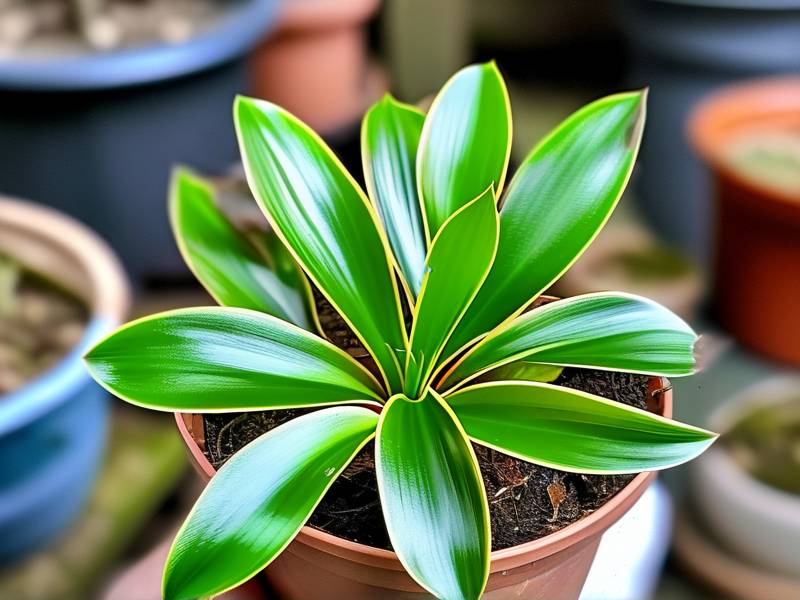
You’ve brought home a beautiful Dracaena fragrans, often called the Corn Plant, with its striking, arching leaves. It promised to be a resilient, air-purifying companion. But now, you notice the vibrant green stripes are fading, the leaf tips are turning brown, and new growth seems slow or nonexistent. The problem likely isn’t neglect, but a misunderstanding of its most fundamental need: the right light. Many plant owners place this adaptable plant in deep shade or harsh direct sun, both of which lead to stress and decline. Mastering the art of providing warm, gentle light is the single most important factor in unlocking the lush, thriving potential of your Dracaena fragrans.
This guide will demystify the light requirements for your Corn Plant, moving beyond vague advice to provide actionable, step-by-step methods. We’ll explore how to find the perfect spot in your home, troubleshoot common light-related issues, and create a holistic care routine that works in harmony with its lighting needs.
Understanding the "Warm Light" Preference of Dracaena Fragrans
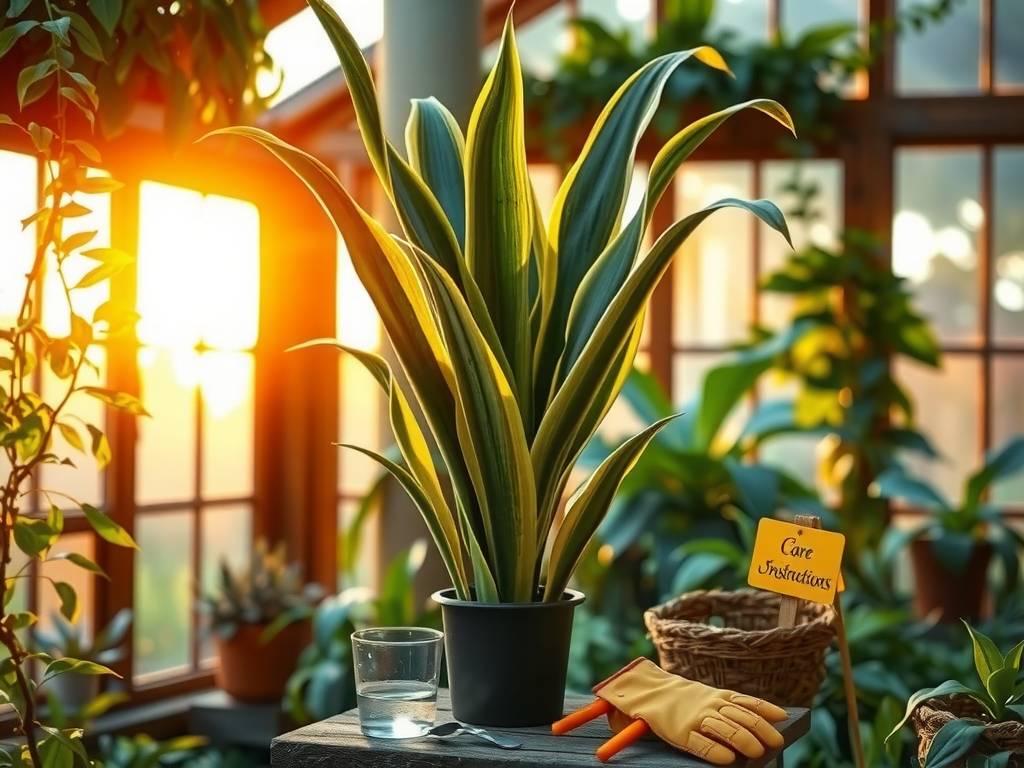
In its native habitats of tropical Africa, Dracaena fragrans grows under the canopy of taller trees. It is adapted to receive bright, but filtered, sunlight—dappled light that is warm and indirect. It does not tolerate the intense, scorching rays of a direct midday sun, which can quickly bleach and burn its leaves, causing irreversible damage. Conversely, a dark corner deprives it of the energy needed for photosynthesis, leading to leggy growth, smaller new leaves, and loss of the characteristic variegation in striped varieties.
"Warm light" in indoor gardening terms refers to bright, indirect light that is abundant but softened. Think of the light in a room where the sun shines through a sheer curtain, or a spot a few feet back from a south- or west-facing window. This type of light provides the full spectrum of energy the plant craves without the damaging heat intensity.
Step-by-Step: Finding and Creating the Ideal Light Environment
Your first task is to become a light detective in your own home. The direction your windows face is the primary determinant of light quality.
South-Facing Windows: These offer the most intense light. Place your Dracaena fragrans 5 to 8 feet away from the window, or use a sheer curtain to diffuse the direct rays. A spot to the side of the window is often perfect. West-Facing Windows: They provide strong afternoon sun, which can be quite hot. Similar rules apply: use filtering or set the plant back from the windowpane. East-Facing Windows: These are often ideal, offering gentle morning sun followed by bright indirect light for the rest of the day. Your plant can sit closer to these windows. North-Facing Windows: These provide low light. While some Dracaena varieties can survive here, they will not thrive. You will need to supplement with a grow light for healthy growth.
Don’t guess—test. Use the "shadow test." On a sunny day, hold your hand where you plan to place the plant. A crisp, well-defined shadow indicates direct light. A soft, fuzzy shadow signifies bright indirect light—the sweet spot. A very faint shadow means low light.
What if your home lacks naturally bright spots? Modern full-spectrum LED grow lights are a fantastic solution. Choose a bulb that emits white or warm-white light (around 3000K-4000K color temperature) to mimic natural sunlight. Position the light 12-24 inches above the plant and run it for 10-12 hours a day using a timer. A 2019 study by the University of Florida IFAS Extension on foliage plants confirmed that supplemental LED lighting can effectively maintain growth and coloration in low-light interiors.
Complementary Care: Watering, Feeding, and Maintenance in the Right Light
Light doesn’t work in isolation; it directly influences every other aspect of care. A Dracaena fragrans in bright, warm light will use water more quickly than one in low light. Therefore, your watering schedule must be dictated by light exposure, not the calendar.
The Watering Link: Always check the soil moisture before watering. Insert your finger about 2 inches into the potting mix. If it feels dry, it’s time to water thoroughly until it runs out the drainage holes. In a bright, warm light spot, this may be every 7-10 days. In lower light, it could be every 2-3 weeks. Overwatering in low light is the fastest route to root rot. Fertilizing for Growth: Feed your plant only during its active growing season (spring and summer). Use a balanced, water-soluble fertilizer diluted to half-strength, and apply it every 4-6 weeks. As noted by horticulturist and author Jane Perrone in her book "Houseplant Hero," Dracaenas are light feeders and are sensitive to salt buildup, so less is more. Do not fertilize in fall and winter when light levels and growth slow down. Routine Maintenance: Regularly wipe the long leaves with a damp cloth to remove dust, which can block precious light. Rotate the pot a quarter turn every time you water to ensure all sides receive even light and prevent lopsided growth. Prune any brown leaf tips or yellowing leaves at the base of the leaf blade to keep the plant looking tidy and to redirect energy to healthy growth.
Troubleshooting Light-Related Problems
Even with good intentions, problems can arise. Here’s how to diagnose and fix light-related issues:
Pale or Faded Leaves: This is a classic sign of too much direct sunlight. The chlorophyll is being damaged. Immediately move the plant to a location with bright, indirect light. The new growth will return to its proper color, though sun-bleached leaves will not recover. Leggy Growth and Small New Leaves: If the stems are becoming elongated with wide spaces between leaves and new leaves are stunted, your plant is stretching desperately for more light. Relocate it to a brighter location or introduce a grow light. Brown, Crispy Leaf Tips: While often linked to low humidity or fluoride in water, this can also occur if the plant is in a hot, sunny spot where soil dries out too rapidly or the leaves are getting scorched. Check both light exposure and humidity levels.
My Dracaena fragrans leaves are developing brown spots in the center, not just the tips. What’s wrong? This is typically not a light issue but a sign of overwatering or a fungal problem, often exacerbated by cool, wet soil conditions. Ensure the plant is in a pot with drainage holes, cut back on watering immediately, and allow the soil to dry out more thoroughly between waterings. Check that it’s not in a cold draft.
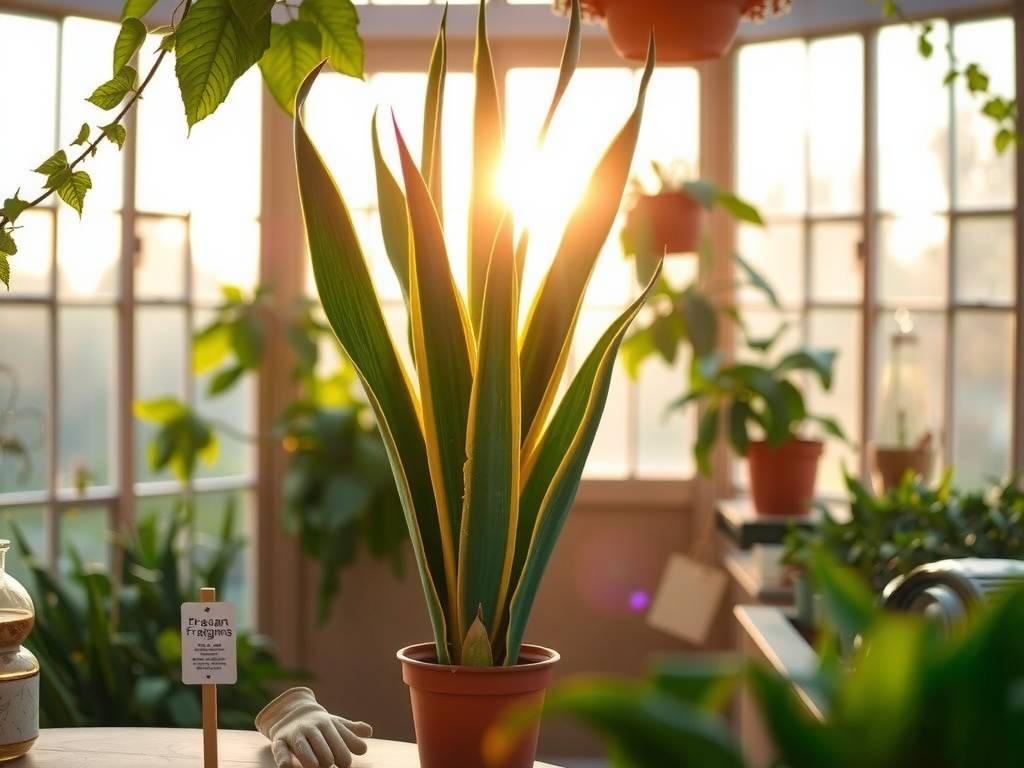
Can I put my Corn Plant outside in the summer? Yes, but the transition must be gradual. Start by placing it in full, deep shade outdoors for a week, then slowly move it to a spot with dappled shade, similar to its native understory habitat. Never place it in direct outdoor sun, which is far more intense than indoor light. Always bring it back inside before nighttime temperatures drop below 55°F (13°C).
How do I know if my grow light is strong enough? Observe the plant over 4-6 weeks. If growth remains stunted or leaves continue to fade, the light may be too weak or too far away. Consider a stronger bulb or moving the light closer (while ensuring it doesn’t burn the leaves). A light meter app can give you a rough estimate; aim for a minimum of 100 foot-candles at the plant’s leaves for survival, and 250-500 for thriving growth.
Caring for your Dracaena fragrans successfully hinges on replicating the warm, filtered light of its natural home. By carefully selecting its placement—whether near a filtered east-facing window or under the gentle glow of a grow light—you provide the essential energy it needs. This foundational step then informs a balanced routine of mindful watering, light feeding, and simple maintenance. Pay close attention to the signals your plant sends through its leaves; they are the best guide to its well-being. With patience and these warm light maintenance methods, your Corn Plant will reward you with years of robust, elegant growth and vibrant foliage, transforming from a mere houseplant into a thriving centerpiece of your indoor garden.