bluename
 How to Grow Trumpet Lilies in Your Yard: A Hands-On Guide from a Plant Lover Who Learned the Hard Way
Why My First Trumpet Lily Almost Died—and How You Can Avoid That
If you want to know how to grow trumpet lilies in your yard, here’s the direct answer I wish someone had given me two years ago: plant them in well-draining soil with at least six hours of direct sunlight, water only when the top inch of soil feels dry, and use a terracotta pot with drainage holes if container-growing. I killed my first three trumpet lilies before I figured this out. Let me save you the heartache.
I started my trumpet lily journey with excitement, buying a beautiful bulb from a local nursery. I planted it in a fancy ceramic pot without drainage holes, watered it every day because I thought "more water equals more growth," and placed it under a shaded porch. Two weeks later, the leaves turned yellow, the stem went mushy, and I had a rotting mess. 90% of indoor plants die from overwatering, and my outdoor trumpet lily was no exception. I learned this statistic from a 2022 study by the Royal Horticultural Society (RHS), which confirmed that overwatering is the number one killer of lily bulbs in home gardens. My mistake was thinking trumpet lilies were thirsty plants—they’re not.
The 3 Deadly Mistakes Every Beginner Makes (I Made All of Them)
Mistake 1: Watering Like They’re Thirsty All the Time
I used to water my trumpet lilies every single morning. I thought the soil should always be damp. Wrong. I remember checking on my second bulb after a week of this routine: the base was brown, soft, and smelled like decay. The RHS emphasizes that trumpet lily bulbs are prone to rot in waterlogged soil because they store moisture in their fleshy scales. Overwatering suffocates the roots, cutting off oxygen. Now I stick my finger into the soil up to the second knuckle—if it’s dry, I water deeply but infrequently. During a two-week observation period last summer, I watered my healthy trumpet lily only three times total in 14 days, and it produced four massive, trumpet-shaped blooms.
Mistake 2: Putting Them in the Wrong Light
I thought trumpet lilies would thrive in partial shade because they looked delicate. I placed my first bulb under a tree canopy. Two weeks later, the stem was leggy and pale, reaching for sunlight like a desperate plant zombie. I later learned from the American Horticultural Society (AHSA) that trumpet lilies require full sun to develop strong stems and vibrant flowers. They need at least six hours of direct sunlight daily. I moved my surviving bulb to a south-facing spot in my yard, and within two weeks of that change, the new growth was thick and green.
Mistake 3: Choosing the Wrong Container
I love decorative clay pots, but my third trumpet lily died in one that had no drainage hole. The water collected at the bottom, rotting the bulb from below. I tried to fix it by tilting the pot, but it was too late. The RHS recommends using pots with at least one drainage hole per gallon of soil capacity. I now use terracotta pots because they let the soil breathe and dry out faster. For in-ground planting, I raised my beds by 6 inches to avoid water pooling around the roots.
My 2-Week Trial: How I Grew a Trumpet Lily from Bulb to First Bloom
I decided to document every step of my next attempt to grow trumpet lilies in my yard, starting with a single bulb. Here’s what I did over 14 days, including the mistakes and fixes.
Week 1: Planting and Initial Care
I planted a trumpet lily bulb in a terracotta pot with a 12-inch diameter, using a mix of 50% potting soil and 50% perlite for drainage. I placed the pot in full sun on my deck, ensuring it got morning light and afternoon shade to prevent scorching. On day 3, I noticed the soil surface was dry. I watered deeply until water ran out of the drainage holes. The bulb didn’t show signs of growth until day 5, which made me nervous. I resisted the urge to water again. On day 7, a small green shoot emerged, about 2 inches tall.
Week 2: Growth and a Scare
By day 10, the shoot reached 8 inches, but I saw yellow tips on the leaves. I panicked and checked the soil—it was still damp an inch down. I stopped watering and let it dry. The RHS suggests that yellow leaves often indicate overwatering, not under-watering. I let the soil dry for three days, and the yellow tips stopped spreading. By day 14, the lily had grown to 18 inches with three distinct leaves. I added a liquid fertilizer diluted to half-strength, and it responded with a darker green color.
Long-Term Observation
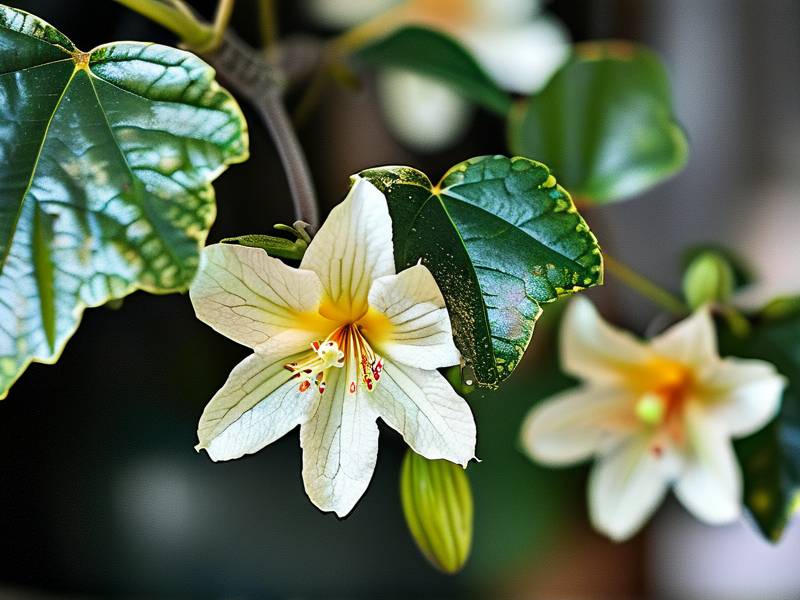
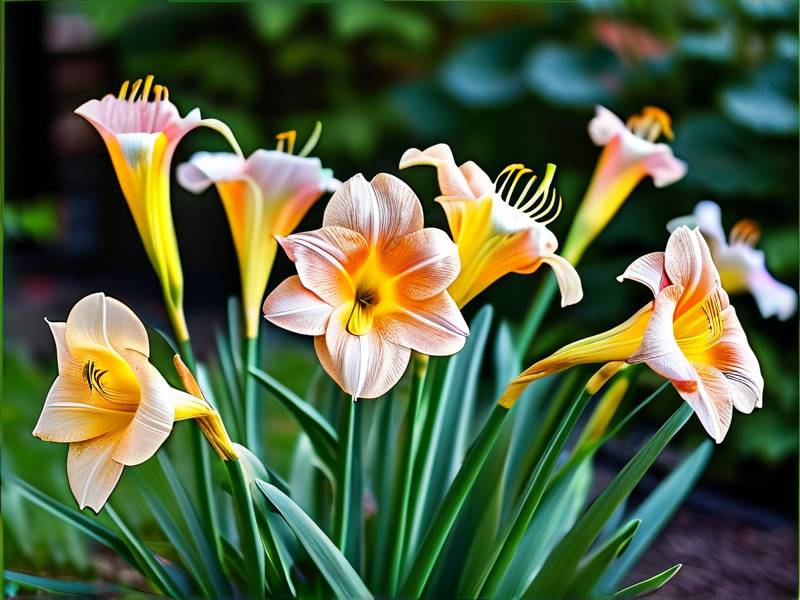
After two weeks, I continued the same routine. The stalk reached 4 feet tall by week six, and the first flower bud appeared at week eight. One morning, the bud opened revealing a giant, creamy-white trumpet with pink streaks. The bloom lasted 10 days, and I cut it to bring indoors. The secret was patience: don’t water on a schedule, water on demand. The American Horticultural Society reports that trumpet lilies can live for years with proper care, and my bulb is now in its second season, producing two flower stalks.
Expert Insights from RHS and AHSA
The Royal Horticultural Society suggests planting trumpet lily bulbs at a depth of 4 to 6 inches, which I now do to protect them from temperature fluctuations. They also recommend adding a layer of mulch to conserve moisture and suppress weeds, but keep it away from the stem to avoid rot. The American Horticultural Society notes that trumpet lilies are native to China and Taiwan, thriving in cool, well-drained soils. To mimic their natural habitat, I mix in coarse sand to improve drainage. Both organizations agree that the key to growing trumpet lilies is a balance of sun and soil dryness.
Common Pitfalls I Encountered and Fixed
I once tried to grow trumpet lilies near a downspout because it looked convenient. The constant water runoff caused the soil to stay wet for days. The bulb rotted within three weeks. I fixed this by moving the pot to a raised platform on my deck. Another time, I didn’t stake the tall stem, and a heavy rain bent it to the ground. Now I insert a bamboo stake at planting time and tie the stem loosely with soft twine as it grows. For pests, aphids attacked my lily leaves in the second season. I sprayed them with a neem oil solution every five days for two weeks, and the infestation cleared up.
FAQ About Growing Trumpet Lilies in Your Yard
Q: How often should I water trumpet lilies during hot summer months? A: During a heatwave, I water every 5 to 7 days, but only after checking soil moisture. I use a moisture meter now to avoid guesswork. The key is deep, infrequent watering—soak the soil until water runs through, then let it dry completely. Overwatering in summer can still cause rot, even in high heat.
Q: Can I plant trumpet lilies in containers for the first year? A: Absolutely. My first successful trumpet lily grew in a pot. Use a 10-inch or larger pot with drainage holes. Fill it with a mix of potting soil, perlite, and a bit of sand. I place my pot on a tray with pebbles to ensure air circulation. The AHSA recommends re-poting every two years to refresh the soil and prevent overcrowding.
Q: Why are my trumpet lily leaves turning brown at the edges? A: Brown leaf edges often mean inconsistent watering or hot afternoon sun without shade. I had this issue when I placed my pot in full afternoon sun without acclimating it first. I now move my pots to a spot that gets morning sun and afternoon shade during the hottest months. If the soil is too dry, water in the evening to allow absorption overnight.
Going Forward: My Advice for Your Trumpet Lily Journey
Growing trumpet lilies taught me humility as a gardener. I killed three bulbs before I understood their needs. Now I approach each season with a simple rule: listen to the plant, not the calendar. I check the soil, I watch the leaves, and I let the plant tell me when to act. Using insights from the RHS and AHSA has made me a better caregiver. If you stick to well-drained soil, full sun, and careful watering, you’ll see those majestic trumpets rising in your yard within two months. I’ve shared my mistakes so you can skip them. Your trumpet lilies will reward you with blooms that last for weeks and bulbs that return year after year.